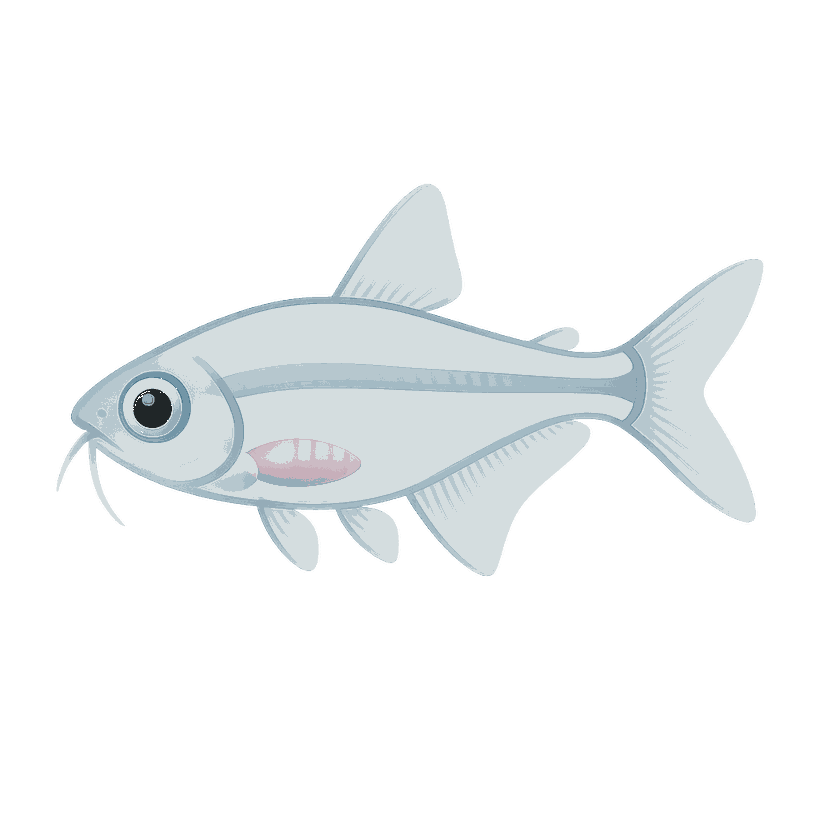
Zebra Danio
Our Colorful Fish - Quick, Energetic, and Vibrant (+Our First-Hand Experience with Breeding)
summarizeEditor's Summary
I'm still pinching myself after getting an aquarium for my birthday - it's been a wild ride! With my allergies, I thought I'd never have a pet, but these fish have been a total game changer. The variety of colors and species is insane, and they're so easy to care for. However, I did have some issues with low-quality food that almost wiped out my entire tank. Thankfully, I learned from my mistakes and was able to nurse the fish back to health. If you're thinking of getting an aquarium, I'd say go for it - just be sure to do your research and invest in some quality food.


settingsSpecifications
live_helpFeatured FAQ
What kind of fish are best for beginners?
I'd recommend starting with some of the more hardy species like scalars, fin-nippers, and danios. They're relatively easy to care for and can thrive in a well-maintained tank.
How often should I feed my fish?
It's best to feed your fish 2-3 times a day, only as much as they can consume within a few minutes. Overfeeding can lead to water quality issues and stressed fish.
What's the best way to introduce new fish to my tank?
It's best to introduce new fish slowly and under close observation. Start by acclimating them to the tank water temperature and chemistry before adding them to the main tank.
How can I prevent fin rot in my fish?
Fin rot is often caused by poor water quality or bacterial infections. Make sure to change your tank water regularly and provide a balanced diet for your fish.
What's the best way to care for my aquarium?
Regular water changes, a balanced diet, and plenty of hiding places for your fish to relax will keep your tank thriving.
Can I keep multiple species of fish in the same tank?
Yes, but make sure to research compatibility and introduce them slowly to prevent conflicts.
How often should I clean my tank?
It's best to clean your tank at least once a week, removing any debris or waste that's accumulated.
What's the best way to handle fish that are stressed or injured?
It's best to handle stressed or injured fish gently and carefully, avoiding any sudden movements or handling that can cause further stress.
Can I use tap water in my aquarium?
It's best to use dechlorinated water or a water conditioner to remove any impurities or chemicals that can harm your fish.
How can I prevent algae growth in my tank?
Regular water changes, a balanced diet, and plenty of hiding places for your fish to relax will help prevent algae growth.
What's the best way to monitor my tank's water quality?
Use a water test kit to monitor water parameters like pH, ammonia, and nitrite levels.
check_circlePros
- •The fish are incredibly active and full of energy, making them a joy to watch.
- •Their vibrant colors are truly one-of-a-kind, with a range of blues, greens, pinks, oranges, yellows, and more.
- •They're super easy to care for, even for a beginner like me.
- •The variety of species is amazing, with something new to discover every day.
- •They're not too big, so I can keep a whole school in my tank.
- •They're not high-maintenance, so I don't have to break the bank to keep them happy.
- •I love watching them swim and play together.
- •They're really good for my mental health - it's so relaxing to watch them.
cancelCons
- •I did have some issues with low-quality food that almost wiped out my tank.
- •The fish can be sensitive to changes in their environment, so you've got to be careful when introducing new food or decorations.
- •Some of the fish are more prone to fin rot than others, so you've got to keep an eye out for that.
- •I had to do some research to figure out what was going on with my tank, so be prepared to learn and adapt.
- •Some of the species can be a bit more aggressive than others, so you've got to be careful when introducing new fish.
- •I had to replace some of the fish that didn't make it, which was a bummer.