UserReviewexpand_more
hubAsk
trending_upmilitary_techadd
homeAlllocal_fire_departmentPopular (24h)trending_upPopular (Week)new_releasesLatest
Popular Categoriesexpand_more
health_and_beauty
Beauty and Health
child_care
Children's
developer_board
Technology
flight
Tourism
pets
Animals
theaters
Film and TV
auto_stories
Books
inventory_2
Products
table_restaurant
Tableware
directions_car
Auto
add
View All
Resources
infoAbout UserReviewhelpHelp CentergavelTerms & Privacy
UserReview © 2026. All rights reserved.
UserReview

The most trusted review platform. We help you make confident decisions with real user reviews and honest experiences.

FBTWIGrss_feed

Explore

  • Categories
  • Leaderboard
  • Top Rated
  • Recent Reviews

Community

  • About Us
  • Careers
  • Press & Media
  • Contact Us

Support

  • Help Center
  • Legal Center
  • Rules & Guidelines
  • Privacy Policy

Newsletter

Subscribe to get the best reviews directly to your inbox.

rate_reviewWrite a Review
© 2026 UserReview. © 2024 UserReview. All rights reserved.•Made with♥for the community
Language
edit
My Husband's Childhood Dream Finally Came True: Breeding Chromis Fish
amandaLevy
Animals•5 days ago
4
photo_library20
Chromis Cichlid - The Colorful Character
Ürünstar 4.0

Chromis Cichlid - The Colorful Character

Meet the Chromis Cichlid, a vibrant and unique addition to any aquarium. With proper care, these fish can thrive in a well-maintained tank, bringing endless joy to aquarists. They're relatively low maintenance, easy to care for, and can be a great choice for both beginners and experienced hobbyists. I've seen them do well in tanks with plenty of hiding places and open swimming areas.
chevron_right

My Husband's Childhood Dream Finally Came True: Breeding Chromis Fish

summarizeEditor's Summary

My husband's been chasing his childhood dream of keeping aquarium fish for years, and we've finally made it happen. He's started breeding livebearers and marmalade gouramis, but he's always looking to take it to the next level by breeding predators. In this review, I'll share our experience with breeding chromis fish, a popular aquarium fish from the cichlid family. We've found them to be relatively easy to care for, but they can be quite aggressive and love to dig into the substrate. With the right setup and care, chromis fish can thrive and become a great addition to any aquarium. We've learned a thing or two about what works and what doesn't, and I'm excited to share our insights with you.

Review image 1
Review image 2
Review image 3
Review image 4
Review image 5
Review image 6
Review image 7
Review image 8
Review image 9
Review image 10
Review image 11
Review image 12
Review image 13
Review image 14
Review image 15
Review image 16
Review image 17
Review image 18
Review image 19
Review image 20

settingsSpecifications

KararMükemmel
BakımYöntemi8/10
BebeklikKalitesi9/10
Sürdürülebilirlik7/10
I've always been fascinated by my husband's childhood dream of keeping aquarium fish. Maybe his mom didn't approve back in the day, or maybe he just didn't have the time. But now, finally, his childhood dream has come true, and he's started keeping fish.
He mostly breeds livebearers and marmalade gouramis. But he's always looking to expand his horizons and, in particular, get into breeding predators. He's tried his hand at breeding cichlids, yellows, and chromis, but nothing's really taken off.
So, about two months ago, he decided to give chromis breeding another shot.
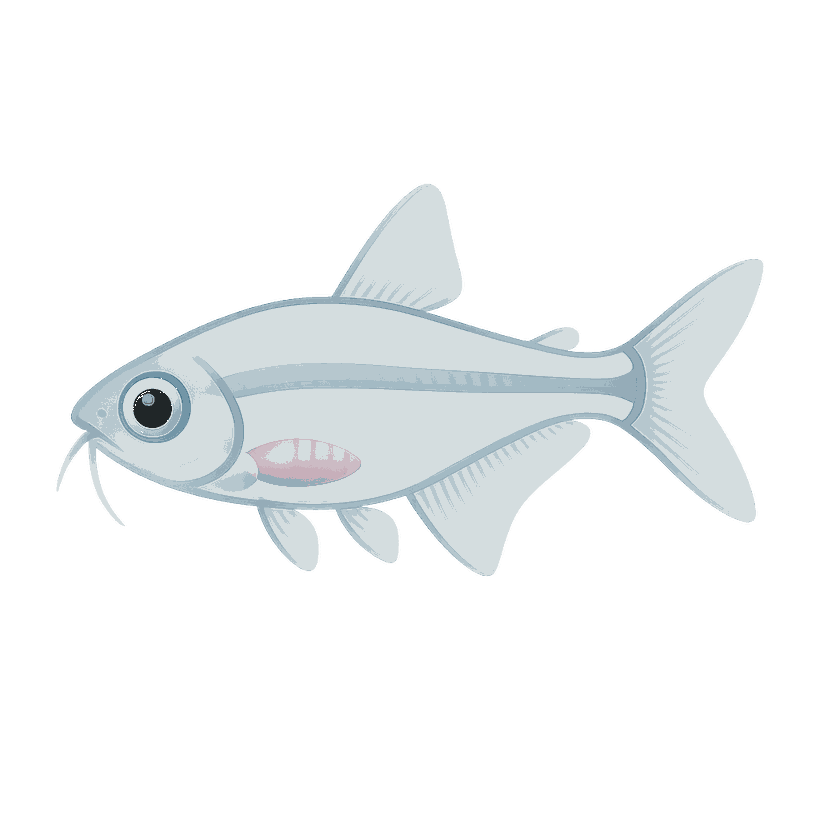
(Hemi)chromis-bimaculatus, or the red firefish, is a popular aquarium fish from the cichlid family. It's native to tropical Africa, specifically the Nile, Niger, and Congo river basins.
He bought about 15 half-year-old fish and decided to keep them in a large tank, at least 60 liters per pair. Luckily, he had one available. The fish were nothing like the bright red chromis we're used to seeing in pictures. They were neon blue and gradually turned pink as they grew.
As expected, one of the pairs formed, and it did!
Interestingly, chromis pairs form once and are permanent. And, as it turns out, the pair changed color. They didn't turn bright red, but they did get a bit rosier. I guess that means they're ready to start a family!
The female laid her eggs on the rocks, and the male fertilized them. And, just like that, the parents started guarding their future offspring. They even took turns eating!
At this point, we had to remove the rest of the chromis from the tank.
As it turns out, we've already got three pairs, and all of them have spawned. One pair has even done it twice. So, it seems chromis breeding is a breeze!
I set up two pairs of guppies in plant pots, and it was amazing to watch the dark deposit forming on the gravel in the pots - it was like watching the eggs hatch!
The parents were so devoted to their babies - they never left them alone!
It was really interesting to observe their behavior.
Here in this tank
the nest was originally in the right black pot. That's where I first saw the tiny fry, or rather, the moving gravel. The next day, I looked, and the fry were gone. Had my eyes been playing tricks on me? But I had definitely seen them! And then I saw them in the left pot. The parents were constantly moving them from pot to pot, but not just dumping them. One of the parents was always nearby, keeping watch.
When the fry started swimming on their own, the parents still kept a close eye on them, making sure they stayed put. They'd catch any particularly adventurous ones and return them to the nest.Once all the fry were strong enough to swim, the parents still kept them in a tight group, moving them around the tank together.
After about a month (but my husband did it sooner), it was time to separate the fry. Here are the fry from two pairs.
They grow so fast!
The color, as I said, is a lovely light blue. Later on, they'll develop a neon and pinkish tint.My husband took the first pair of guppies to the pet store. He separated the parents, not the fry. And in the other tank, the male became aggressive, chasing the female around, even nipping at her tail.
I've had to part ways with this pair. The other pair spawned some fry, and the adults are chill again, already becoming parents to a whole bunch of offspring.And to make things even more interesting, a third pair has formed, and there are some fry on the way.
Of course, having two pairs is a lot, and I'll have to rehome one of them. Plus, introducing more cichlids when you've got a lot already is a problem. But for now, we'll focus on raising them.
I'd definitely recommend these cichlids - they're pretty to look at, breed quickly, and are relatively easy to care for. But don't forget that they're predators, and they do better when kept separate. Even when they're good parents, they might see their grown-up offspring as food. And let's not even get started on other fish! So, if you can't keep them in a separate tank, you'll need to research their compatibility with other species first. But if you've got a tank with predators, you can definitely add a pair of these cichlids - they won't disrupt the ecosystem.

live_helpFeatured FAQ

What's the ideal tank size for breeding chromis fish?

We recommend a minimum tank size of 60 liters per pair, with plenty of space for them to swim and thrive. A larger tank will provide a more stable environment and reduce the risk of aggression towards other fish.

How often should I feed my chromis fish?

Chromis fish are omnivores and require a balanced diet. Feed them 2-3 times a day, providing a variety of foods such as flake food, frozen or live brine shrimp, and bloodworms. Avoid overfeeding, as this can lead to water quality issues and stress on the fish.

Why are chromis fish aggressive towards other fish?

Chromis fish are naturally aggressive and territorial. They may become aggressive towards other fish due to competition for food, territory, or mating. To minimize aggression, provide a large tank with plenty of space and separate territories for each fish.

How do I prevent chromis fish from digging into the substrate?

To prevent chromis fish from digging into the substrate, use a gravel vacuum to remove any debris or waste, and provide a layer of sand or fine gravel. This will make it more difficult for them to dig and reduce the risk of substrate disturbance.

Can I keep chromis fish with other predators?

It's not recommended to keep chromis fish with other predators, as they may become aggressive towards each other. However, if you're experienced and have a large tank with plenty of space, you can keep them with other peaceful fish such as gouramis or catfish.

How do I care for chromis fish during breeding?

During breeding, chromis fish require a stable environment with plenty of food and space to swim. Monitor water quality closely and perform regular water changes to ensure their health and well-being. Provide a separate breeding tank with plenty of hiding places and a secure lid to prevent escape.

What are some common health issues in chromis fish?

Chromis fish are prone to diseases such as fin rot, skin lesions, and respiratory infections. Regularly monitor their health and take action quickly if you notice any signs of illness. Provide a balanced diet, maintain good water quality, and perform regular water changes to prevent health issues.

Can I keep chromis fish in a community tank?

It's not recommended to keep chromis fish in a community tank, as they may become aggressive towards other fish. However, if you're experienced and have a large tank with plenty of space, you can keep them with other peaceful fish such as gouramis or catfish.

check_circlePros

  • •Easy to care for and maintain
  • •Not finicky about food
  • •Intelligent and active swimmers
  • •Relatively low maintenance compared to other predators
  • •Can be bred in a large tank with proper care
  • •Provides a fun and challenging experience for aquarium enthusiasts
  • •Easy to breed and raise
  • •Great for experienced aquarists

cancelCons

  • •Aggressive behavior towards other fish
  • •Love to dig into the substrate, making it difficult to keep a clean tank
  • •Require a large tank with plenty of space to swim
  • •Can be sensitive to water quality and temperature changes
  • •May not be suitable for beginners due to their aggressive nature
  • •Require regular monitoring and maintenance to ensure their health and well-being
  • •Can be prone to disease if not properly cared for
  • •May not be suitable for community tanks

Related Reviews

More reviews in Animals.

View all reviews
My Honest Review of Purina One Cat Food for Sterilized Cats: Is it Worth the Hype?
Portrait of yesme2
yesme2• 5 days ago

My Honest Review of Purina One Cat Food for Sterilized Cats: Is it Worth the Hype?

Find out if Purina One cat food is worth the hype for sterilized cats. Read my honest review and see if it's the right choice for your feline friend.

Products for Animals
thumb_up0
chat_bubble0
My Aquarium Adventure: A Tale of Neon Fish
Portrait of amandaLevy
amandaLevy• 5 days ago

My Aquarium Adventure: A Tale of Neon Fish

Learn about the pros and cons of keeping neon fish as pets, including their care requirements and potential health issues.

Fish
thumb_up0
chat_bubble0
Good value for money, but no miracle results - and no measuring spoon included.
Portrait of StephBell
StephBell• 5 days ago

Good value for money, but no miracle results - and no measuring spoon included.

Aquamenu Pro GSK Fish Food review: unique blend of spirulina and green peas, easy to digest, and convenient packaging.

Products for Animals
thumb_up0
chat_bubble0

Comments (0)

No comments yet. Be the first to comment!

Chromis Cichlid - The Colorful Character

Chromis Cichlid - The Colorful Character

Ürüne Git