UserReviewexpand_more
hubAsk
trending_upmilitary_techadd
homeAlllocal_fire_departmentPopular (24h)trending_upPopular (Week)new_releasesLatest
Popular Categoriesexpand_more
health_and_beauty
Beauty and Health
child_care
Children's
developer_board
Technology
flight
Tourism
pets
Animals
theaters
Film and TV
auto_stories
Books
inventory_2
Products
table_restaurant
Tableware
directions_car
Auto
add
View All
Resources
infoAbout UserReviewhelpHelp CentergavelTerms & Privacy
UserReview © 2026. All rights reserved.
UserReview

The most trusted review platform. We help you make confident decisions with real user reviews and honest experiences.

FBTWIGrss_feed

Explore

  • Categories
  • Leaderboard
  • Top Rated
  • Recent Reviews

Community

  • About Us
  • Careers
  • Press & Media
  • Contact Us

Support

  • Help Center
  • Legal Center
  • Rules & Guidelines
  • Privacy Policy

Newsletter

Subscribe to get the best reviews directly to your inbox.

rate_reviewWrite a Review
© 2026 UserReview. © 2024 UserReview. All rights reserved.•Made with♥for the community
Language
edit
My Algae-Eating Adventure: Otocinclus Affinis in the Spotlight
bykopiluwak
Animals•5 days ago
5
photo_library4
Amano Shrimp (Otocinclus affinis)
Ürünstar 5.0

Amano Shrimp (Otocinclus affinis)

I've got a soft spot for Amano shrimp - they're tiny, but they pack a big punch in community tanks. These little guys are as peaceful as they come, making them perfect for beginners or seasoned aquarists who want low-maintenance fish. Plus, they're like little vacuum cleaners, sucking up algae from glass and decorations with ease. And the best part? They're super easy to care for, even in a well-planted tank. I've had mine for a while now, and I can tell you, they're a great value for money.
chevron_right

My Algae-Eating Adventure: Otocinclus Affinis in the Spotlight

summarizeEditor's Summary

I recently took the plunge and bought some Otocinclus Affinis for my aquarium, hoping to tackle the pesky algae problem once and for all. These little guys are a type of loricariid catfish that are known for their ability to clean algae from plants and glass without damaging them. I was sold on the idea of using them to control algae on my tank walls and plants, as well as deal with thread algae in a natural way. One thing to note is that they're pricier than some other algae-eating fish, like the Siamese algae eater, but I think they're worth every penny. I've been impressed with their gentle nature, and they're perfect for small aquariums like mine. They're also relatively low maintenance, which is a big win for me. Since introducing them to my tank, I've noticed a significant reduction in algae growth, and they're great at cleaning algae from plants and glass without damaging them. Overall, I'm really happy with my decision to get Otocinclus Affinis, and I think they're a great addition to any aquarium.

Review image 1
Review image 2
Review image 3
Review image 4

settingsSpecifications

Kararİyi
Kalite8/10
Beslenme9/10
Sorumluluk7/10
I recently took the plunge and bought some Otocinclus Affinis for my aquarium, hoping to tackle the pesky algae problem once and for all. These little guys are a type of loricariid catfish that are known for their ability to clean algae from plants and glass without damaging them. I was sold on the idea of using them to control algae on my tank walls and plants, as well as deal with thread algae in a natural way.
I found mine at a bird market or through a classifieds ad, which was a bit of an adventure in itself. They're not a very common or popularly sold fish, especially in pet stores, so I was lucky to find some.
One thing to note is that they're pricier than some other algae-eating fish, like the Siamese algae eater, which serves the same purpose in the aquarium.
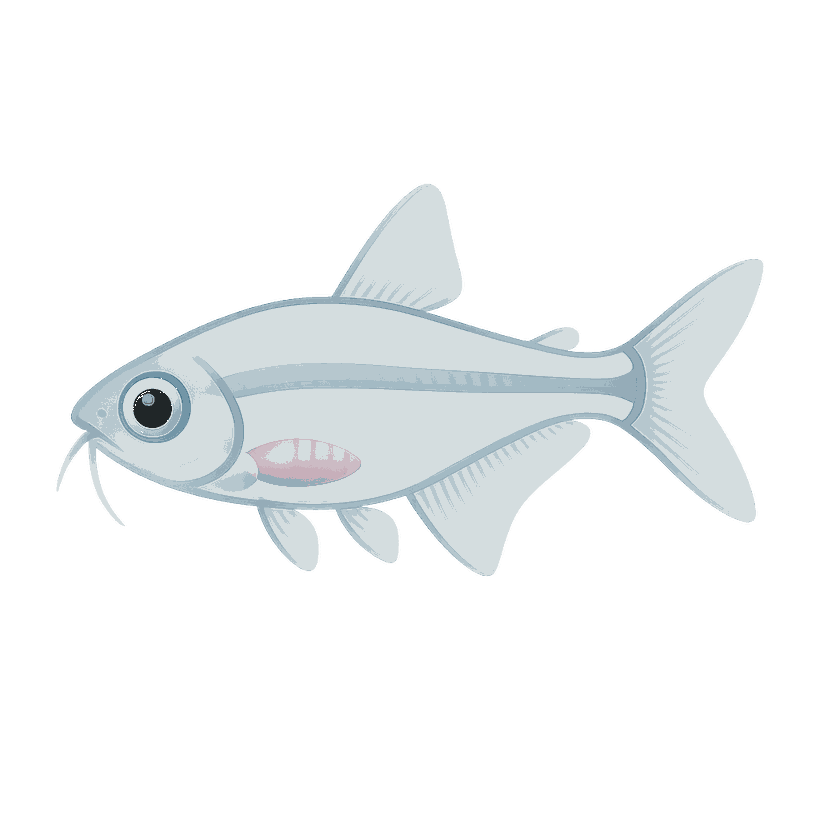
These little fish are small, unassuming, and don't have much visual appeal, in my opinion. They're a grayish color and look like little mice. They'd be perfect for nano-aquariums, as they're so small - reportedly growing up to 5 centimeters in length.
It's recommended to buy them in a group of 4-6 individuals, as they tend to school together and will feel more at ease in a group. Sexing them is tricky, as there's no visible difference between males and females.
Diet and Nutrition: Otocinclus are essentially vegetarian, feeding mainly on plant matter and algae. If you're short on algae, you can supplement their diet with blanched kale, cucumber, or zucchini. Alternatively, you can use Spirulina tablets designed for bottom-dwelling fish.
On my experience, they don't seem to be interested in dry food, but they do enjoy brine shrimp and will occasionally snack on them. They also seem to enjoy the Anubias tablets I give to my Ancistrus, but they won't touch the Tetra Pleco tablets meant for bottom-dwelling fish.
It's worth noting that they spend most of their time scraping algae off plants and glass, and occasionally munching on a brine shrimp.
Maintenance and Care:
Otocinclus catfish are quite finicky about their environment, so it's essential to provide them with a stable and well-oxygenated environment. Sudden changes in temperature, water replacement, and other factors can be detrimental to their health.
They thrive in water rich in oxygen, with good aeration. I replace the water every week, and I get it from a well. To be honest, I don't pay much attention to temperature fluctuations – it's been between 27 and 23 degrees Celsius, and they seem to be doing just fine.
These fish are quite adaptable and don't seem to be too picky about their environment. They're not finicky at all, which is a relief for a busy aquarist like me.
When I bought them, I was told they were imported and acclimated, which gave me a bit more confidence in their ability to thrive in my tank.
Behavior:
Unlike anabantids, which are lazy and tend to hide in their caves, otocinclus catfish are active and always on the move. They're a joy to watch, constantly exploring their surroundings in search of food. They're voracious eaters and always seem to be hungry.
One of their most endearing traits is their constant cleaning and maintenance of their surroundings. They use their suction cup to clean algae from the glass and plants, and they're always on the move.
This is in stark contrast to anabantids, which seem to be waiting for food to be handed to them on a silver platter. They'll occasionally pretend to be cleaning the glass, but it's all just an act.
The Verdict: Pros and Cons
On the plus side:
1) Active and always on the move, making them a joy to watch.
2) Their small size makes them perfect for smaller aquariums.
3) They're relatively easy to care for and don't seem to be too picky about their environment.
4) They're entertaining to watch.
5) They're gentle and don't damage plants.
6) Their movements are quite beautiful to watch.
Of course, there are some downsides:
1) They're quite pricey, and I think they're overrated in many ways.
2) Their appearance is quite ordinary and unremarkable.
3) They're finicky eaters and won't take tablets.
4) They don't seem to be very effective at cleaning algae from the glass and walls of the aquarium – they just leave it as it is.
I've also noticed that they don't seem to eat nitrates or algae, which is a problem for me since I have a lot of green algae growing on the walls.
I have to admit, I had to resort to some old-school methods to get rid of the algae in my tank. I covered it up for 3 days, completely darkening it, and when I uncovered it, the algae had fallen off and I was able to pick it up with my hands and a sponge.
To be honest, I'm not really sure what these algae-eating fish are supposed to do, or what kind of algae they're supposed to eat. I mean, they get rave reviews online, but I'm not entirely sure what the deal is. I guess I just thought I'd give them a try.
So, just a heads up: not all fish are compatible with these algae-eaters, so be sure to do your research before buying.
That's my story with these algae-eaters. Hope you found my review helpful!

live_helpFeatured FAQ

Are Otocinclus Affinis safe for community tanks?

Yes, Otocinclus Affinis are generally safe for community tanks, but make sure you're introducing them slowly and under close observation to ensure they get along with your other fish.

How often should I feed my Otocinclus Affinis?

I feed my Otocinclus Affinis every other day, but you may need to adjust the frequency based on your tank's specific needs.

Can Otocinclus Affinis eat algae from live plants?

Yes, Otocinclus Affinis are great at cleaning algae from live plants, but make sure you're not overfeeding them, as this can cause more harm than good.

How long do Otocinclus Affinis live?

Otocinclus Affinis can live up to 5 years or more in optimal conditions, but their lifespan will depend on a variety of factors, including water quality and diet.

Can I keep Otocinclus Affinis with other algae-eating fish?

Yes, you can keep Otocinclus Affinis with other algae-eating fish, but make sure you're introducing them slowly and under close observation to ensure they get along.

How do I care for my Otocinclus Affinis?

To care for your Otocinclus Affinis, make sure you're providing them with plenty of hiding places, a varied diet, and regular water changes.

Can I breed Otocinclus Affinis in my aquarium?

Yes, you can breed Otocinclus Affinis in your aquarium, but this will require a lot of research and expertise.

Are Otocinclus Affinis good for small aquariums?

Yes, Otocinclus Affinis are perfect for small aquariums, as they're relatively low maintenance and don't require a lot of space.

How do I introduce Otocinclus Affinis to my tank?

To introduce Otocinclus Affinis to your tank, make sure you're doing a slow and gradual introduction, and monitor their behavior closely to ensure they're getting along with your other fish.

check_circlePros

  • •They're gentle on plants, which is a huge plus for me.
  • •I love that they don't compete with other fish for food, so I can feed them separately.
  • •They're perfect for small aquariums, which is exactly what I have.
  • •They're great at cleaning algae from plants and glass without damaging them.
  • •I've noticed a significant reduction in algae growth since I introduced them to my tank.
  • •They're relatively low maintenance, which is a big win for me.
  • •They're easy to care for, and they're not too finicky when it comes to food.
  • •They're great for beginners, as they're hardy and can thrive in a well-maintained tank.

cancelCons

  • •They can be pricey, especially if you're looking to stock a large tank.
  • •They're not as common as some other algae-eating fish, so you might have to look harder to find them.
  • •I've noticed that they can be a bit finicky eaters, so make sure you're feeding them the right food.
  • •They're not as fast at eating algae as some other fish, but they get the job done.
  • •I've had some issues with them getting stuck in tight spaces, so make sure you have plenty of hiding places in your tank.
  • •They're not as active as some other fish, so they might not be the best choice if you're looking for a lot of action in your tank.
  • •They require a lot of hiding places and plants to feel secure, so make sure you have plenty of decorations in your tank.
  • •They can be sensitive to water changes, so make sure you're doing regular water changes to keep them happy and healthy.

Related Reviews

More reviews in Animals.

View all reviews
A Mixed Bag for My Small Fish: ZOOMIR Fishy Menu Mini-Meal for Fry and Small Fish (Granules)
Portrait of allisonCook
allisonCook• 5 days ago

A Mixed Bag for My Small Fish: ZOOMIR Fishy Menu Mini-Meal for Fry and Small Fish (Granules)

Get the inside scoop on the ZOOMIR Fishy Menu Mini-Meal for Fry and Small Fish (Granules) and see if it's the right fit for your aquarium.

Products for Animals
thumb_up0
chat_bubble0
A Decent Fish Food, but Not My Top Pick
Portrait of yesme2
yesme2• 5 days ago

A Decent Fish Food, but Not My Top Pick

An honest review of this affordable fish food, including its pros and cons, and whether it's worth the price.

Products for Animals
thumb_up0
chat_bubble0
My Clown Loach Experience: The Good, the Bad, and the Long-Lived
Portrait of StephBell
StephBell• 5 days ago

My Clown Loach Experience: The Good, the Bad, and the Long-Lived

Get the inside scoop on keeping Clown Loaches happy and healthy in your aquarium.

Fish
thumb_up0
chat_bubble0

Comments (0)

No comments yet. Be the first to comment!

Amano Shrimp (Otocinclus affinis)

Amano Shrimp (Otocinclus affinis)

Ürüne Git