My Clown Loach Experience: The Good, the Bad, and the Long-Lived
StephBell
Animals
5
photo_library6
Ancistrus Catfish
Ürünstar 5.0

Ancistrus Catfish

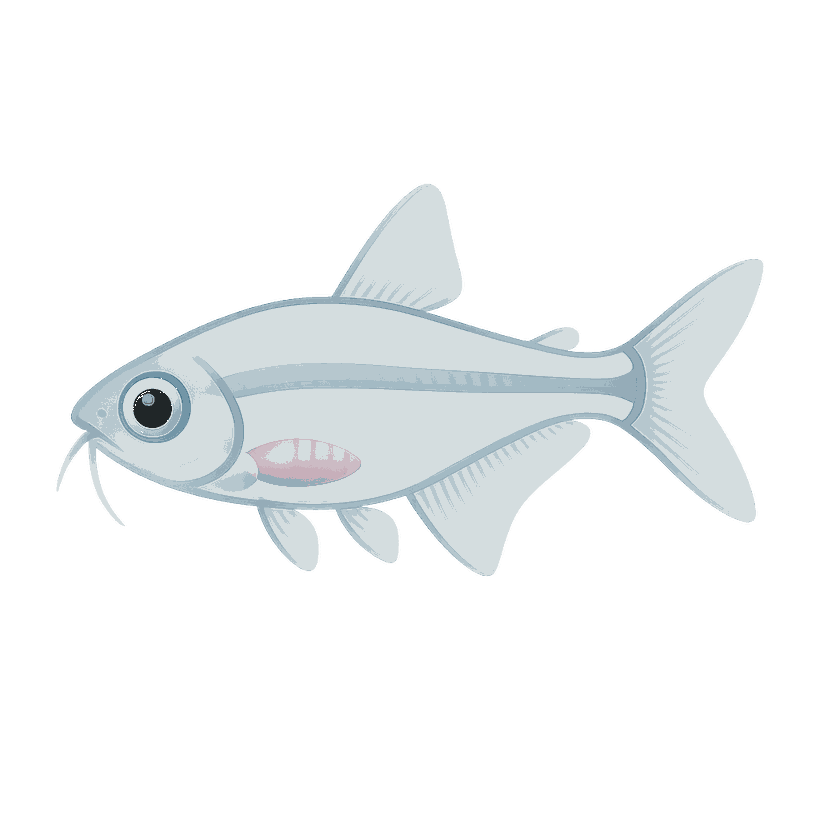
The Ancistrus Catfish is a total rockstar in the aquarium world - and for good reason. Its one-of-a-kind looks and chill vibe make it a fantastic addition to any freshwater tank. This little bottom-dweller is relatively small, super easy to care for, and adds a ton of personality to your underwater landscape. Plus, it's a great choice for beginners, as it's pretty hardy and can thrive in a variety of conditions.
chevron_right

My Clown Loach Experience: The Good, the Bad, and the Long-Lived

summarizeEditor's Summary

I've had Clown Loaches for years, and I've learned that they're long-lived, low-maintenance fish that thrive in well-maintained tanks. They're not picky eaters, but they do have some quirks that you should be aware of. With proper care, they can live for many years and make great additions to any aquarium. However, they can be a bit finicky, and their growth rate is slow. I've found that they're worth the effort, but you need to be patient and do your research before bringing them home. One thing to keep in mind is that they're naturally crepuscular, meaning they're most active at dawn and dusk. This can be a challenge for some owners, but it's also a great opportunity to observe their behavior. Overall, I highly recommend Clown Loaches for any aquarium enthusiast.

Review image 1
Review image 2
Review image 3
Review image 4
Review image 5
Review image 6

settingsSpecifications

Kararİyi
Kalite9/10
Beslenme8/10
Büyüme7/10
My Clown Loach Experience: The Good, the Bad, and the Long-Lived
I've had Clown Loaches for a while now, and I've learned a thing or two about these unique fish. They're long-lived, to say the least, and can thrive in a well-maintained tank. In fact, with proper care, they can live for many years, making them a great addition to any aquarium. I've had mine for so long, I've seen them go from energetic young fish to laid-back adults.
When it comes to food, they're not picky eaters. They'll munch on just about anything that falls into their tank, including dead fish, bloodworms, flake food, cucumbers, leaves, algae, and even the buildup on the glass. However, I don't feed them cucumbers or other veggies, as I think they're unnecessary and just create more mess in the tank. I'd rather not risk it. They don't need corraga for digestion, but it does help with cellulose breakdown. (Although they can live just fine without it.)
Clown Loach growth is a slow process. They can take years to reach their full size, even in larger tanks. They might grow 1-3 cm per year, and it's not uncommon for them to live in tanks as small as 30-40 liters, as long as you only keep one per tank. This slow growth rate can be a bit frustrating, but it's also a testament to their hardiness and ability to thrive in a variety of environments. I've seen some of mine grow to be around 10-15 cm, which is a pretty impressive size.
Some people try to keep multiple Clown Loaches in the same tank, but it's a recipe for disaster. They're not exactly friendly to each other and will often fight and even kill each other. (So, it's actually better to keep them alone.) I've learned this the hard way, unfortunately.
I've found that they're perfectly happy on their own and don't need any tankmates. Don't rush the growth of your Clown Loaches - they'll grow at their own pace and are more active when they're younger. Younger Loaches are more energetic and active, while older ones are more laid-back and tend to just sit around. It's pretty entertaining to watch them go through this transformation.
They're also more efficient at cleaning the tank when they're younger, but as they get older, they become more lazy and will often just sit around waiting for food to fall into their tank. This can be a bit of a challenge, as you'll need to make sure they're getting enough food and that the tank is clean and well-maintained. I've found that doing regular water changes helps keep them happy and healthy.
One thing to note is that Clown Loaches can survive without food for a while, as they'll just eat whatever they can find in the tank. This can be a bit of a blessing and a curse, as it means they're adaptable and can thrive in a variety of environments, but it also means they can be a bit finicky and may not always eat what you're offering. I've learned to just let them eat what they want, as long as it's not harming them.
Unfortunately, they can get sick sometimes. Ichthyophthiriasis, for example, is a real bummer - it's not curable, as far as I'm concerned. There are plenty of other diseases they can contract. You can find all the info online, and there are tons of videos on YouTube. I've had to deal with this issue a few times, and it's always a pain.
Reproduction can be a bit of a challenge. They laid eggs in the tube, and for the first time, the male released the eggs, and I didn't intervene. The female was happy to gobble them up. No need to stress about it, let nature take its course. I've had to do this a few times, and it's always interesting to watch.
It's normal, I guess, that the male anabantid can release eggs - there are plenty of reasons why. Now I'm just left to wonder. Maybe they're just trying to start their own family or something.
When we tried again, the male stayed put from start to finish, and the babies grew up and left their little nest. It was pretty cool to watch them grow and develop.
The male was taking a break, while the babies conquered the world. Anabantids don't eat their offspring, by the way. That's a relief, at least.
When it's time to get rid of them, it's not easy. Zoos and pet stores aren't exactly clamoring to take them in, and honestly, most of them aren't keen on taking anything from home. I've had to list them on Avito a few times, and it's always a challenge to find new owners. I mean, my fish food doesn't even get a return on investment.
I'm not keen on giving them away for free, either. When I checked Avito, I saw that there were already 9 listings in my city, and they were going for 100-150 rubles. I waited a week, then another, and another, and I'd recommend closing the chat and just taking calls. Whoever writes a message usually doesn't show up. They just like to write, but not actually do anything.
Like, 'Can I come over and take a look at the fish?' No thanks, I'm not going to let strangers into my home for 20 rubles.
Or, 'Hi, I have a 9-liter aquarium and I want to buy 15 soms.' Sorry, but I'm not going to give them away to their death. I mean, it's not worth the risk.
It's not easy to find a new home for them, especially when they're not exactly cheap to feed. Some people ask questions that just make you laugh.
I managed to find some new owners, and I even 'baptized' them. The soms decided to breed again, and I had to go through the whole ordeal again. It's always a challenge, but it's also kind of fun.
Now my soms have stopped breeding, and it's been a while since they last did. I'm really glad they've stopped. Maybe they're just getting old, or maybe they don't like the conditions or something. Either way, I'm happy.
Maybe I'll get some new fish to keep them company. I've always wanted to try keeping some other types of fish, like guppies or neon tetras.
Here's a photo of my handsome guy:
Distinguishing between males and females is ridiculously easy: males have horns, females don't. That's it, pretty straightforward. I've learned to just check for the horns and call it a day.
How big can they get? It varies, but around 10-15 cm is a good estimate. I've seen some of mine grow to be even bigger than that.
Hiding places are a must, especially if you have multiple somics. They love to hide and rest in these spots. I've had to get creative with my hiding places, but it's worth it to keep them happy and healthy.
Live plants are a must, not artificial ones. And, you should research which plants are safe for them to eat, as some can be problematic. I recommend using plants like anubias or valisneria – just do your research online. I've had to replace some plants a few times, but it's worth it to keep my soms happy.
Water changes: you should do them once a week or every 10 days, depending on how much organic waste you have and how much you feed them. I've found that doing regular water changes helps keep them healthy and thriving.
I really like anabantids; they have their own unique charm and are great for creating a natural, layered environment in your aquarium. They're not super active during the day, but at night, they come alive. They can be a bit skittish, but it's entertaining to watch. They live a long time and will keep you entertained for years to come. Thanks for watching.

live_helpFeatured FAQ

How often should I feed my Clown Loach?

Clown Loaches are opportunistic feeders, which means they'll eat as much as they can when food is available. It's best to feed them 2-3 times a day, but make sure not to overfeed, as this can lead to digestive issues.

Can Clown Loaches live with other fish?

Yes, Clown Loaches can live with other fish, but it's essential to choose compatible tankmates. They're best suited for community tanks with peaceful, small fish that won't compete with them for food or territory.

Why is my Clown Loach hiding during the day?

Clown Loaches are naturally crepuscular, which means they're most active at dawn and dusk. During the day, they may feel stressed or territorial, leading them to hide. You can try providing them with plenty of hiding places and plants to help them feel more secure.

How can I encourage my Clown Loach to eat more?

Clown Loaches can be picky eaters, but you can try offering them a variety of foods, including live or frozen foods like bloodworms or brine shrimp. You can also try adding some vegetable matter, like cucumber or zucchini, to their diet.

Can I keep Clown Loaches in a small tank?

While Clown Loaches can thrive in small tanks, it's essential to provide them with plenty of space to swim and explore. A minimum tank size of 30 gallons is recommended, but larger tanks are always better.

Why is my Clown Loach growing so slowly?

Clown Loaches grow slowly, taking years to reach their full size. This is normal, but you can try providing them with a varied diet and plenty of space to swim, which can help stimulate their growth.

Can I keep Clown Loaches with plants?

Yes, Clown Loaches can live with plants, but it's essential to choose plants that are safe for them to eat. Some plants, like Anacharis or Java Moss, are great for them to graze on, while others, like Cryptocorynes or Anubias, are better left alone.

Why is my Clown Loach nipping at other fish?

Clown Loaches may nip at other fish if they're feeling stressed or territorial. You can try providing them with plenty of hiding places and plants to help them feel more secure, and also try separating them from other fish for a while to help them calm down.

How do I care for my Clown Loach?

Clown Loaches require proper care and attention. Make sure to provide them with a well-maintained tank, a varied diet, and plenty of space to swim and explore.

check_circlePros

  • Long-lived, with some owners reporting up to 10 years of lifespan
  • Low-maintenance, as they're easy to feed and care for
  • Great at cleaning the tank by eating leftover food and algae
  • Interesting to watch, as they're active and curious fish
  • Can thrive in a variety of tank sizes, from small to large
  • Not too demanding when it comes to water quality and temperature
  • Easy to breed, making them a great choice for experienced aquarists

cancelCons

  • Can be a bit finicky, especially when it comes to food
  • Slow growth rate, taking years to reach their full size
  • May nip at other fish, especially if they're feeling stressed or territorial
  • Can be prone to hiding during the day, which can be a concern for some owners
  • May eat plants, which can be a problem if you have a planted tank
  • Can be a bit shy, taking time to get used to their surroundings
  • May not be suitable for beginners, as they require proper care and attention

Related Reviews

More reviews in Animals.

View all reviews
A Decent Fish Food, but Not My Top Pick
Portrait of yesme2
yesme25 days ago

A Decent Fish Food, but Not My Top Pick

An honest review of this affordable fish food, including its pros and cons, and whether it's worth the price.

Products for Animals
thumb_up0
chat_bubble0

Comments (0)

No comments yet. Be the first to comment!