
My Hysterectomy Journey: A Personal Story
add_circle الإيجابيات
- The surgery was a lifesaver – I was literally bleeding out, and it's been a huge relief to have that under control.
- The recovery process was surprisingly smooth – I was back to my normal self in no time.
- I no longer have to deal with the constant bleeding and discomfort that came with my fibroids.
- I've been able to enjoy my normal activities without feeling exhausted all the time.
- The medical team was top-notch – they made me feel comfortable and supported throughout the whole process.
remove_circle السلبيات
- The prep work for the surgery was a bit of a hassle – I had to follow a strict diet and take meds for weeks beforehand.
- The actual surgery itself was a bit of a blur – I was under anesthesia, so I don't remember much.
- I had some minor complications during the recovery process, but they were easily managed by my doctor.
- I had to deal with some annoying insurance issues before the surgery – it was a real headache.
- I'm still adjusting to my new body – it's taking some time to get used to not having a uterus.
المعرض
Editor's Summary
I'm 41 and just two months post-op after a long battle with heavy periods, multiple polyps, and growing fibroids. My ultrasound showed three visible fibroids, and my uterus was the size of a six-week pregnancy. I was exhausted from constant bleeding and low hemoglobin levels. But after the surgery, I've been able to live a relatively normal life, and I'm grateful for that. It's been a wild ride, but I'm glad I can share my story with you. I'm still getting used to not having a uterus, but it's been a huge relief to have my fibroids under control.
Specifications
I'm 41 years old, and I'm writing this review two months after the fact.
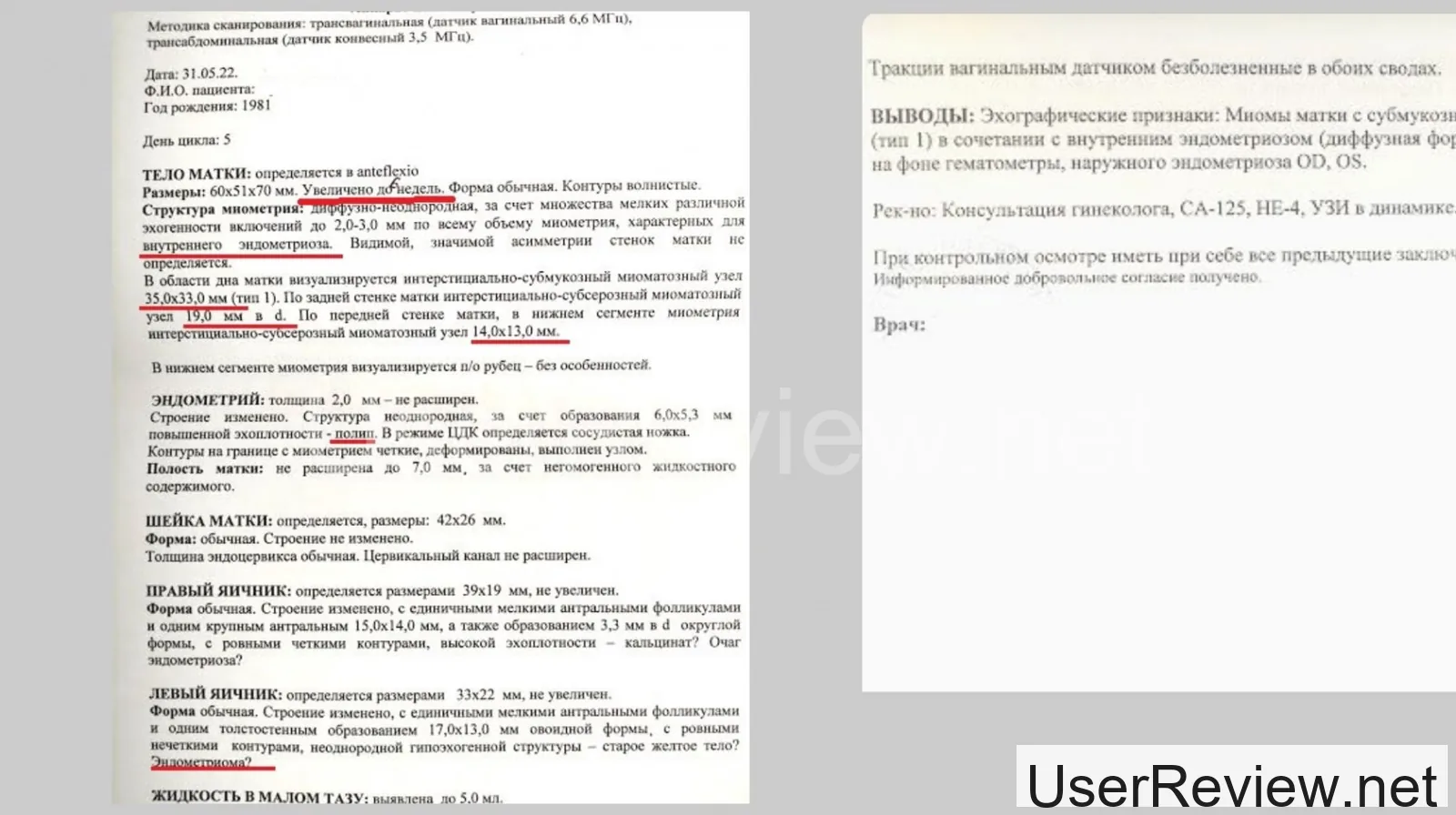
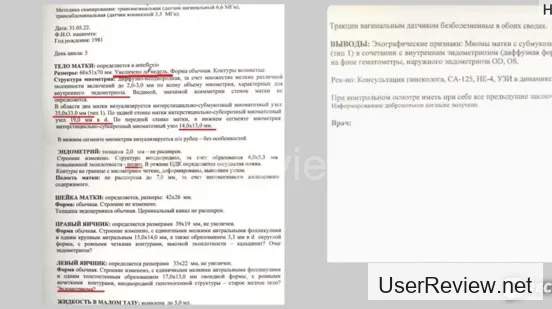
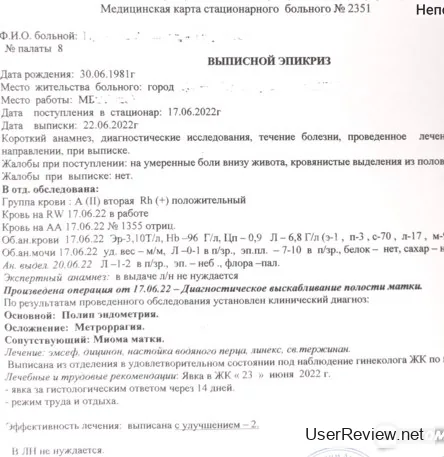
I've been dealing with heavy periods my whole life. After having twins, the bleeding got even worse. I suspect that, against this backdrop, I developed two polyps at different times, which I had removed. Plus, for five years now, I've been keeping an eye on a growing fibroid, but every year, another small one would join the party. By June 2022, my ultrasound showed three visible fibroids, and my uterus was the size of a six-week pregnancy.
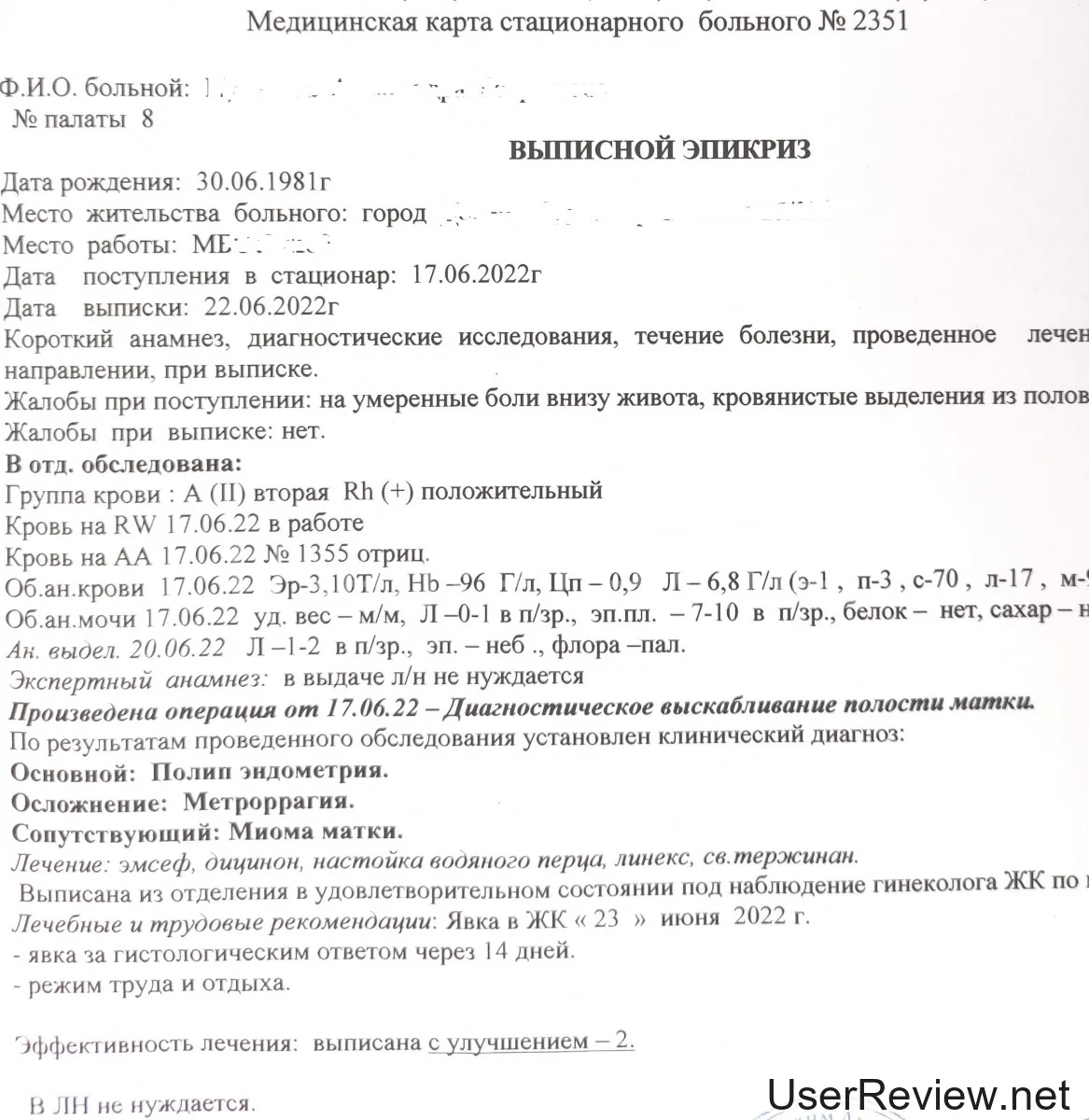
Ultrasound MaySaying they weren't a concern would be a lie. Apart from the heavy bleeding and low hemoglobin levels (96 units), I had spotting before and after my period. My cycle's 28 days long, and I get 14 clean days in a month, with the rest being bloody. I didn't have any severe cramps, so I could tolerate it. Don't judge me for opting for a hysterectomy just because of the fibroids. I also have a bad family history – my mom had her breast removed (cancer), and 20 years later, she passed away from gynecological issues.After my last polyp removal on June 17, my doctor invited me to his office and said, 'Your whole uterus is in knots. Since it's still small, let's remove it?' Of course, I resisted, had a ton of questions, and wondered if I could make it to menopause without any issues. He told me that, nowadays, more and more women over 60 are getting surgery because, even after menopause, their fibroids grow and need to be removed ASAP. My coworker had a similar story just six months ago, so I believed him. And, a year ago, my gynecologist already suggested removing it, but I freaked out and refused.
Listening to my body, I thought, 'I'll go now, so tomorrow won't be too late.'
My Periods
On June 21, I had my first day of my period, and it wasn't too bad, considering I'd had a polyp removed beforehand. On the day of the surgery, I had some light spotting, but the doctor said it wasn't a big deal.
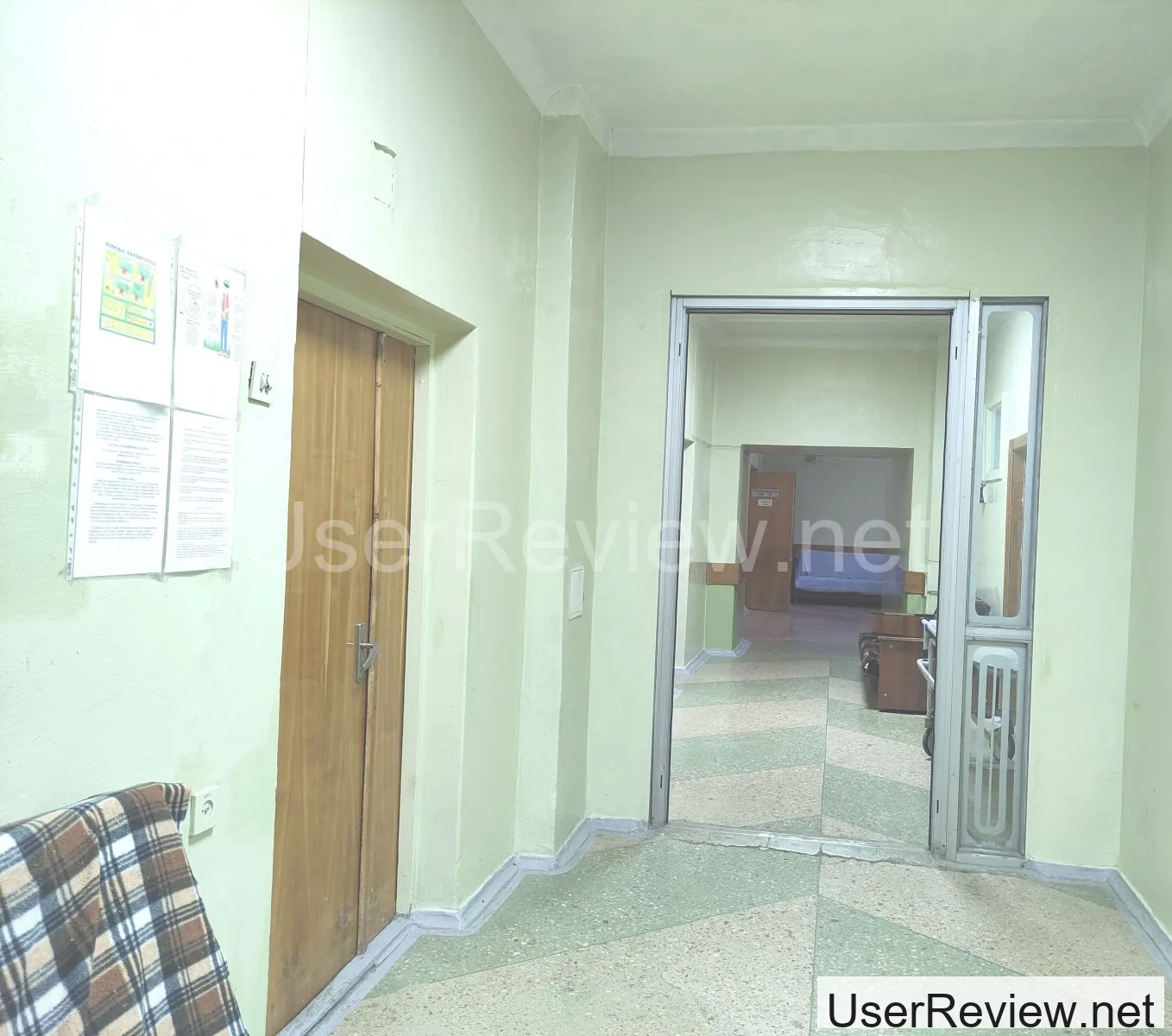
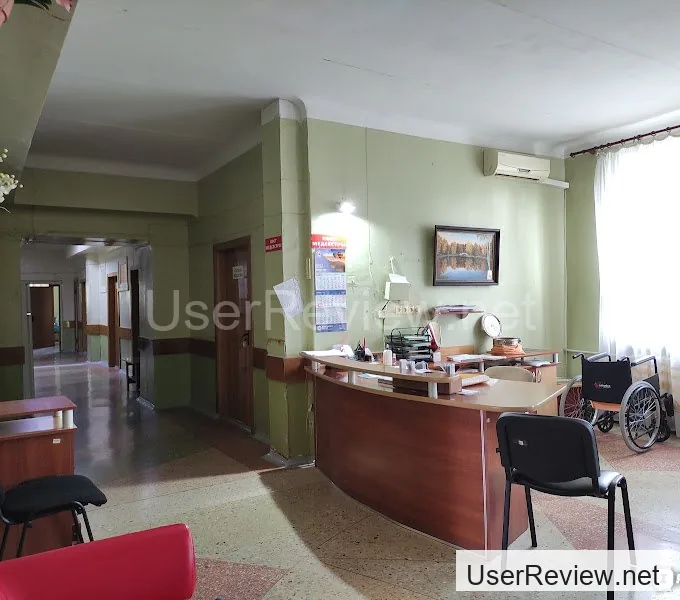
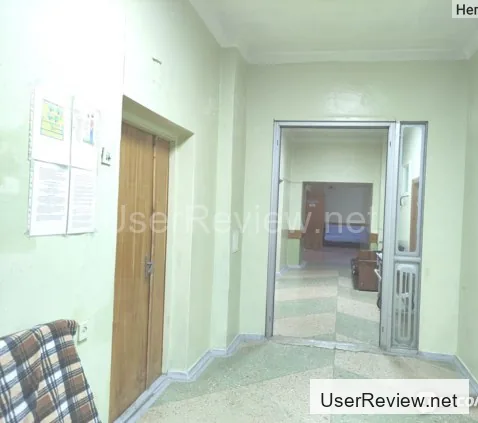
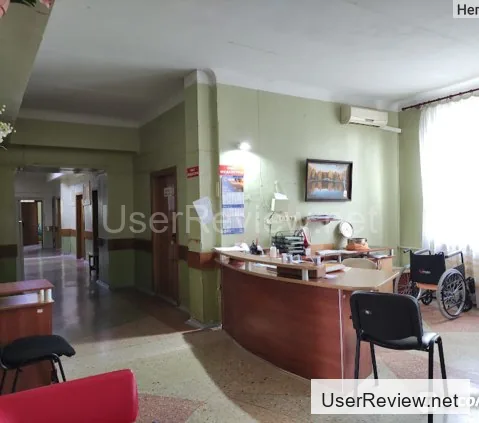
The Hospital
After calling my doctor on Sunday, we decided I'd go in on Monday morning.
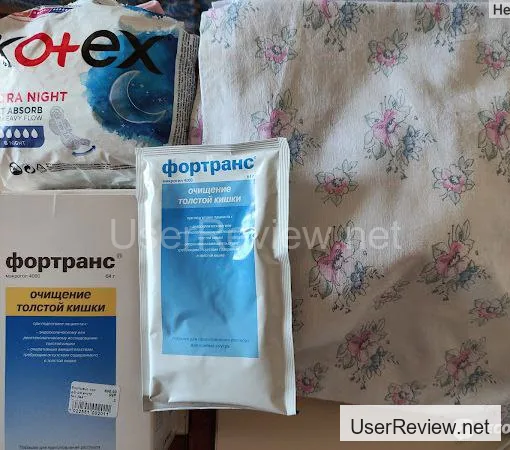
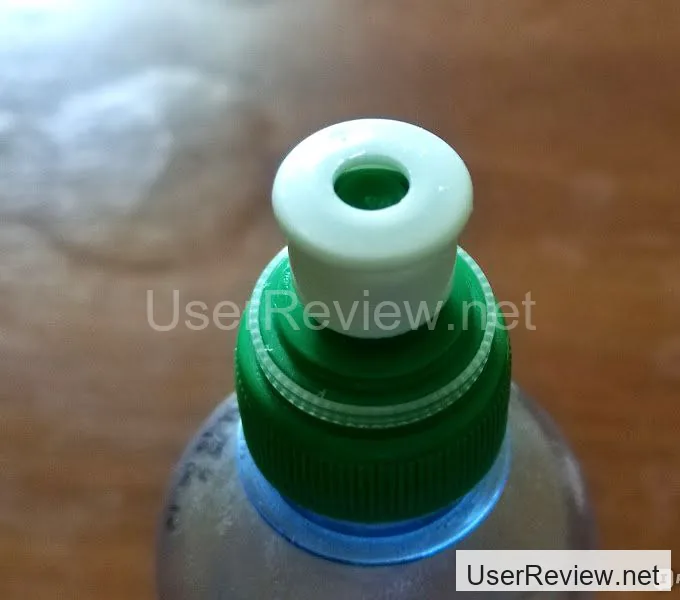
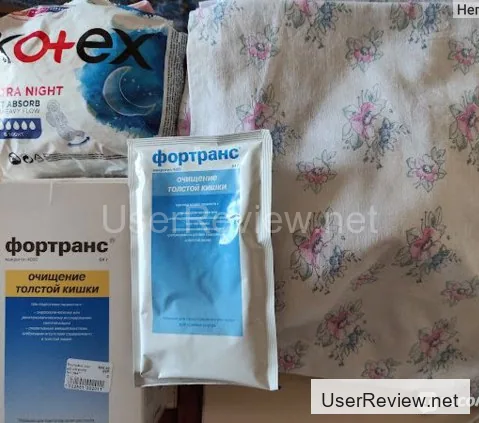
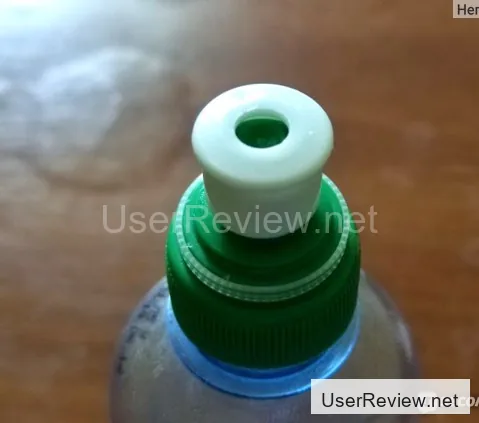
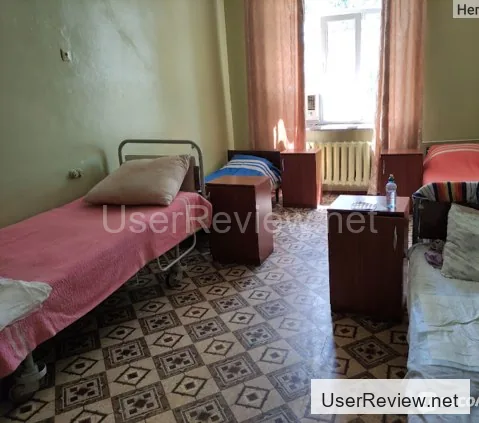
I packed my bag with all the essentials – documents, money, bedding, toothbrush, toothpaste, a sanitary towel, a hospital gown and a t-shirt, slippers, daily sanitary pads, a charger, three Fortrans packets, three liters of water, some cookies, and two elastic bandages. I have to say, I didn't need those elastic bandages.One more important thing – bring a small water bottle with a dosing cup for kids, so you can push the straw in with your teeth and drink easily.After the surgery, my hands could barely hold big bottles, and drinking from them was a hassle.Preparation
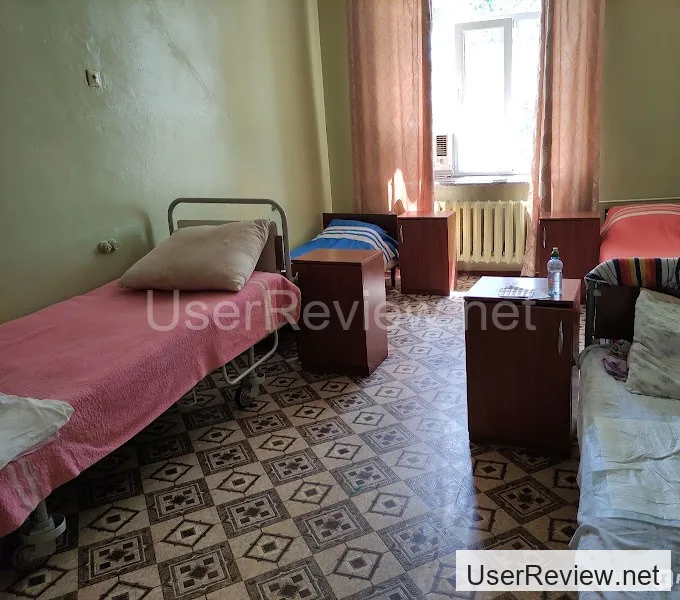
After seeing all the doctors on Monday – ECG, anesthesiologist, blood and urine tests – I asked to go home. They told me the surgery was scheduled for Tuesday around 11-12 am and I was allowed to leave. I left most of my stuff at the hospital and only took my documents and Fortrans.
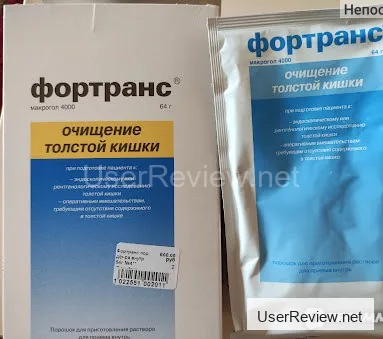
At 2 pm, I had a beef soup, in the evening at 5 pm, I drank 3 packets of Fortrans over 3 hours, and in the morning, I was allowed to have sweet tea because the surgery would be late.Before bed, I could take valerian, as the anesthesiologist said they would have given me a sedative if I were in the hospital.How I drank Fortrans
Before mixing the medicine, I read reviews and here's what I got: chill the water before drinking – it works, mix one packet with 1 liter of water and drink it through a straw over 1 hour, then do the same with subsequent doses. When you need to go to the bathroom, go a few times, and then sit on the toilet and wait for the water to come out. Don't irritate your sphincter with toilet paper.Overall, the straw didn't help much because I got nauseous from the taste and smell.Day of surgery 28.06.22 (Tuesday)
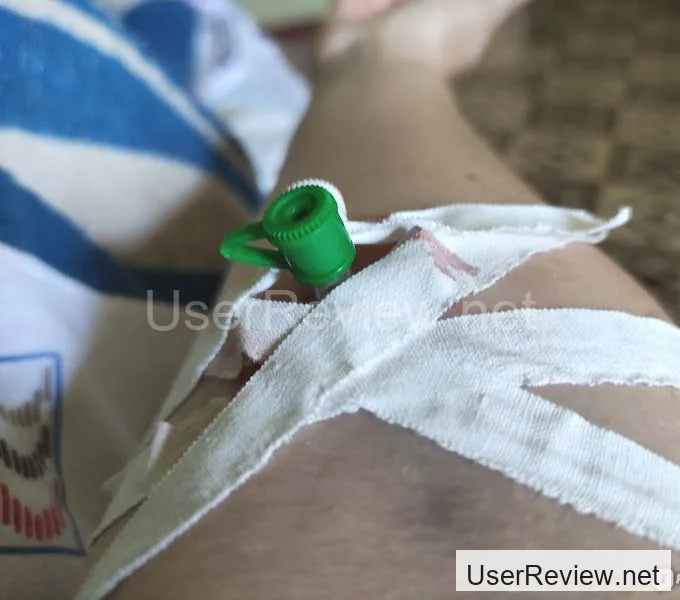
I was expecting the surgery to be at 11 am, but something came up and it was postponed for 10 hours. I took off all my clothes and underwear, put on a t-shirt and a hospital gown. By the way, I was allowed to keep my left arm in the t-shirt, so I didn't have to fix it, and my right arm was tied up.
Before the surgery, they inserted a urinary catheter, and let me tell you, it hurt. With it and the tube, I went into the operating room.
I went under epidural anesthesia, which involves injecting medication into the spinal space. Luckily, the anesthesiologist was really skilled and got it right on the first try – unlike my second C-section, which took 12 attempts. They turned me over onto my back, put my legs up on the armrests, and that's all I remember.
I was wheeled into the operating room at 10:10, and I think I drifted off around 10:20. The doc came out of the OR at 12:05, so the surgery lasted around 1 hour and 30 minutes to 1 hour and 45 minutes.
When I woke up in the ward at 12:40, I was a bit disoriented and groggy. I tried asking questions, but my speech was all slurred and no one could understand me.
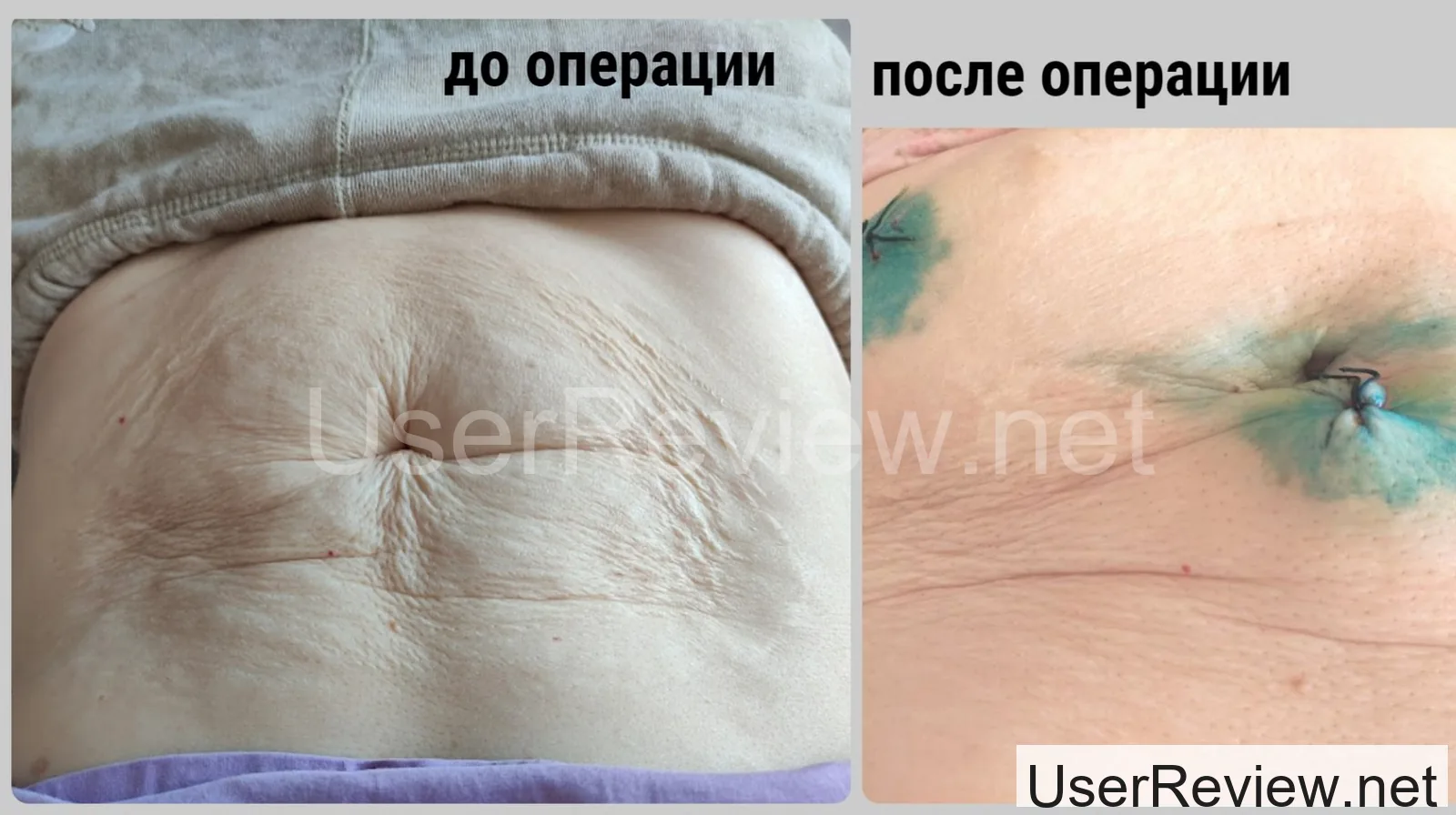
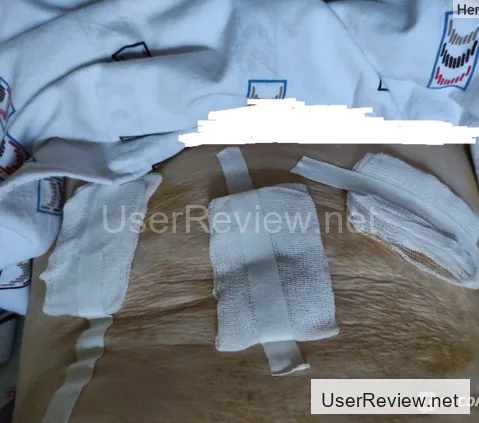
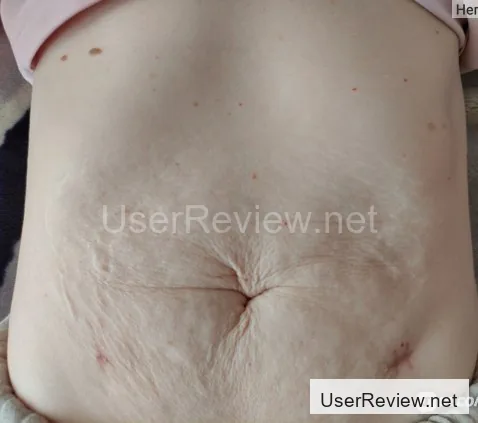
At around 3 pm, the doc came in and said the surgery went smoothly. He made three small incisions, removed my uterus, and cauterized the cervix – all while being careful because I had a bladder sling put in after my second C-section.
After the operation, the stitchesHe said my ovaries were fine, but there was some yellowish stuff on the ultrasound. He reassured me it would resolve on its own. He told me I could start turning over by the evening and walking the next day. I could have water by the next day, and food the day after.For the rest of the day, I just drank water and tried to move around a bit. I couldn't say for sure what hurt, since they'd given me pain meds. Throughout the day, I had a catheter to drain my urine. They'd lay a pinnie down and check if it was soiled, but I think I was leaking some lymph fluid – small, light-colored discharge with a pinkish tint.
By the evening, my temperature had spiked to 38°C, so they gave me some analgesics and antihistamines. It didn't really help, and I was still a bit feverish the next morning. I slept through the night.
How my recovery went in the hospital
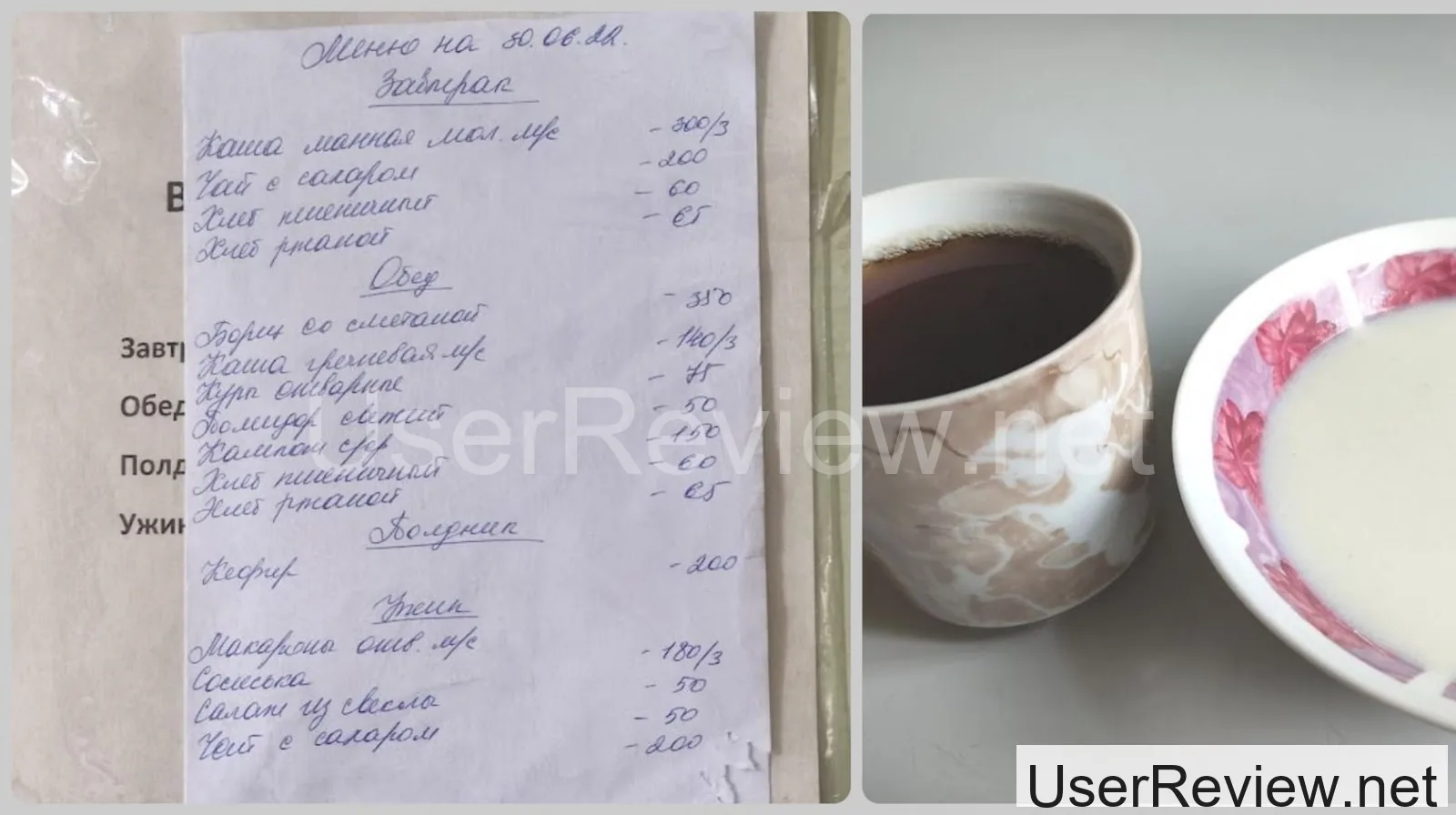
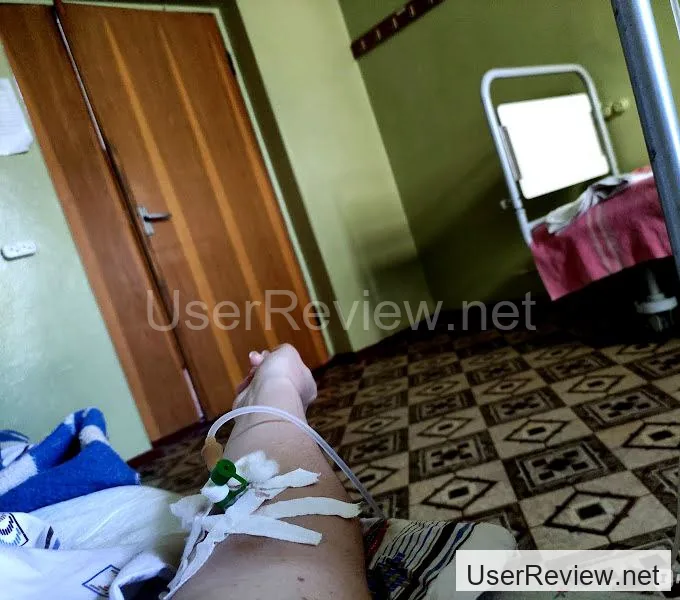
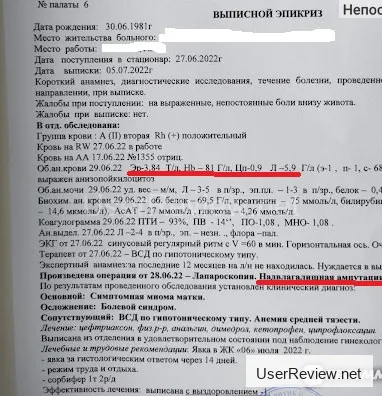
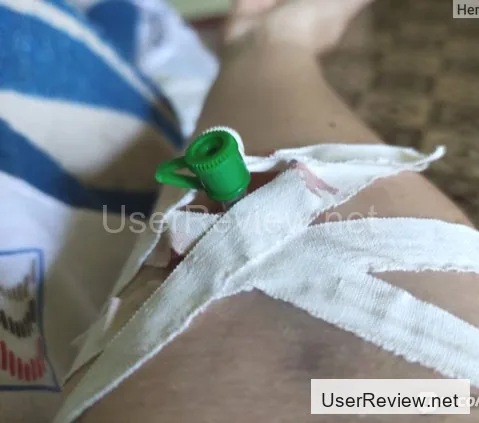
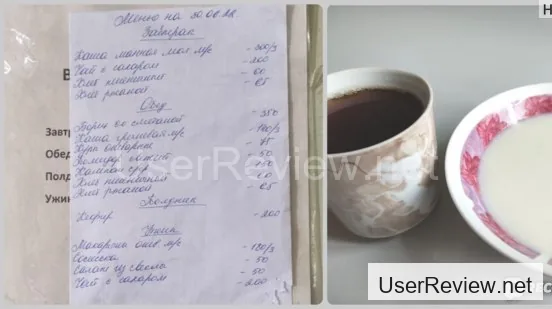
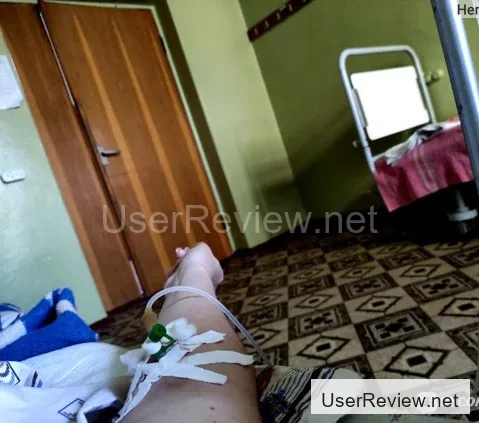
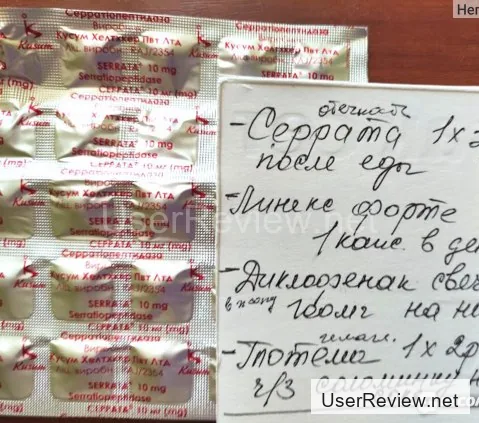
The next morning, they took my temperature and gave me antibiotics through the central line. Since my hemoglobin was really low at 81, they prescribed some additional meds. By the second day, I was able to use the bathroom on my own. Meals were served on a schedule. Before each meal, I'd take bifidumbacterin, and to be honest, the food was pretty good. However, after each meal, my stomach would churn and I'd get some cramps. Throughout the day, I had a bit of a cough and some mucus, but I think that was just from the anesthesia.
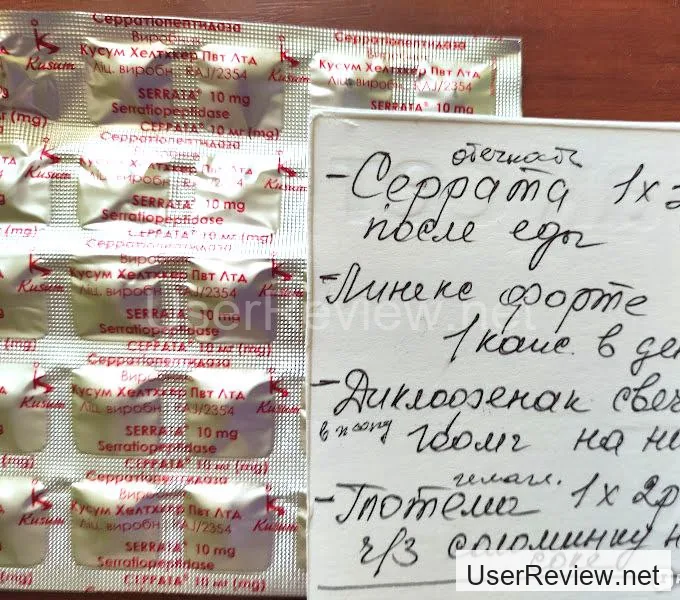
After each meal, I'd take some sertraline and go back to sleep, and my stomach would calm down. I was so weak, it was unbelievable.
I'd call this whole period the 'hinge phase' because you're eating – sleeping, walking as much as you can, and then sleeping some more. You're so weak you just want to sleep all the time, but you know you need to keep moving to avoid scarring.Before meals, I was taking iron supplements (to boost my hemoglobin), and at night, I was using diclofenac suppositories. By the second day, I'd stopped taking the pain meds. On the third day, I had a bowel movement, and I think it was thanks to the bifidumbacterin. To be honest, I was worried I'd be stuck in the hospital until they got a look at my stool. But I was lucky, and I got discharged on Friday, which was day three.They allowed me to wash the stitches in the shower, and I could eat whatever my stomach would tolerate, but it was still pretty limited. I was still on the 'hinge phase' at home, and my stomach was still pretty sensitive. The stitches weren't infected, but my gut was a bit of a mess after meals.
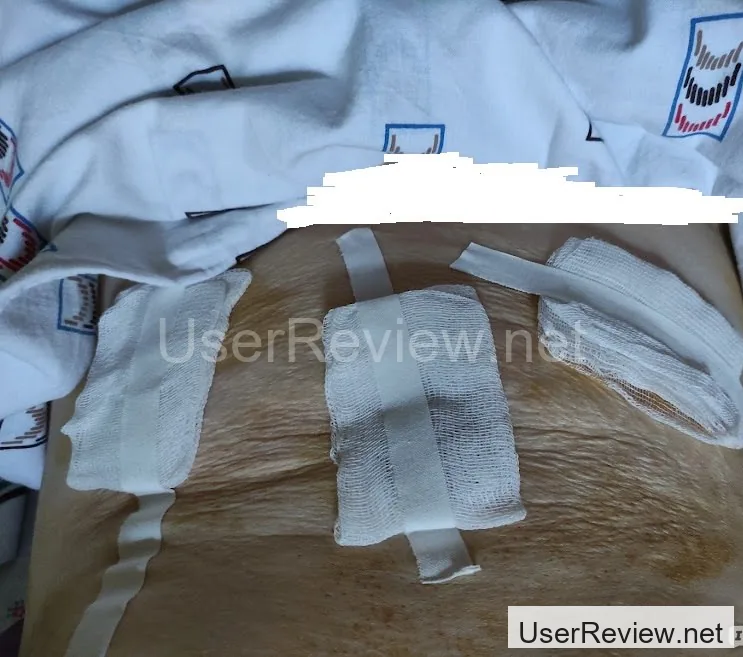
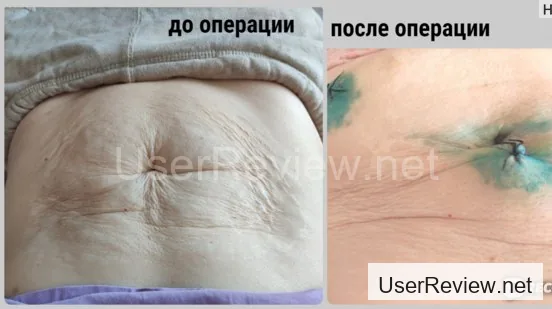
The hospital staff had applied green ointment to the stitches and covered them with a bandage and medical tape.
At home, I removed the bandage and washed the stitches under the shower. I didn't put a new dressing on them after that. The stitches were removed on day seven, but the third one was a bit tricky, so it took a bit longer to come out.Recovery after surgery
My gut started to feel normal around day five or six, and I could eat pretty much anything, but it was still a good idea to keep things light. I was starting to feel a bit stronger, and I could walk for longer periods, but I was still moving pretty slowly.
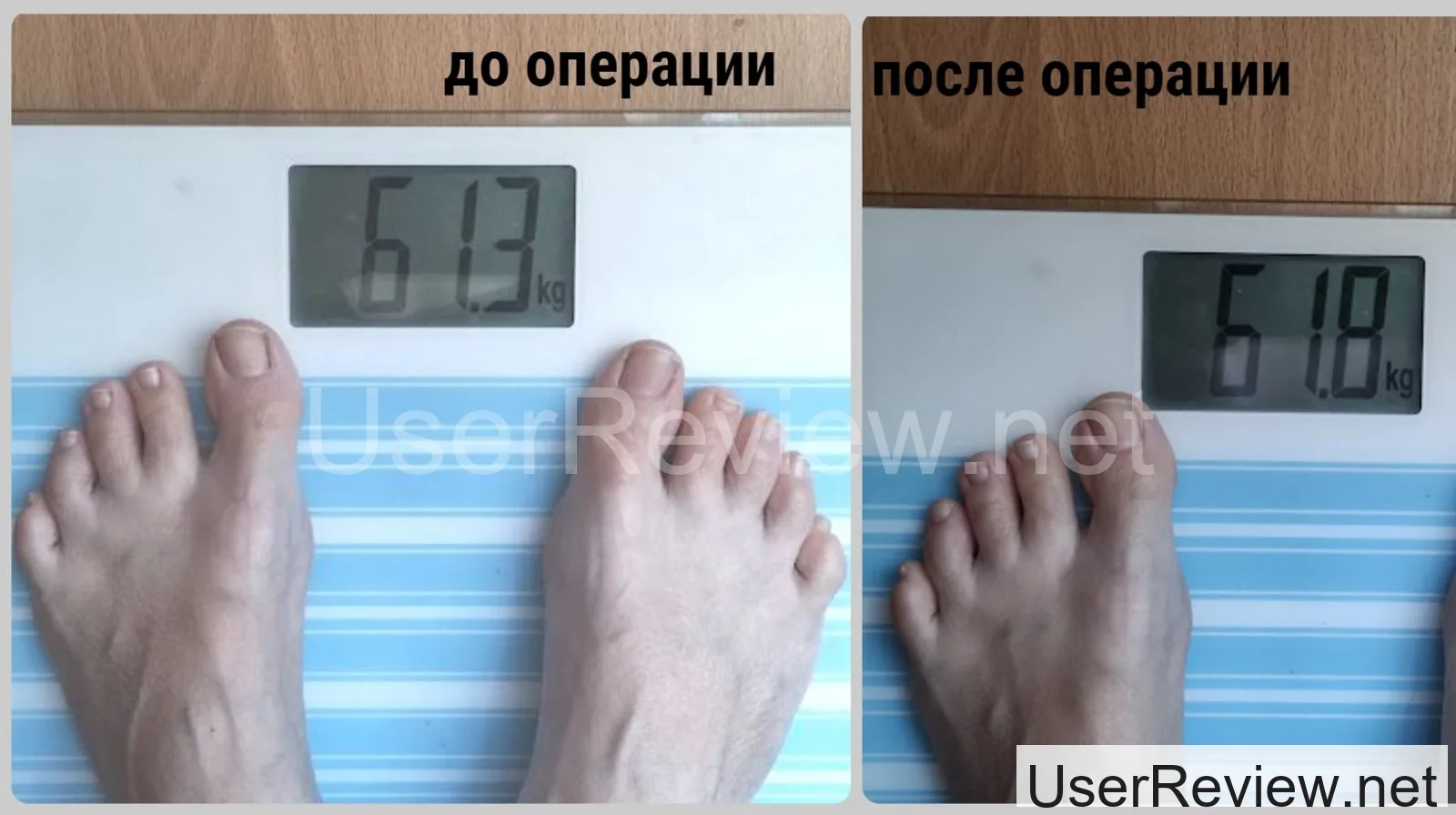
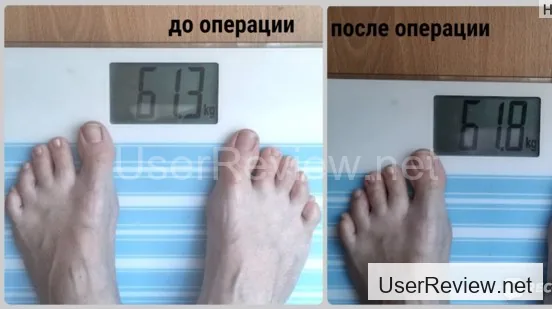
By day seven, I was on the scales, and I was shocked to see I'd gained almost half a kilogram. But then it started to drop, and by the end of the week, I'd lost a kilogram and was back down to 60.3 kg.
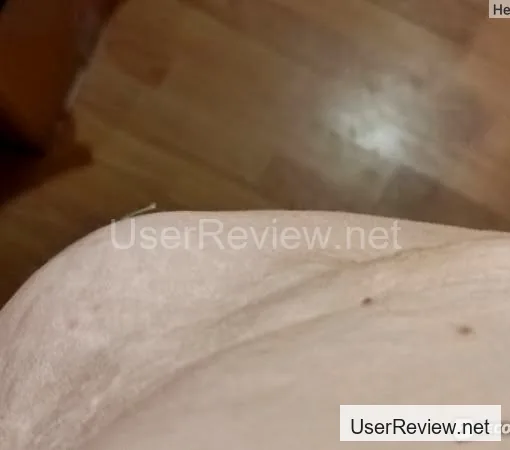
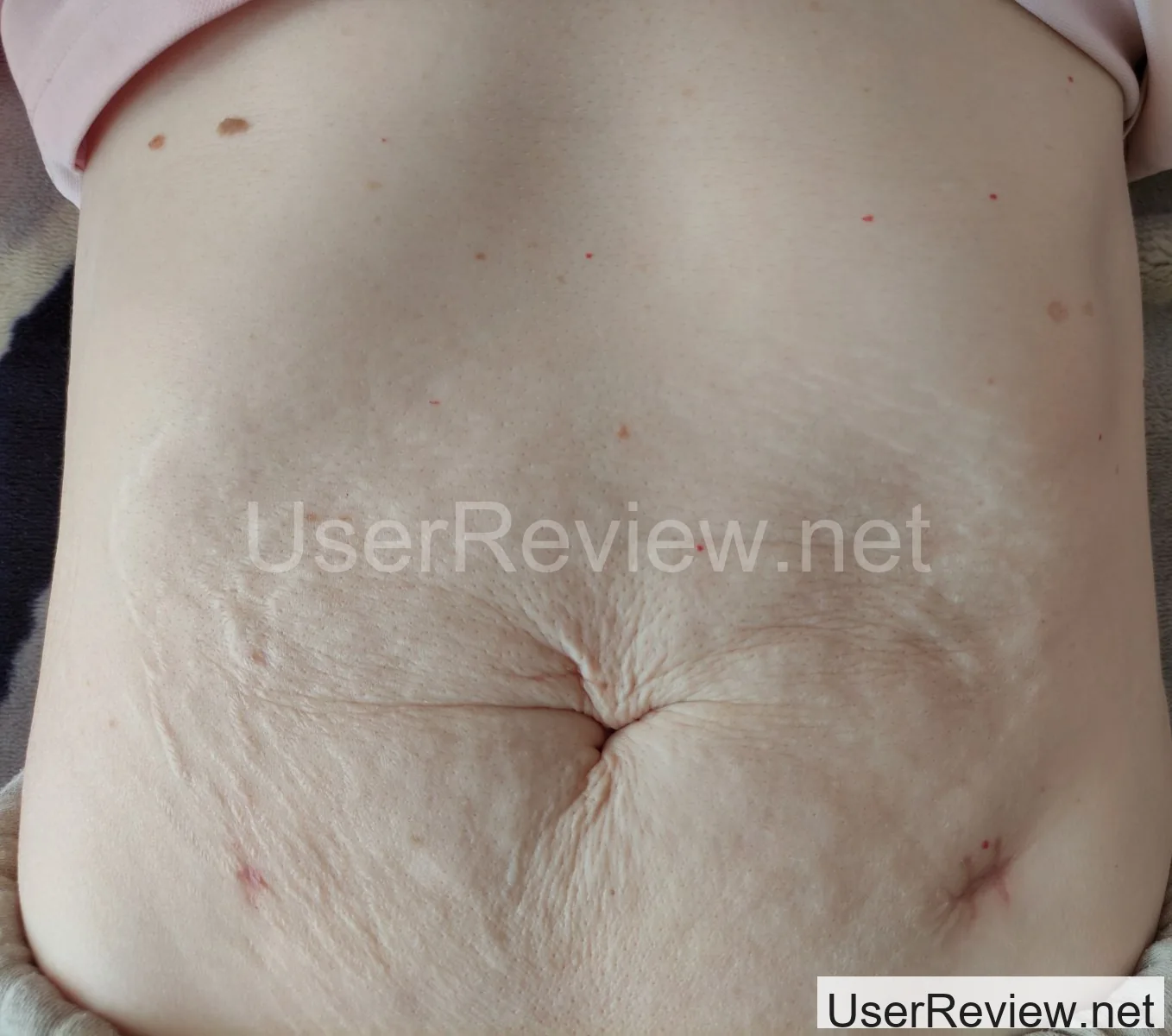
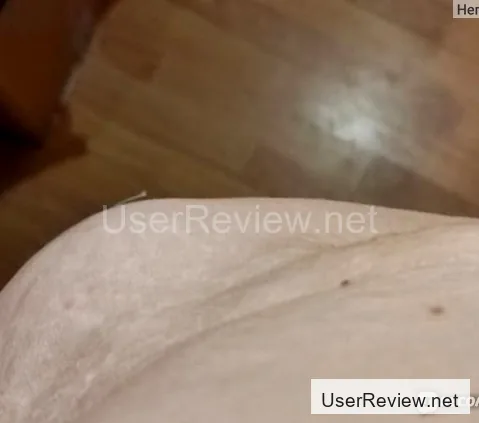
After the removal of my uterus, my stomach was protrudingOn day seven, I noticed that my stomach was softer on the right side, but on the left side, it was still quite prominent, like a chicken egg. It was firm to the touch, though. I was thinking maybe it was just gas, but I'd have to check it out.The doctor gave my bulge a good squeeze, and it was a bit uncomfortable, but he took a look at the stitches and said I could remove two of them, but I had to keep an eye on the third one for 14 days. I was like, what's going on? Is it a hernia? A hematoma? I was totally confused.
I started wearing a corset that I'd had since my last pregnancy and applying troxevasin to the bulge, as per the doctor's advice. It took a while, but the bulge eventually started to shrink. Two months on, and it's completely gone, and the stitches are even a bit indented now.
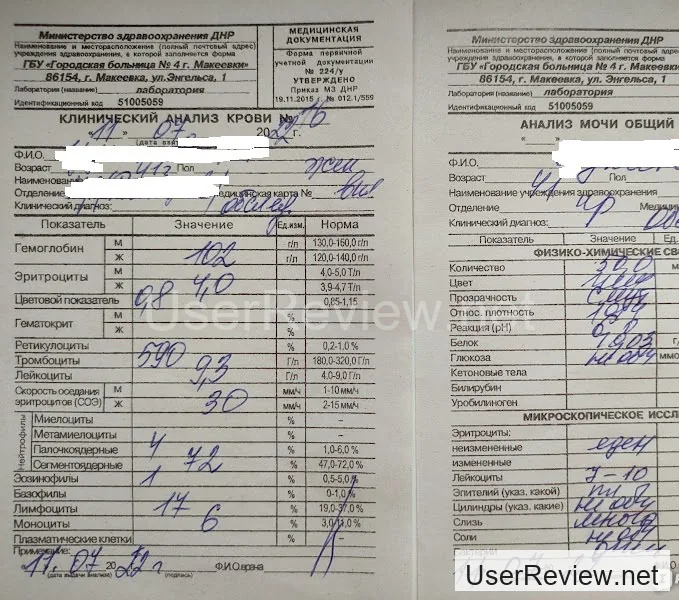
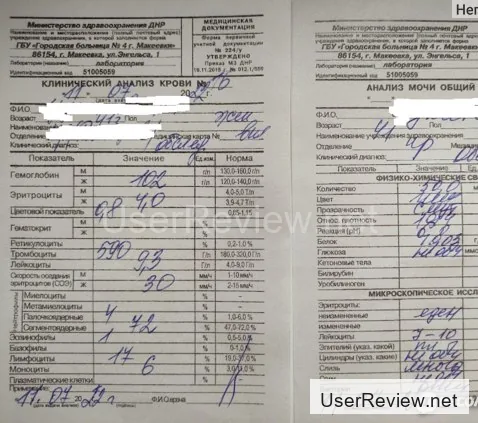
I was a bit worried about the two stitches near my belly button that got infected, but they didn't cause any issues.Over the past few weeks, I've had to get some blood and urine tests done. They were a bit of a stress, but my doctor reassured me that a bit of blood in my urine is normal after the surgery, and my white blood cell count will go back to normal soon.
I've been keeping an eye on my hemoglobin and platelet levels, and I've been taking my meds as prescribed, plus drinking a lot of cranberry juice and water. I'm not a big fan of water, but I've been trying to drink at least 1 liter a day.Two months after the surgery:
I was expecting to start my period, but it never came. Here's what's changed for me:
- My breasts don't get as swollen before my period;
- I get these weird hot flashes, so I use those to gauge when my period is coming;
- I still get some light discharge, but it's mostly clear, except for a few days a month when it's a bit brownish. My doctor said that's normal;
- In terms of PMS, everything seems to be back to normal – no mood swings, no cramps;
- My acne has actually gotten better;
- Sex is still normal, and I get some natural lubrication, and I can still orgasm;
- I don't feel like I'm going through menopause yet.
The Verdict
If anyone wants to know how I'm doing in a few months, I'll be happy to share. For now, I'm pretty happy with how things are going. My hemoglobin levels are back to normal, and I'm not bleeding all the time. I'm grateful that my doctor left my ovaries intact, so I haven't noticed any negative changes in my body. I feel more relaxed now that I don't have to deal with my period every month.
Everyone has to decide what's best for themselves – whether it's medication, hormone therapy, or a hysterectomy. Don't think that your life will be over after the surgery – mine's actually just getting started. Don't get discouraged, and trust that things will get better after the surgery.