
A Budget Liner That Surprisingly Delivers
add_circle الإيجابيات
- It's waterproof, so you don't have to worry about your artwork getting ruined
- The brush option is great for covering large areas
- It's super easy to use, even for intricate designs
- The ink flows smoothly, without any skips or blobs
- It's affordable, without sacrificing quality
remove_circle السلبيات
- The tip can get a bit scratchy after a while
- It's not as dark as some of the other liners I've used
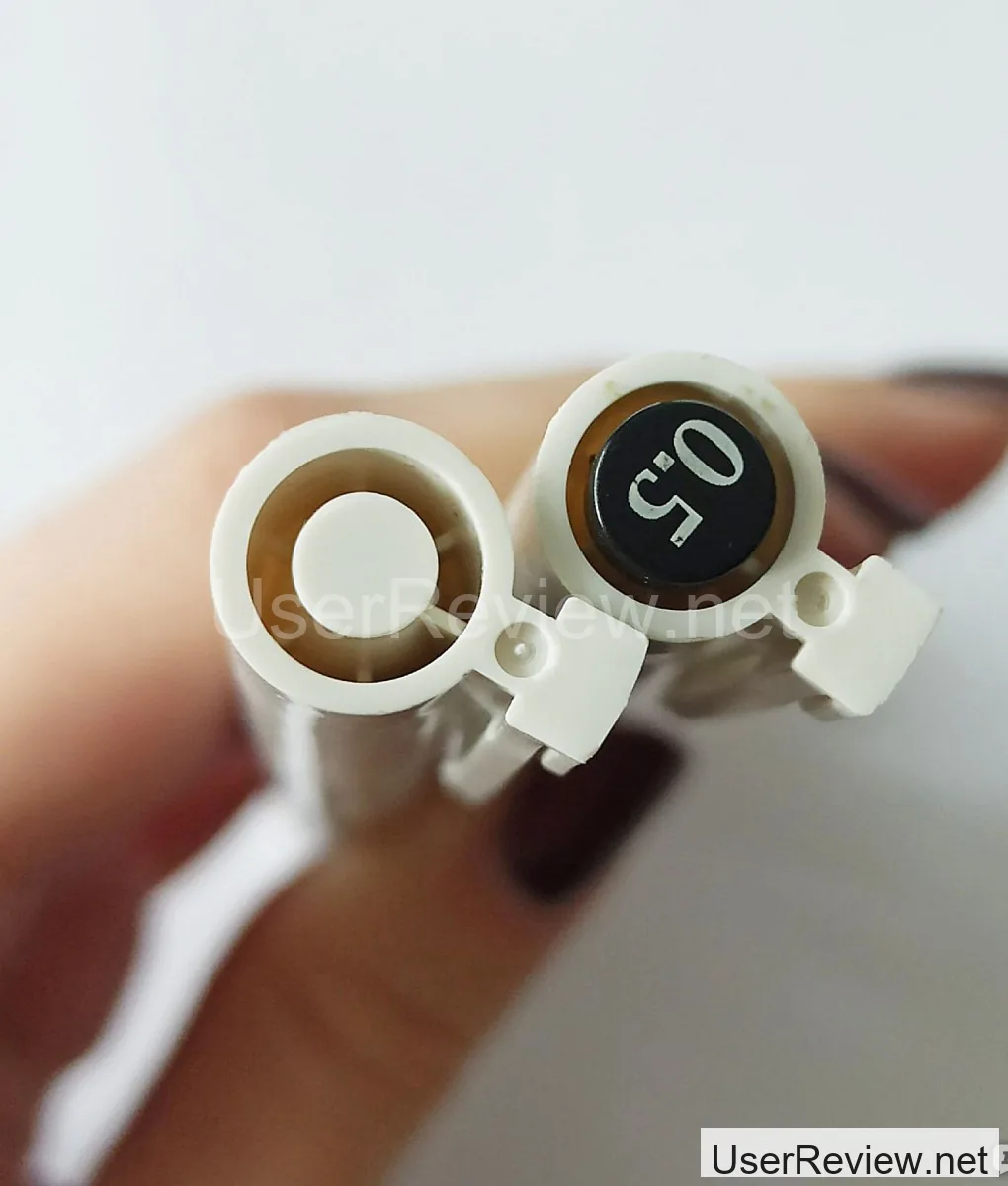
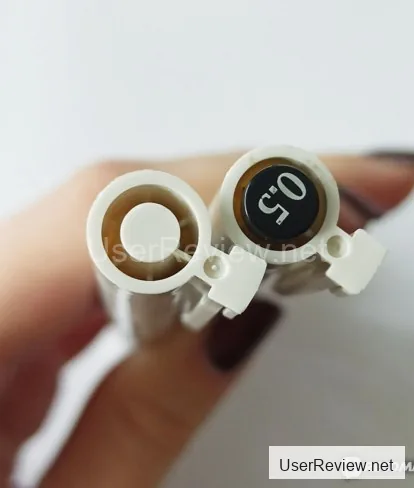
- The cap can be a bit finicky to put back on
- It's not as durable as some of the higher-end options
- The eraser can be a bit harsh on the paper
المعرض
Editor's Summary
I've been using liners for over a decade, and this budget-friendly option has really impressed me. It's waterproof, which is a total game changer - no more ruined artwork! The brush option is also awesome for covering large areas. Plus, it's super easy to use, even for intricate designs.
Specifications
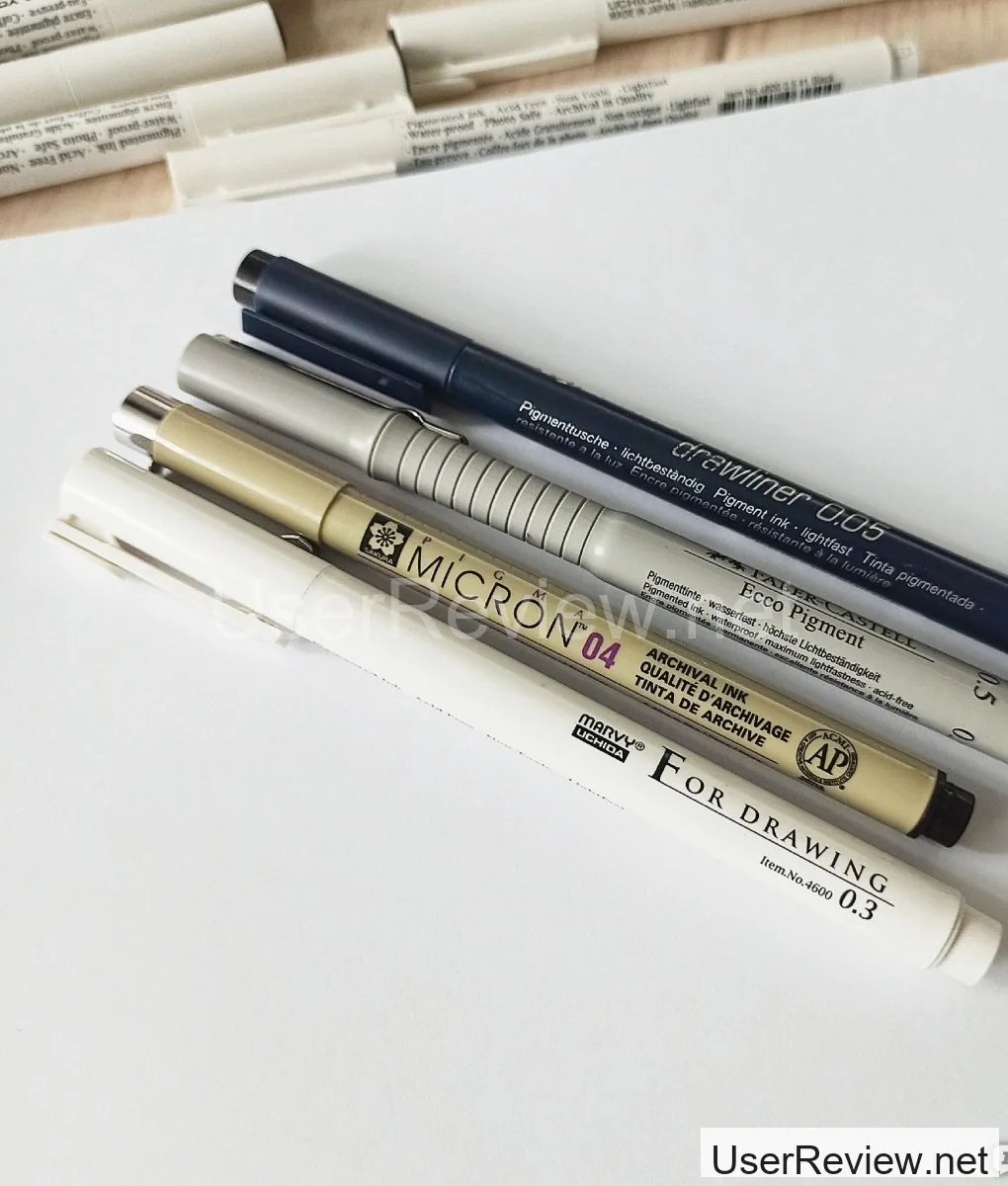
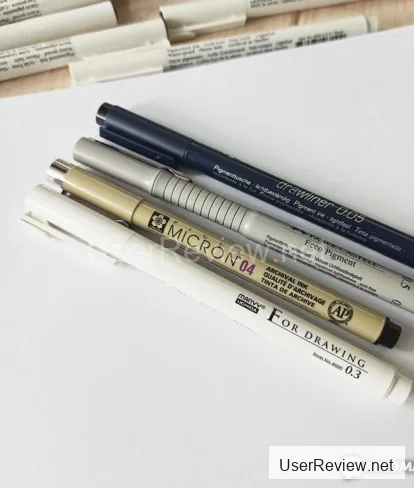
I've been drawing with liners for over a decade, and I've tried my fair share of brands. Stabilo, Faber-Castell – you name it.
Back in the day, I used to buy liners by the dozen. My first ones were Marvy, and I thought they were great. But the latest ones I bought? Not so much.
I started with Marvy because they were affordable. In 2010, liners weren't as popular, and I didn't have the budget for Faber-Castell. Marvy liners were around 80 rubles back then.
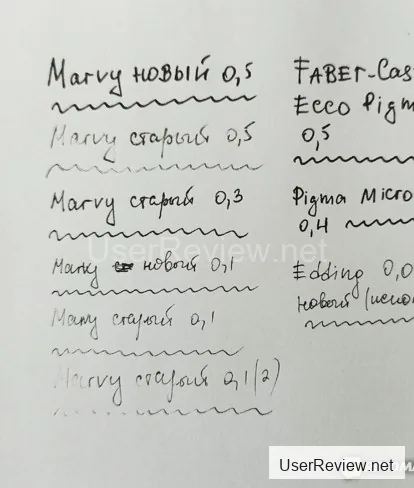
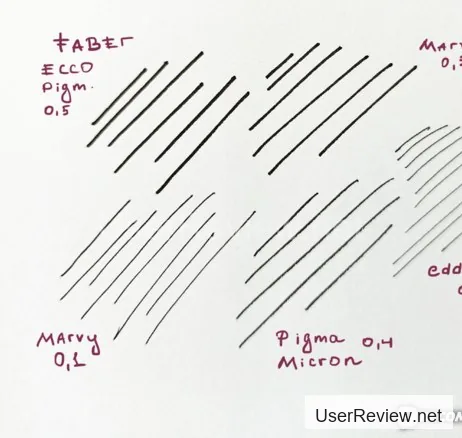
Marvy liners stood out for being the darkest, and they even had a Brush option that made it easier to cover large areas. Plus, they lasted longer than the others I mentioned.
And, of course, they're water-resistant too.
But I've had my fair share of issues with them.
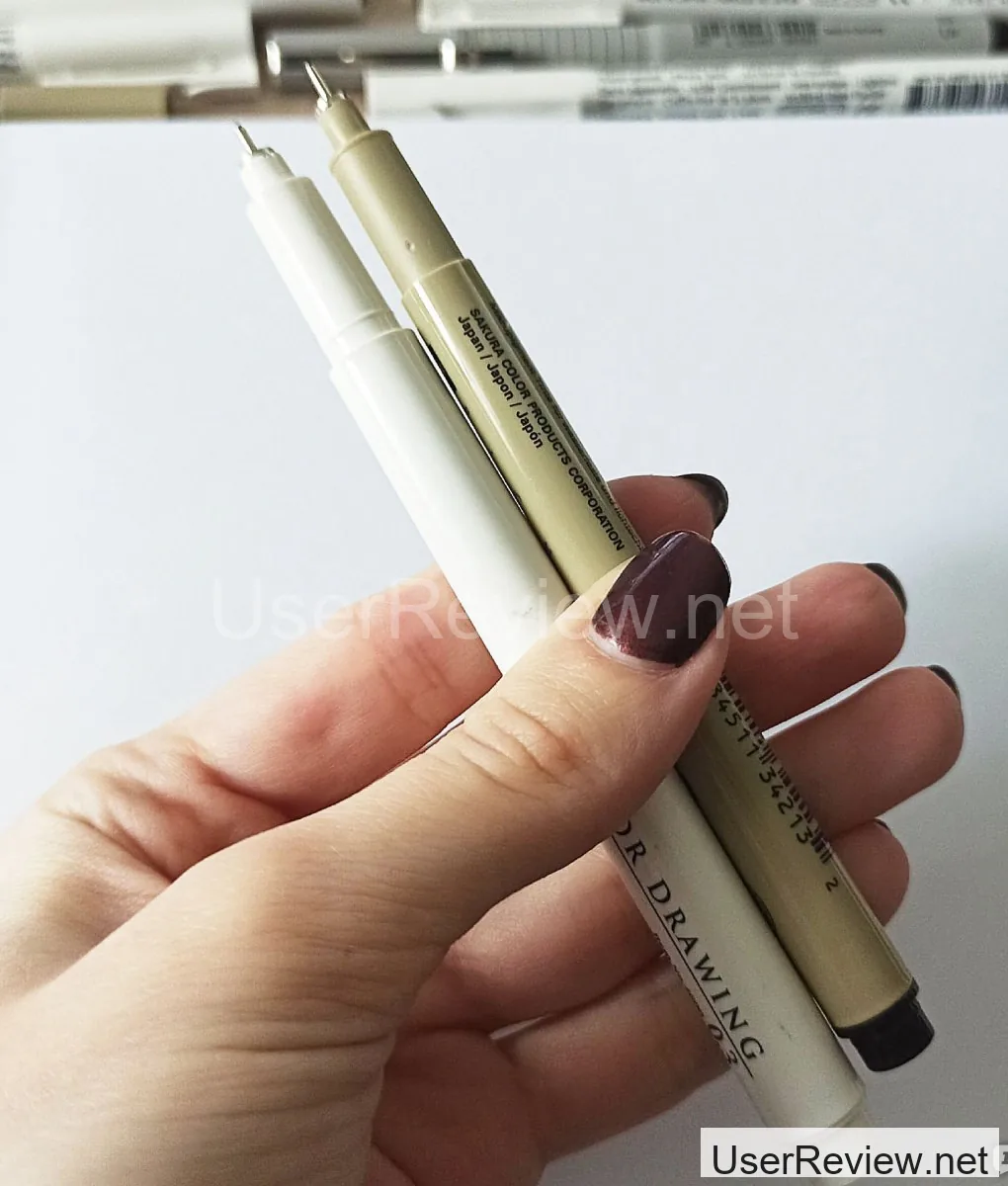
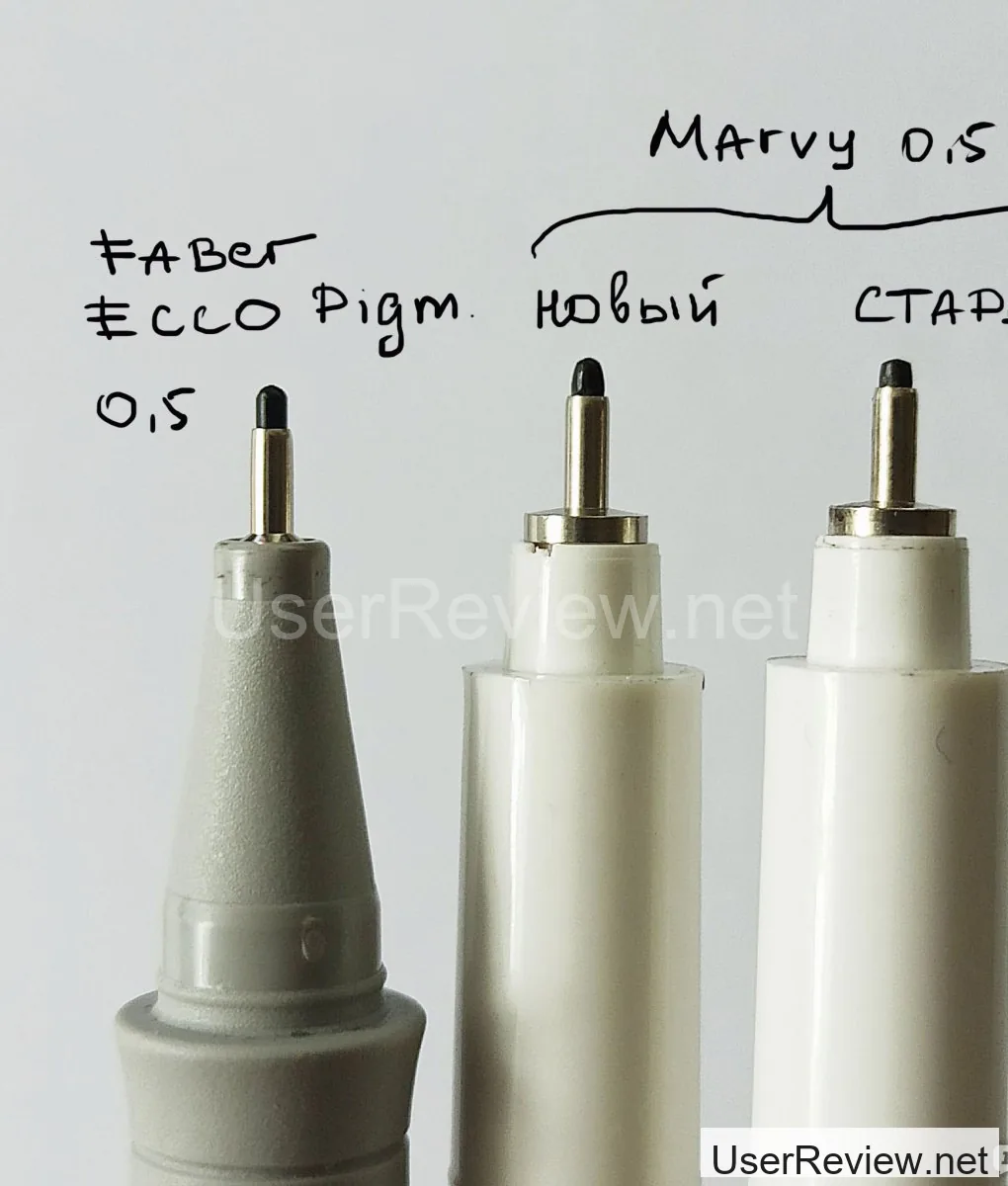
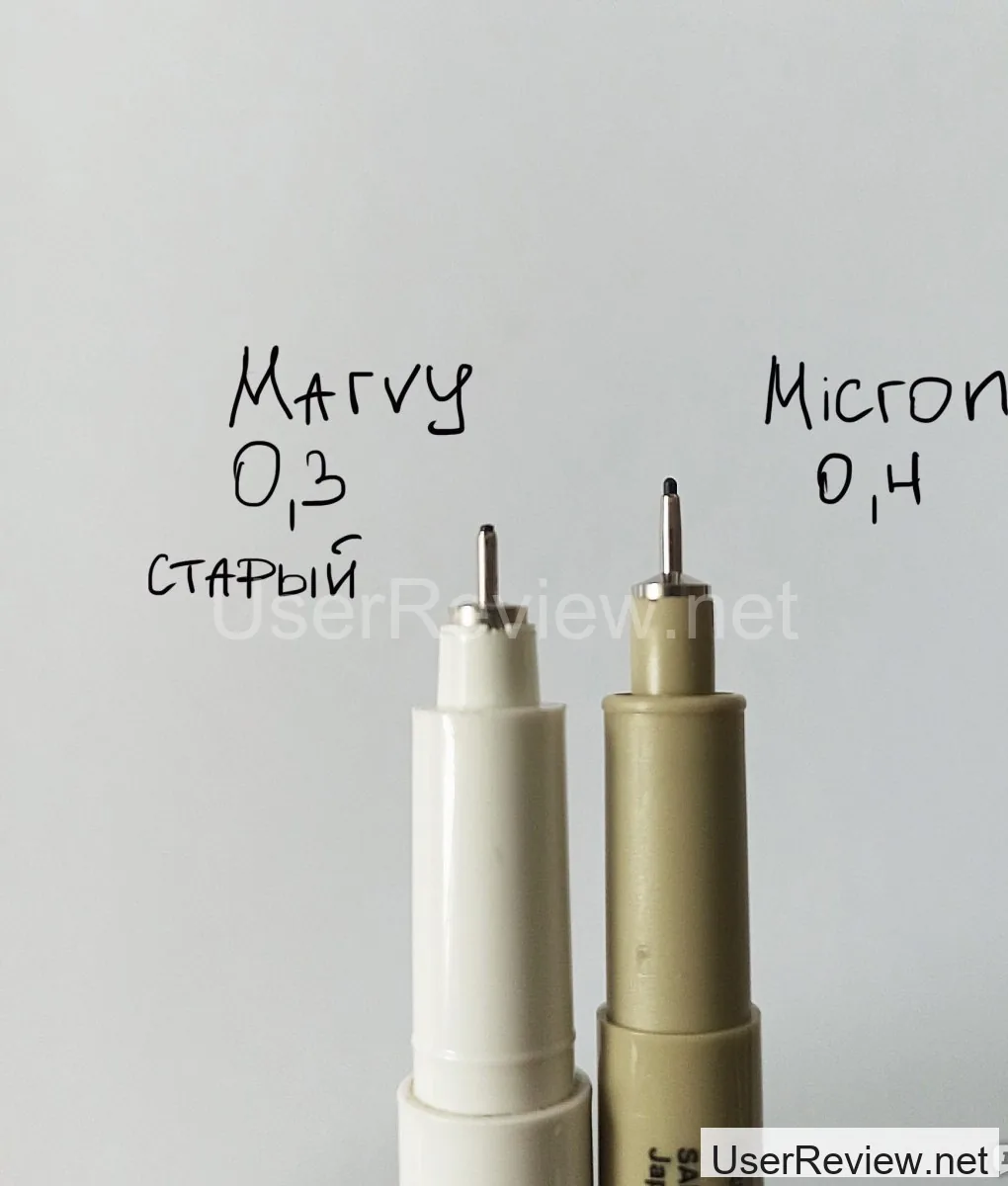
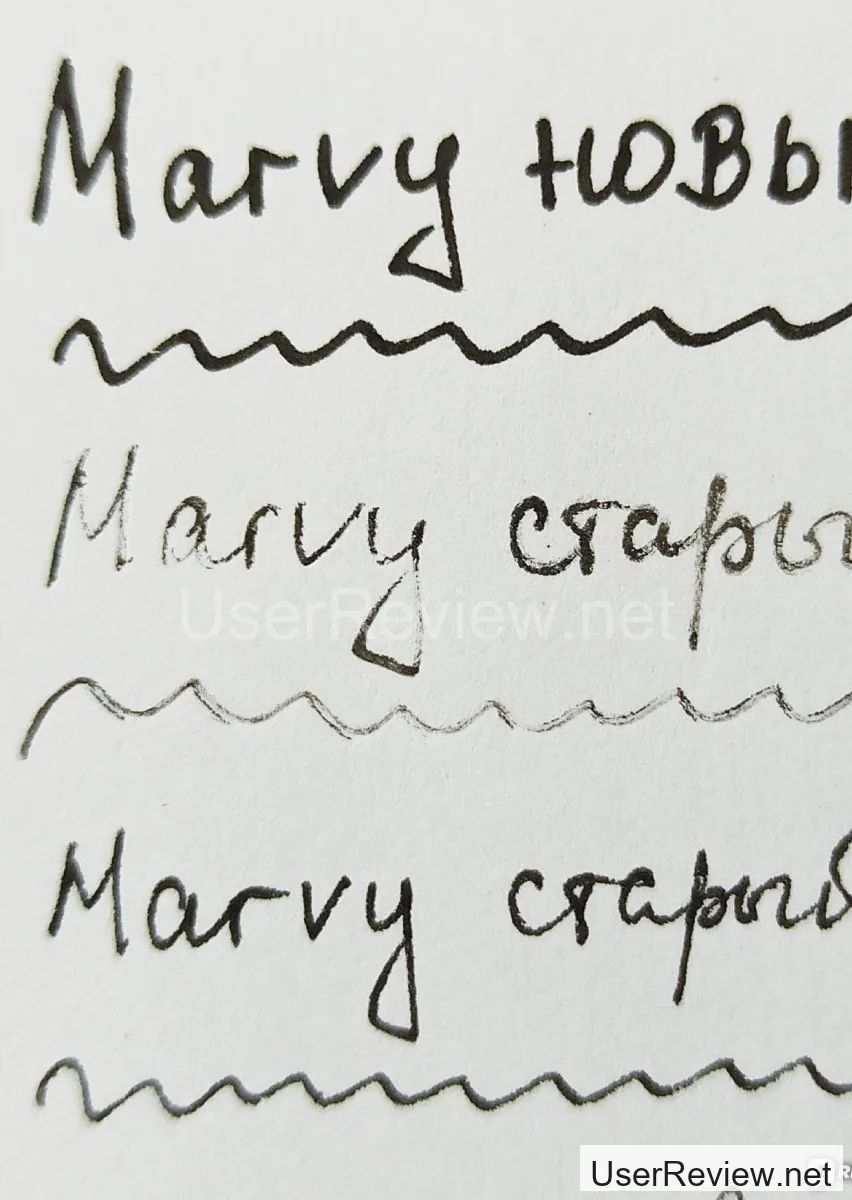
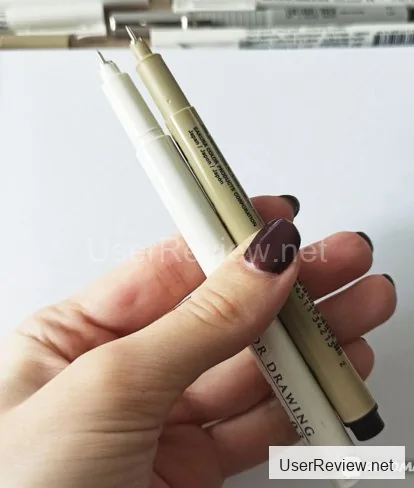
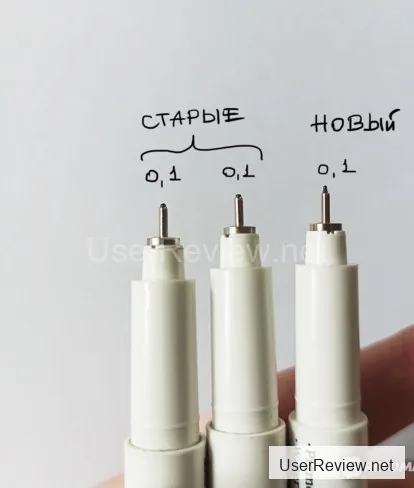
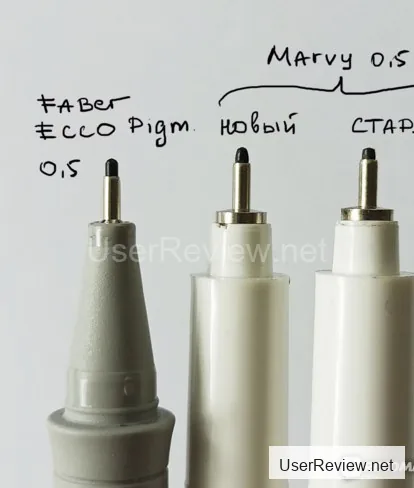
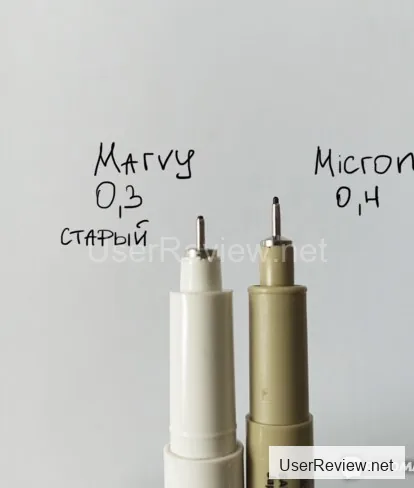
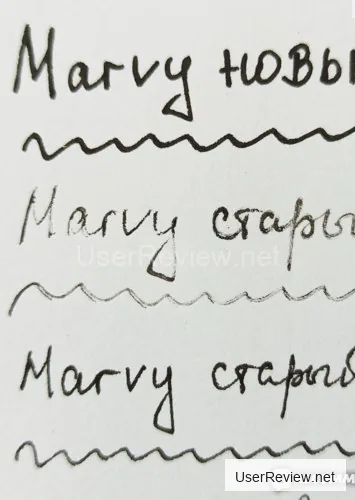
When the ink starts running out, the tip dries out, and the line becomes wobbly. And, to make matters worse, the tip becomes 'wooden' and starts to scratch the paper. You have to hold it at a precise 90-degree angle to avoid this, and that gets old fast.
The angle at which you can hold the pen relative to the paper is more restricted with Marvy. I didn't know that back then, but now I do.
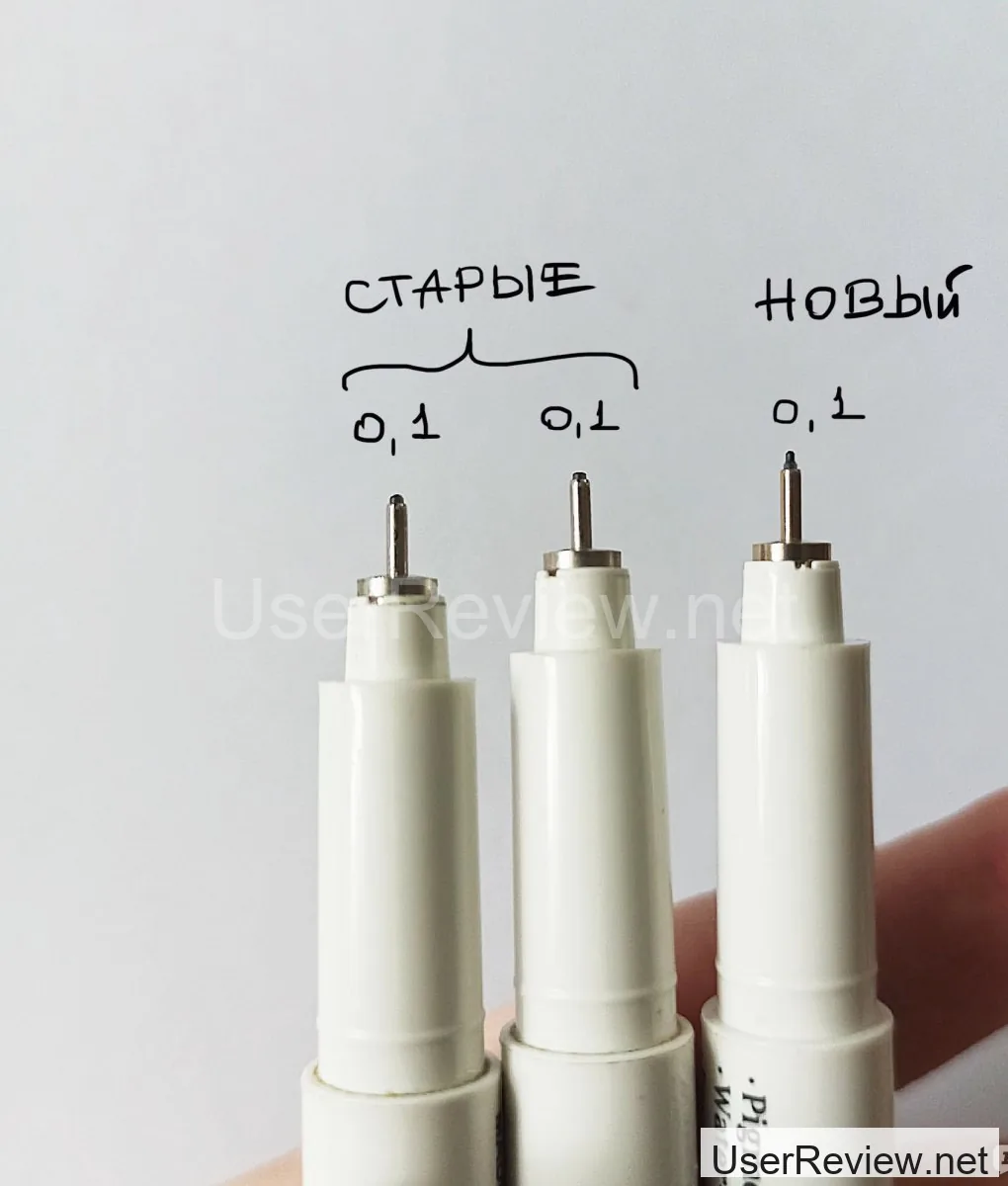
Another thing I've noticed about Marvy liners is that the tip wears down quickly. Even on textured paper, it wears down just as fast as it does on smooth paper. I'm not applying too much pressure, but it's still a pain.
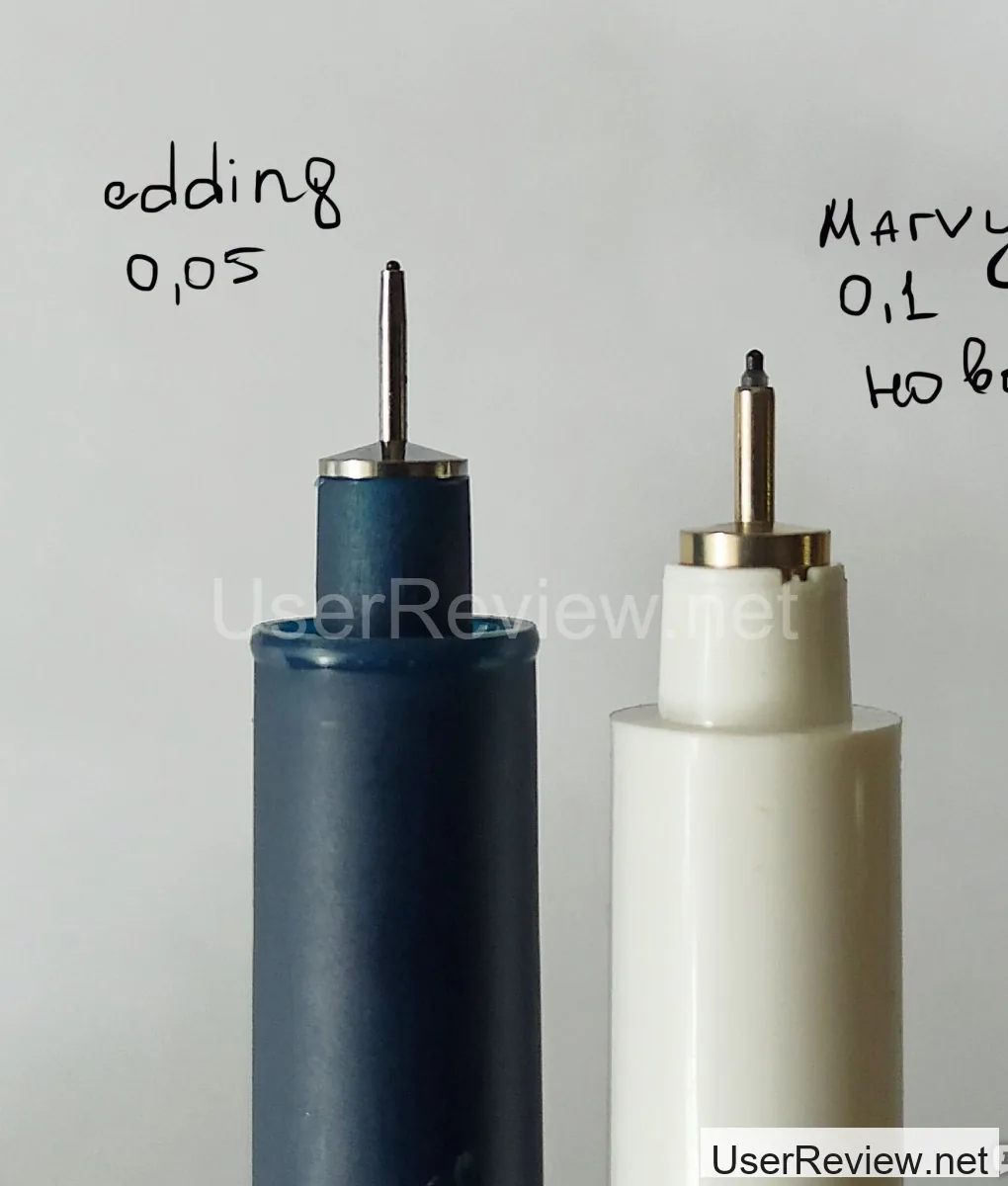
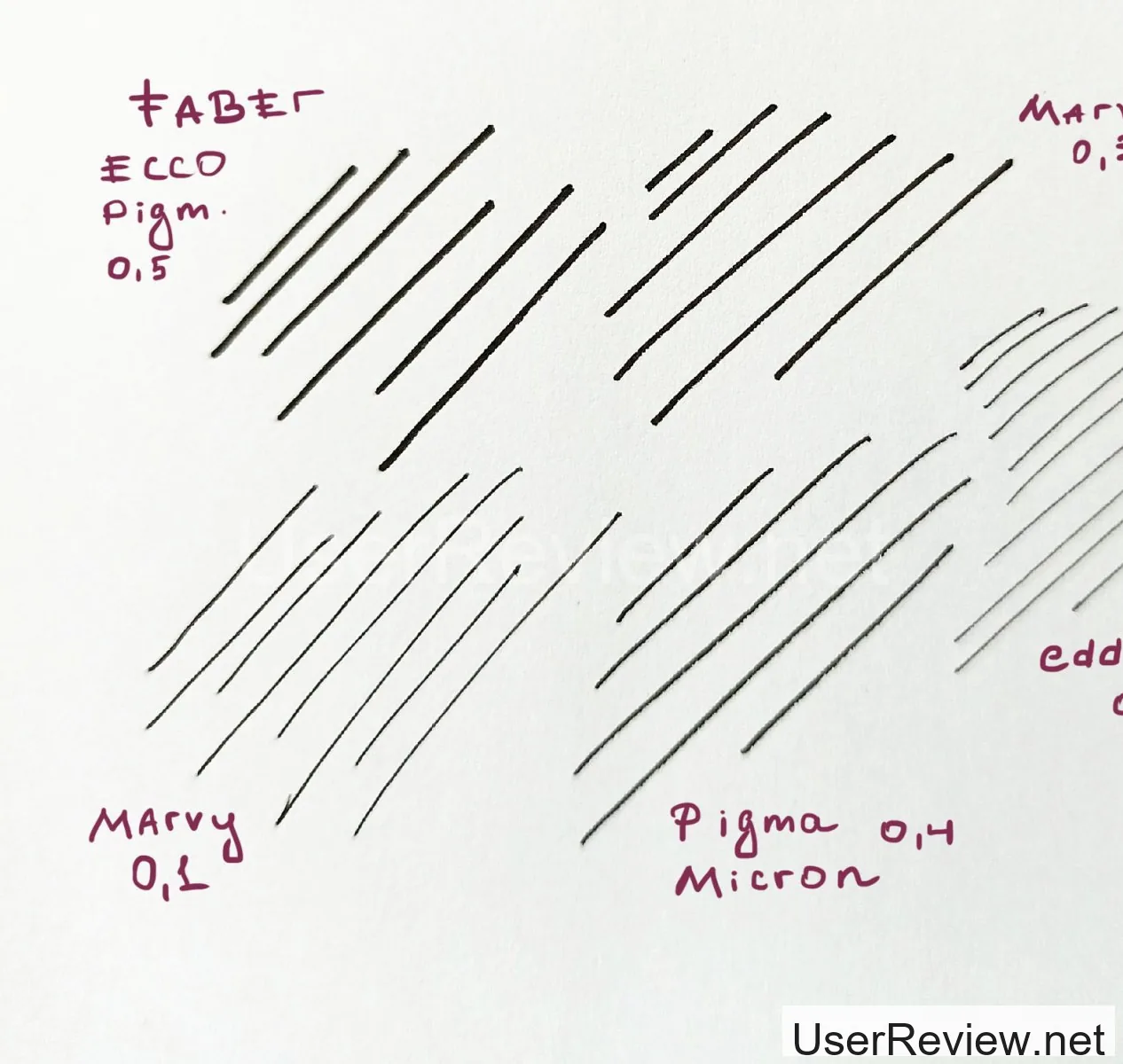
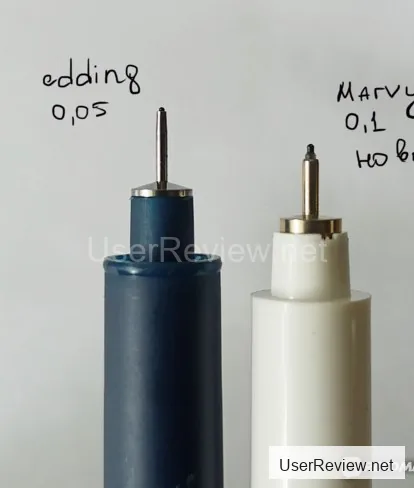
I was surprised by how well edding pens stacked up against Marvy, but I only recently got to try them out. Still, edding pens aren't exactly water-resistant.
And yeah, I've learned that Faber pens are actually darker than Marvy, but it's not something that jumps out at you in regular use. That's not a deal-breaker for me, though.
I wanted to mention the Brush a bit. I haven't bought one in ages, but I used to get them all the time. The tip starts to dry out over time, and it gets super frizzy. But the ink inside is still good, so it's a shame to throw it away. I just trim the tip down to size – it's perfect for filling in large areas.
Nowadays, I wouldn't want to buy them again because it's a pain to use them. The tips are just so finicky. But I try to get as much use out of them as possible, since it's not great for my hands and wrists.
One thing that does help is storing the almost-dry ones in a cup (with the writing nib facing down), which slows down the drying process a bit.
For sketching and testing out, these liners are actually pretty great, especially if you're on a budget. I mean, it's a Japanese brand, the ink is water-resistant... you just have to try them out for yourself. I'd definitely recommend giving them a shot.
I hope this review helps you out with your decision. When I first started using liners, there just wasn't much info out there, so I had to try everything out for myself.
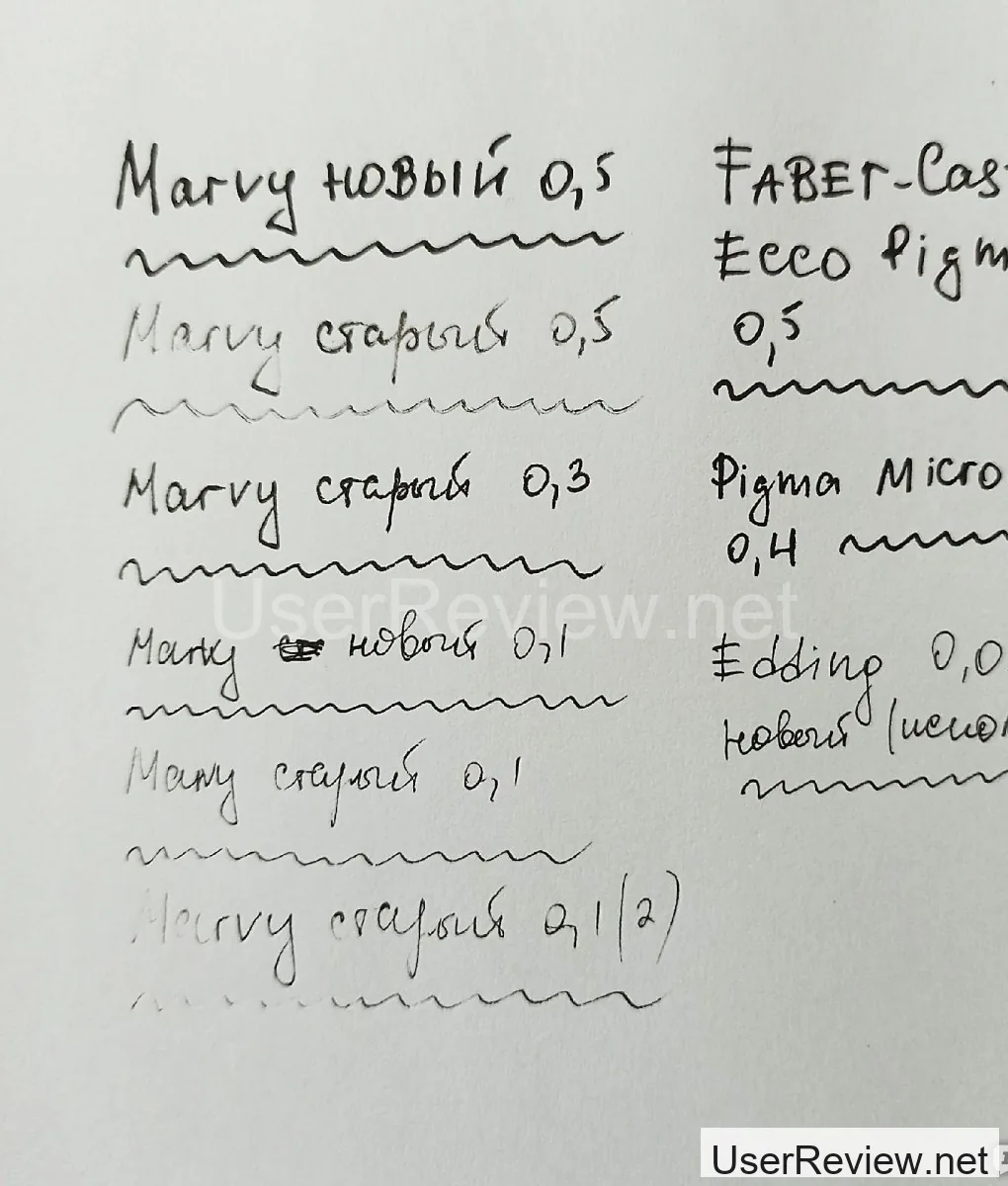
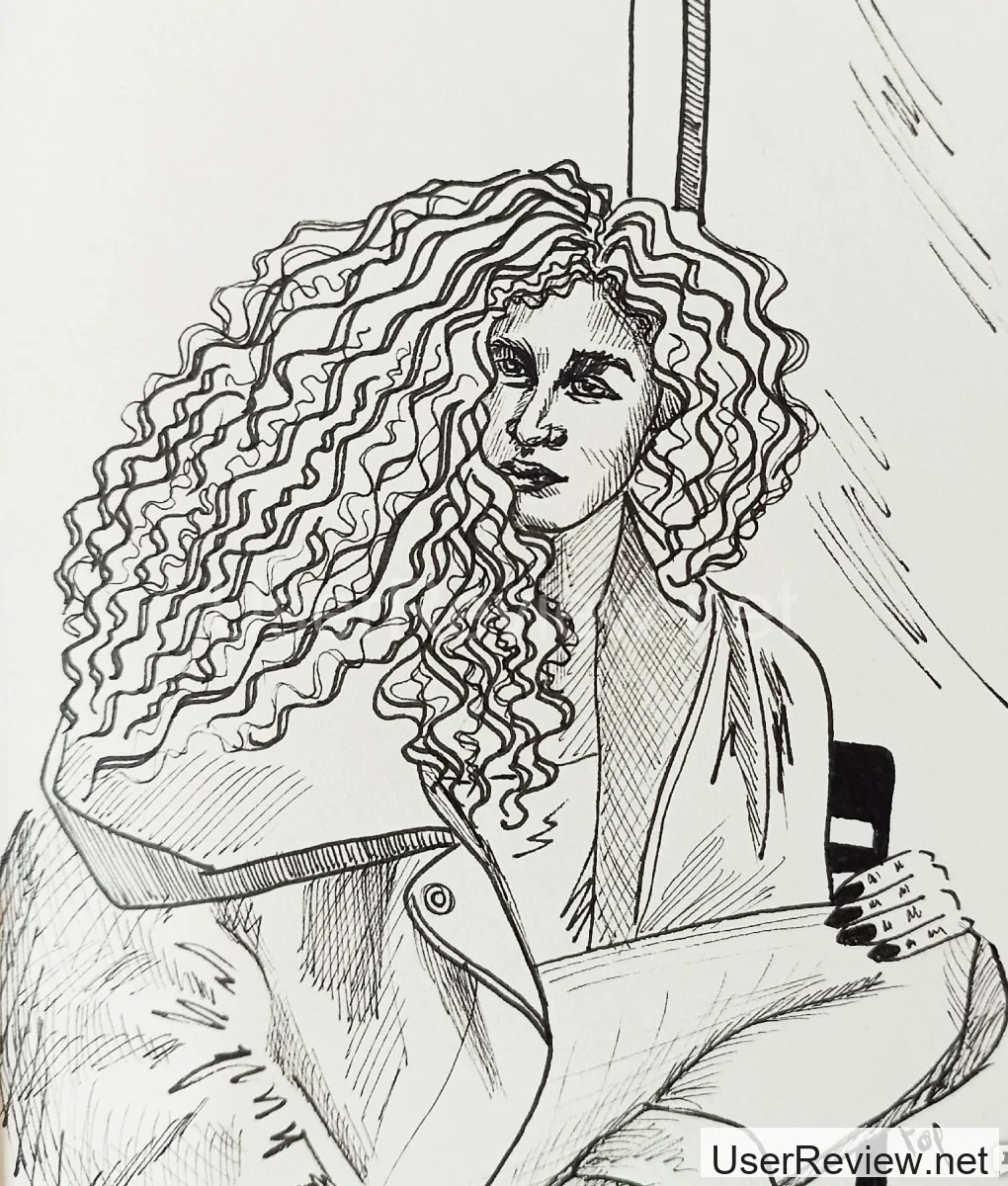
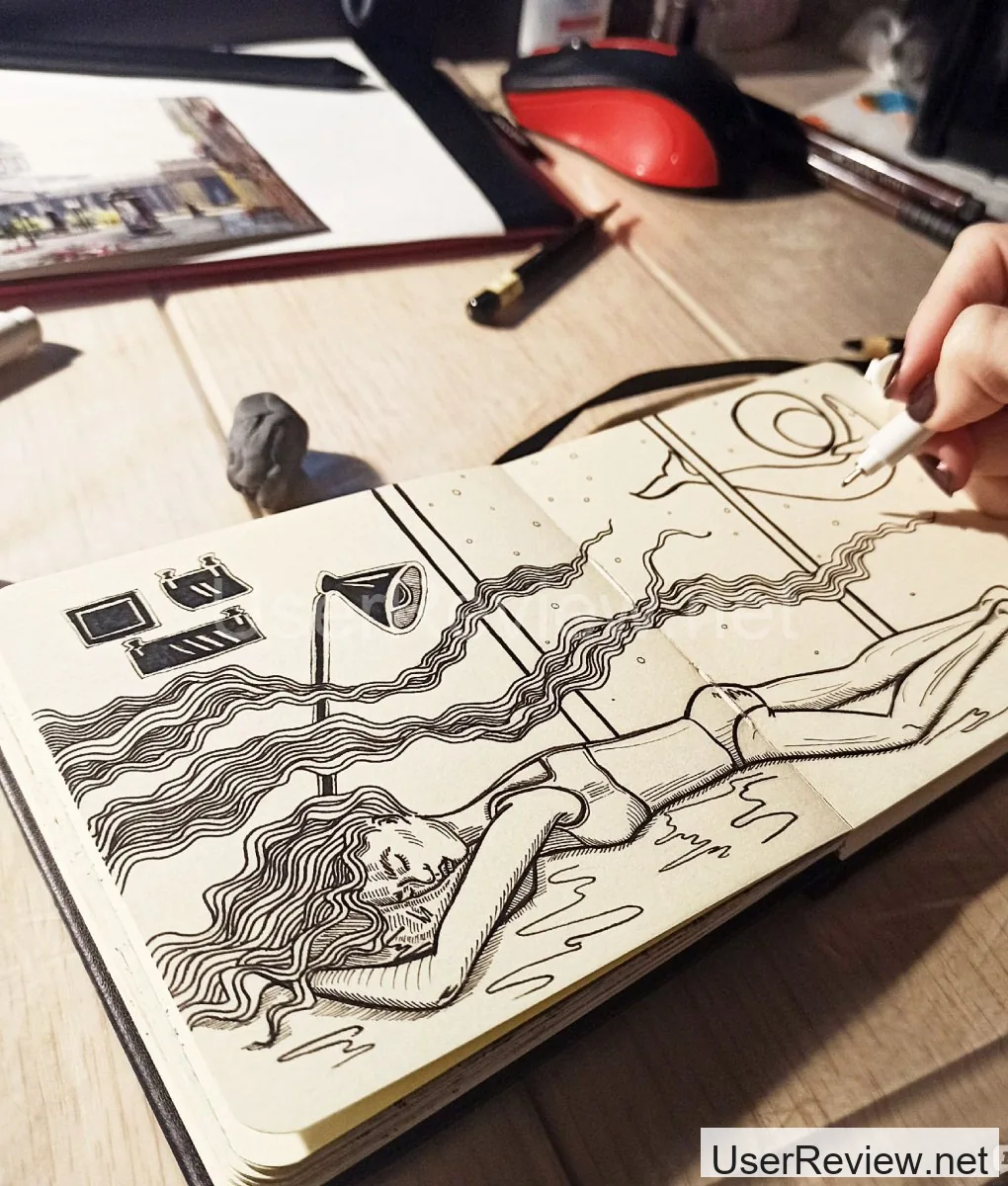
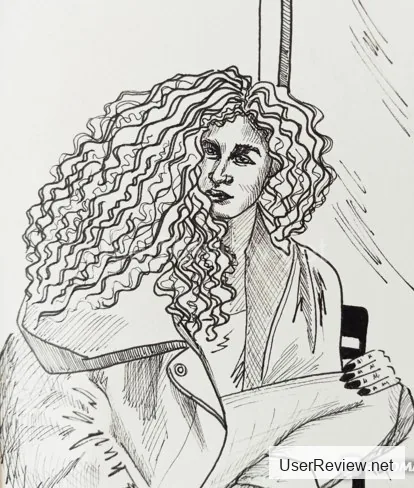
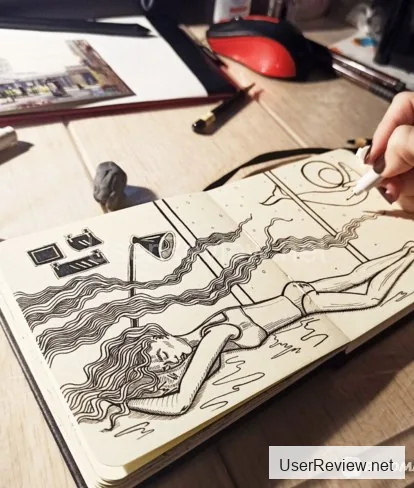
And here are a couple of recent sketches I did with both the new and old, almost-dry Marvy liners.
Thanks for reading, and I hope you have a great day, artist!You can check out my review of Faber-Castell liners here