
Half-Life 2: A Sci-Fi Masterpiece
add_circle الإيجابيات
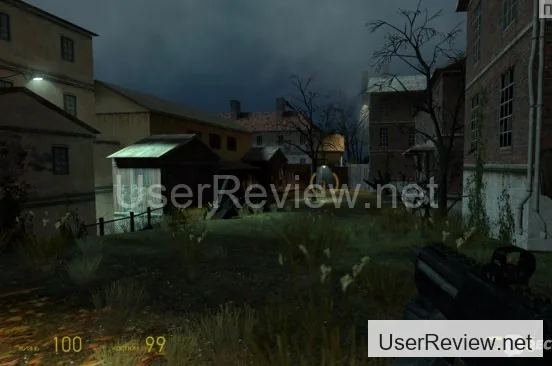
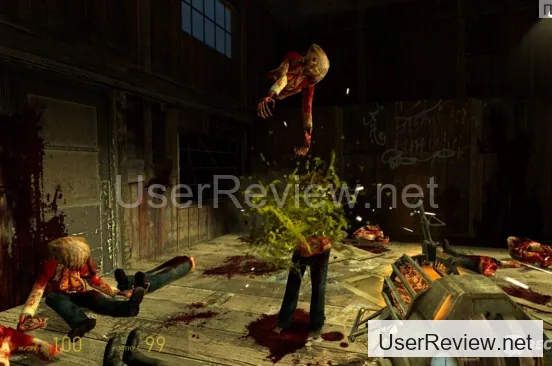
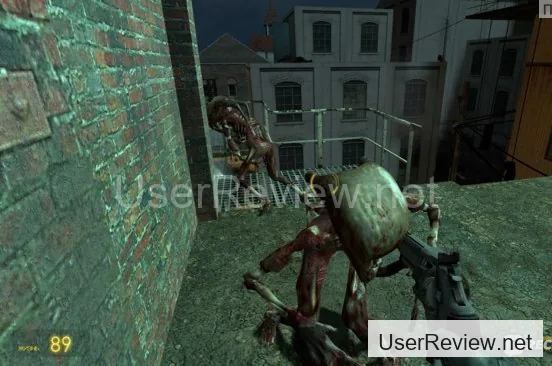
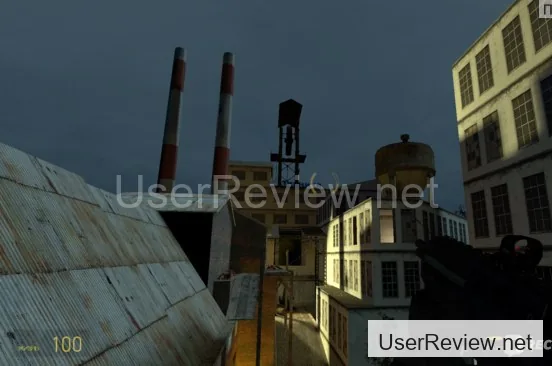
- The game's attention to detail is mind-blowing, from the intricate environments to the nuanced character models.
- The sound design is seriously impressive, with a haunting soundtrack that perfectly complements the game's dark atmosphere.
- The physics engine is a total game-changer, allowing for realistic interactions with the environment that add to the overall sense of immersion.
- The game's storyline is engaging and well-paced, with a narrative that's both thought-provoking and emotionally resonant.
- The game's visuals are stunning, with detailed textures and lighting that bring the game's world to life.
- The game's mechanics are diverse and well-executed, with a variety of gameplay elements that keep the experience fresh and exciting.
remove_circle السلبيات
- Occasionally, the game's scripts can feel a bit wonky, leading to some frustrating glitches and bugs.
- The lack of a 3D model for the protagonist can be a bit jarring at times, especially in cutscenes.
- The game's difficulty can be a bit uneven, with some sections feeling overly challenging and others feeling too easy.
- The game's length can be a bit of a mixed bag, with some players feeling that it's too short and others feeling that it's too long.
- The game's multiplayer component can be a bit lacking, with some players feeling that it's not as robust as other games in the genre.
- The game's ending can be a bit confusing, with some players feeling that it's not as satisfying as they'd hoped.
المعرض



Editor's Summary
Half-Life 2 is a game-changer in the FPS genre, offering a richly detailed world, engaging storyline, and immersive gameplay. With its stunning visuals, top-notch sound design, and realistic physics engine, it's a must-play for any gamer. But, like any game, it's not without its flaws – and I'll get into those below.
Specifications
Wake up, Mr. Freeman... or so I thought. The screen flickers back to life, and there's a guy in a dark grey suit making an offer you can't refuse - and that means the Half-Life saga continues. I mean, the previous game was an instant classic, but it got slammed for lacking darkness, a fantastical world, and a secondary storyline. Plus, the character models were cookie-cutter. Meanwhile, the competition wasn't sleeping. Ion Storm dropped two parts of Deus Ex, that anti-utopia game, in no time. Rebellion Development and Monolith brought their own takes on the epic showdown between aliens and hunters, two years apart. With Gray Matter's push, Agent BJ Blaskowicz went undercover in Wolfenstein Castle. It was only a matter of time before the guy behind Half-Life forgot about a character like Dr. Freeman, who was already considered a must-have for Counter-Strike, existing solely for the engine. But with the start of the 21st century, the FPS genre had another resurgence, and games like Unreal 2 flew under my radar - along with thousands of other users. But Valve was ready for the big changes.
2004 was a landmark year for the big three first-person shooters - Half-Life 2, Doom 3, and Far Cry. Valve, Id Software, and Crytek's creations showcased innovative graphics engines with massive capabilities, just around the time the computer press started hyping up Gordon Freeman's improved portrait and his new partner, Alyx Vance, promising a level of cinematic quality we'd never seen before. Of course, the beta version had leaked to testers in 2003, so the most impatient folks could get a sneak peek at the graphics and functionality of Half-Life 2 before the official release. But those were scattered maps that didn't give away the plot. The real showstopper was the storyline.
Gordon wakes up to a familiar face
One of the most iconic game developers, Marc Laidlaw, is behind the Half-Life 2 script, which he also worked on for the first part. I've gotta say, the original Half-Life was a pretty standard sci-fi action game. You had this research facility called Black Mesa that had a major incident, and suddenly, these hostile creatures from the world of Xen were breaching Earth's defenses. To contain the damage and cover up the whole catastrophe, special forces were sent in to the facility. And then, you had this young theoretical physicist, Gordon Freeman, who had to fight on two fronts - taking down monsters and protecting his scientist colleagues from the military. It was a pretty interesting premise, but the next time around, players were like, 'Hey, we want more.' They wanted detailed character portraits, a more realistic setting, more dialogue that built up the dramatic atmosphere, and a catastrophe that had global consequences. That's exactly what Half-Life 2 delivers, set in a dystopian future where the portal storms from Black Mesa continue to wreak havoc, the local fauna has been altered by the Xen creatures, and an alien alliance called The Combine has taken over, with a puppet leader in the form of Dr. Breen, a former Black Mesa employee.
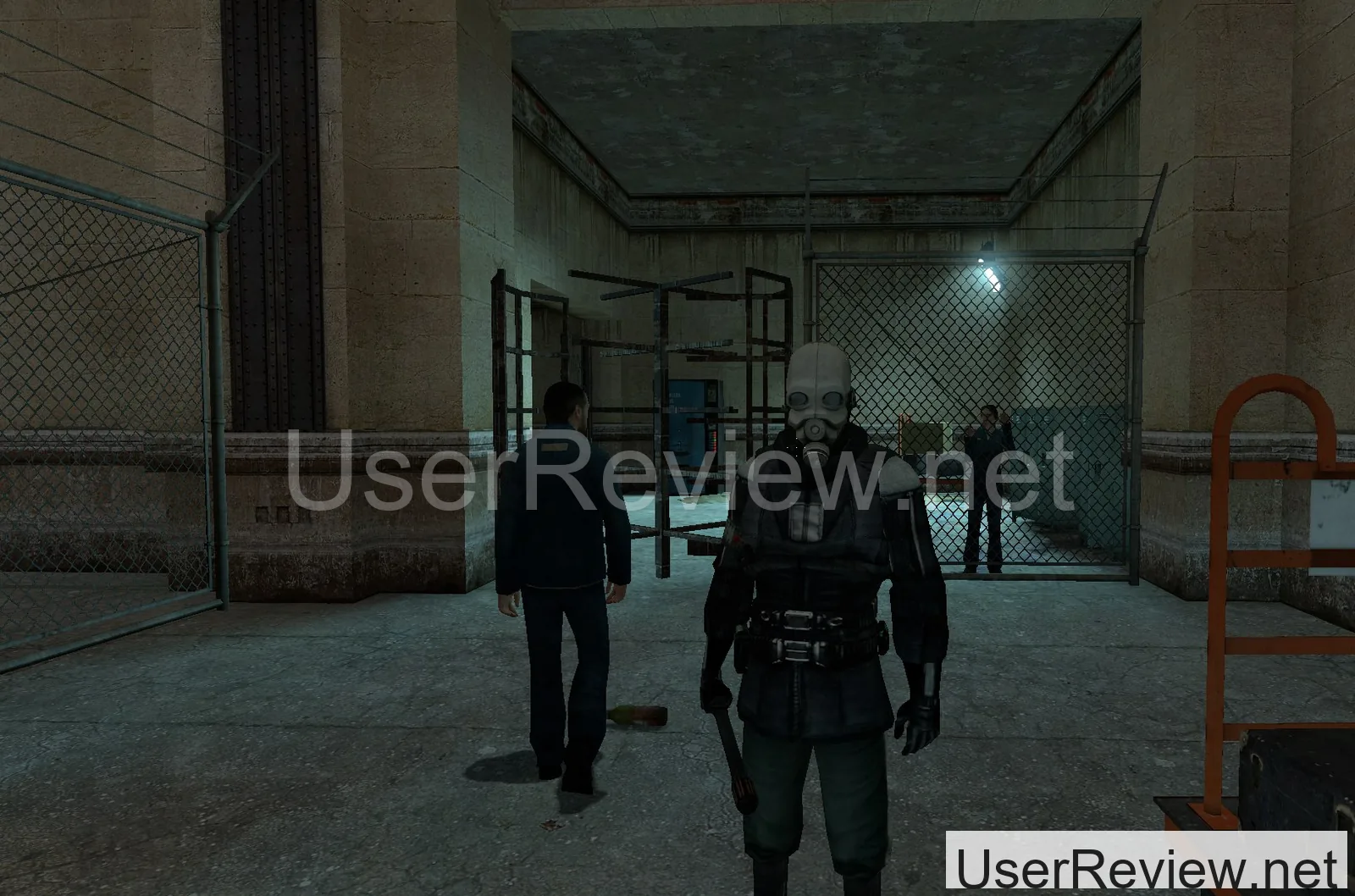
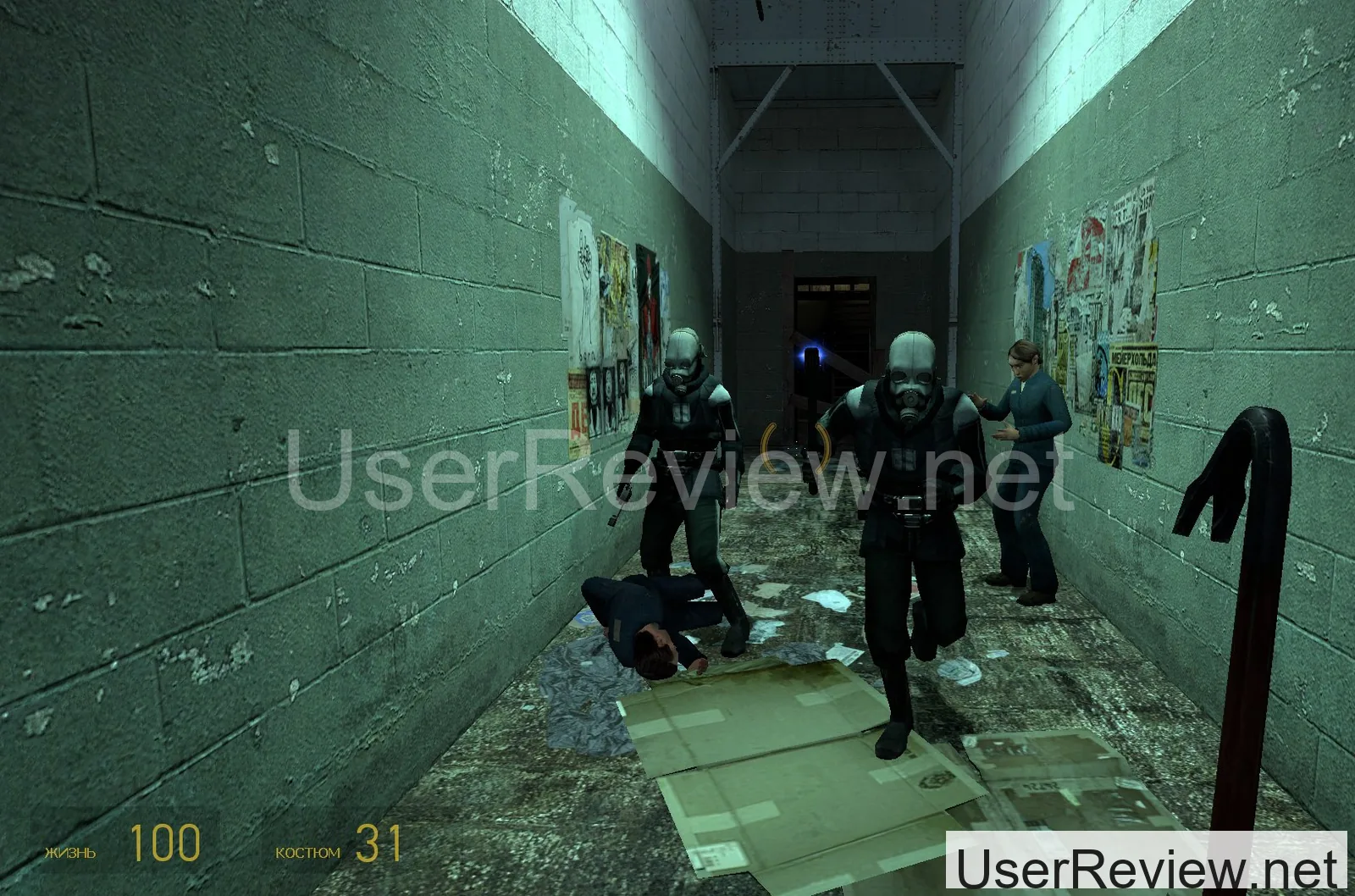
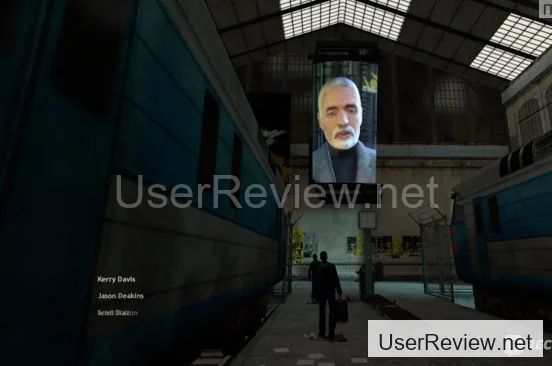
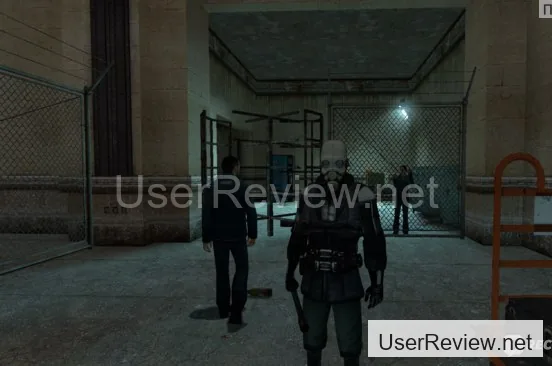
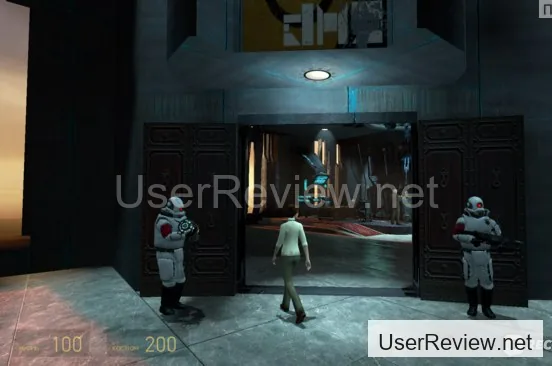
I've played through Half-Life 2 multiple times, including the Episodes. The first impression it made on me was strong, and I still feel the same way today. From the very start, the player is immersed in a crushing atmosphere as they arrive at City 17 by train. The place is a total mess. Combine soldiers, their faces hidden behind gas masks, subject new arrivals to a grueling screening process, throwing them into interrogation cells for any sign of disobedience. A single misstep earns you a jolt from an electric baton. On the big screen, Dr. Breen is spinning a tale of a utopian future for humanity, courtesy of the Combine. But a chance encounter between Freeman and his old friend, Barney Calhoun, a former Black Mesa security guard who's now working undercover for the Combine, saves the scientist from a fate worse than death. It's likely that there were other Resistance members lurking on the platform, who quickly directed Freeman to Barney.
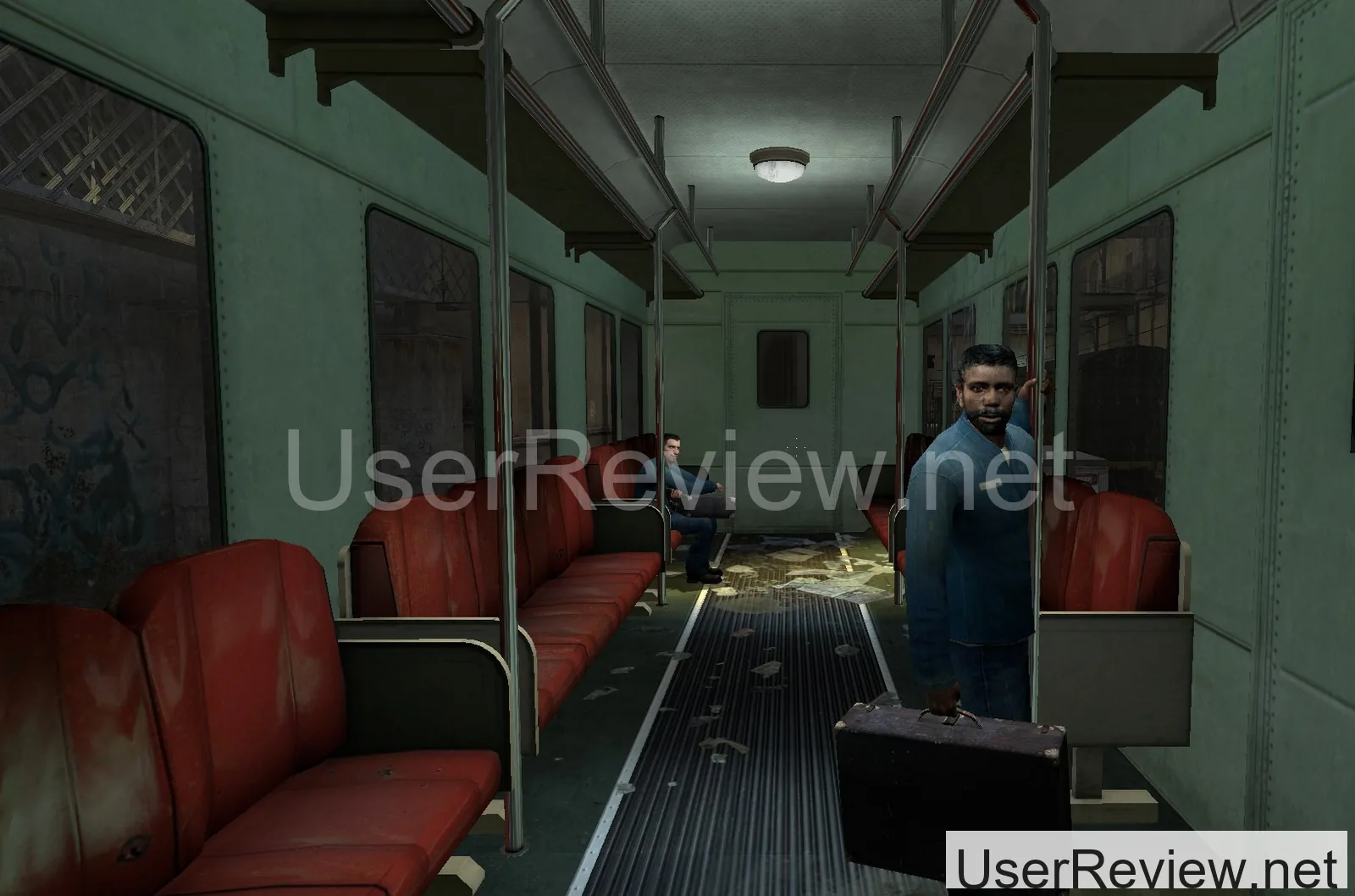
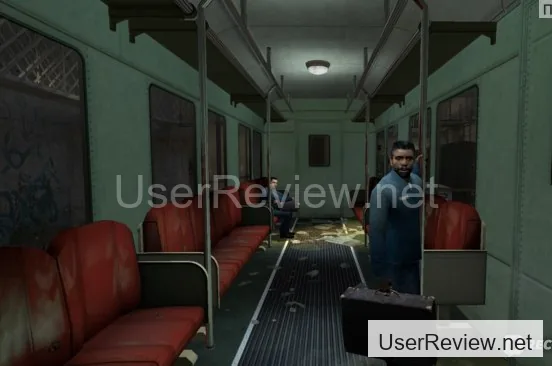
The train carriage was filled with gloomy people in identical blue uniforms
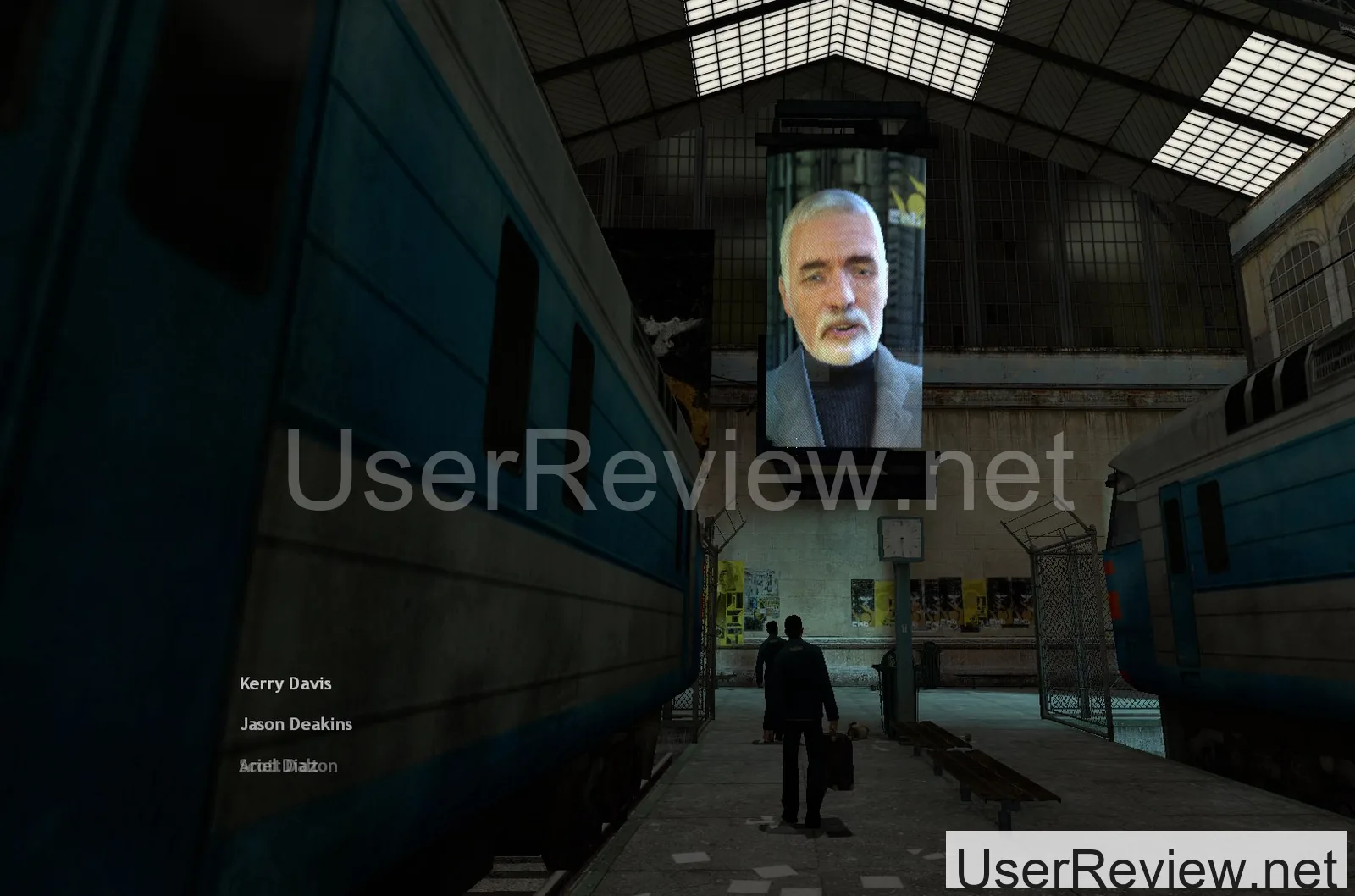
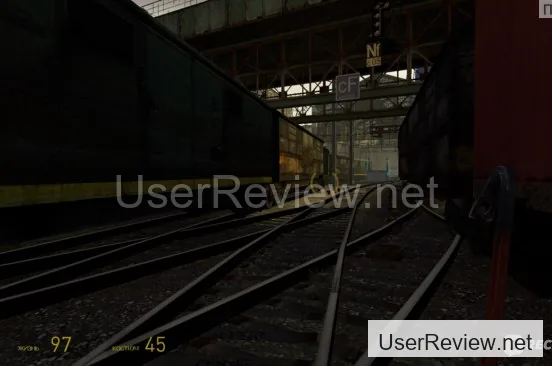
The once-beautiful, now rundown train station in City 17. The desolate atmosphere is complete with dripping walls, murky windows, rows of barbed wire, and scattered trash.
Sunshine bunny with glassy eyes. Plastic world has won. Oh, my defense!
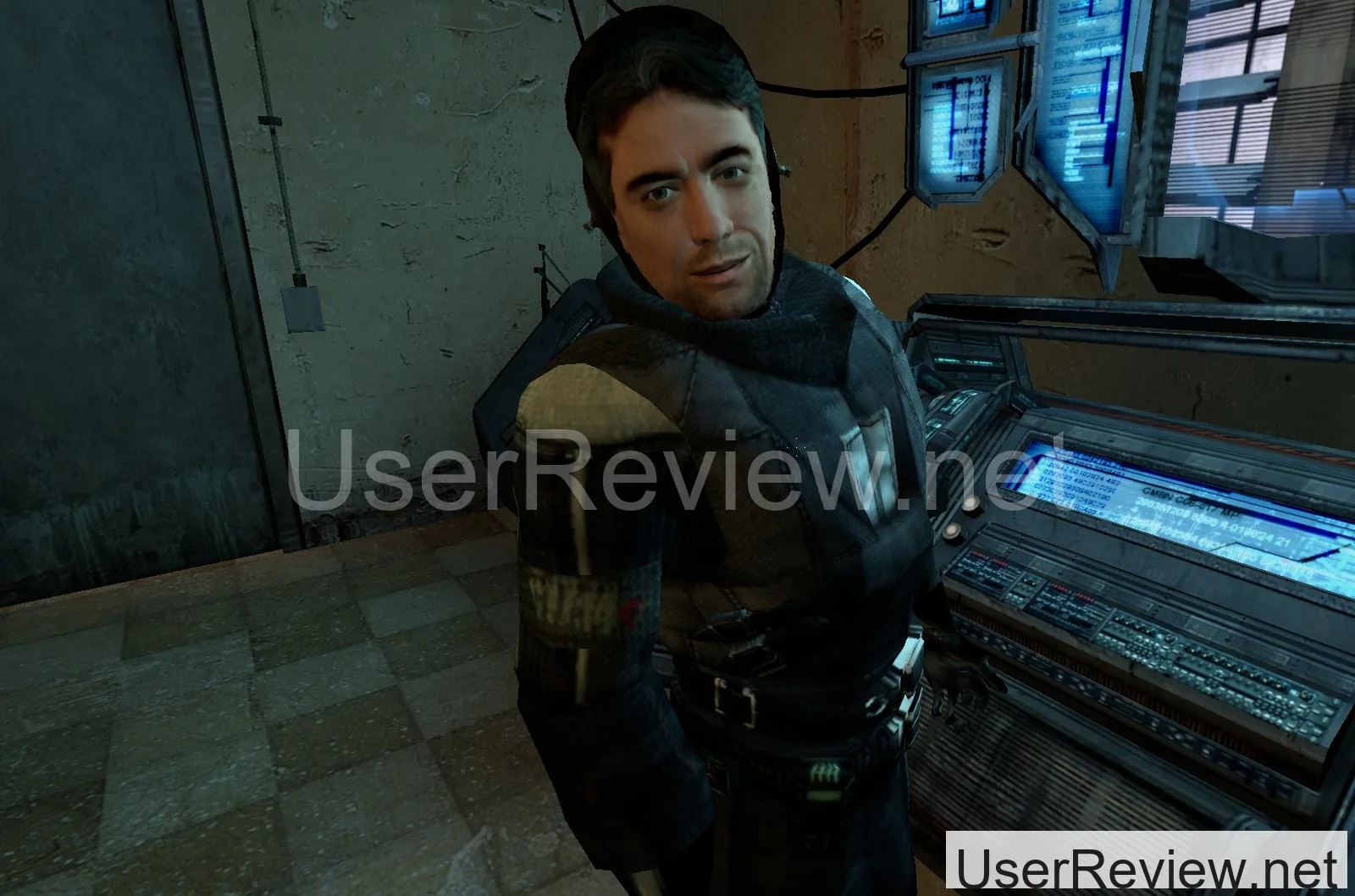
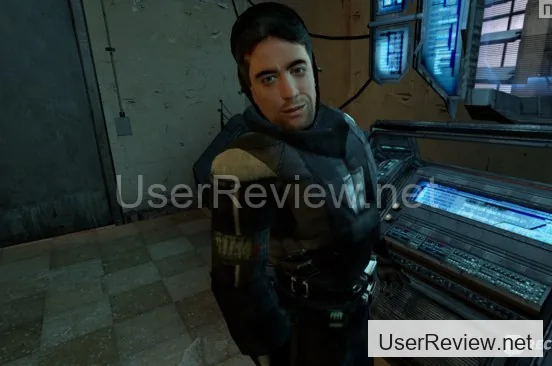
Our old buddy Barney
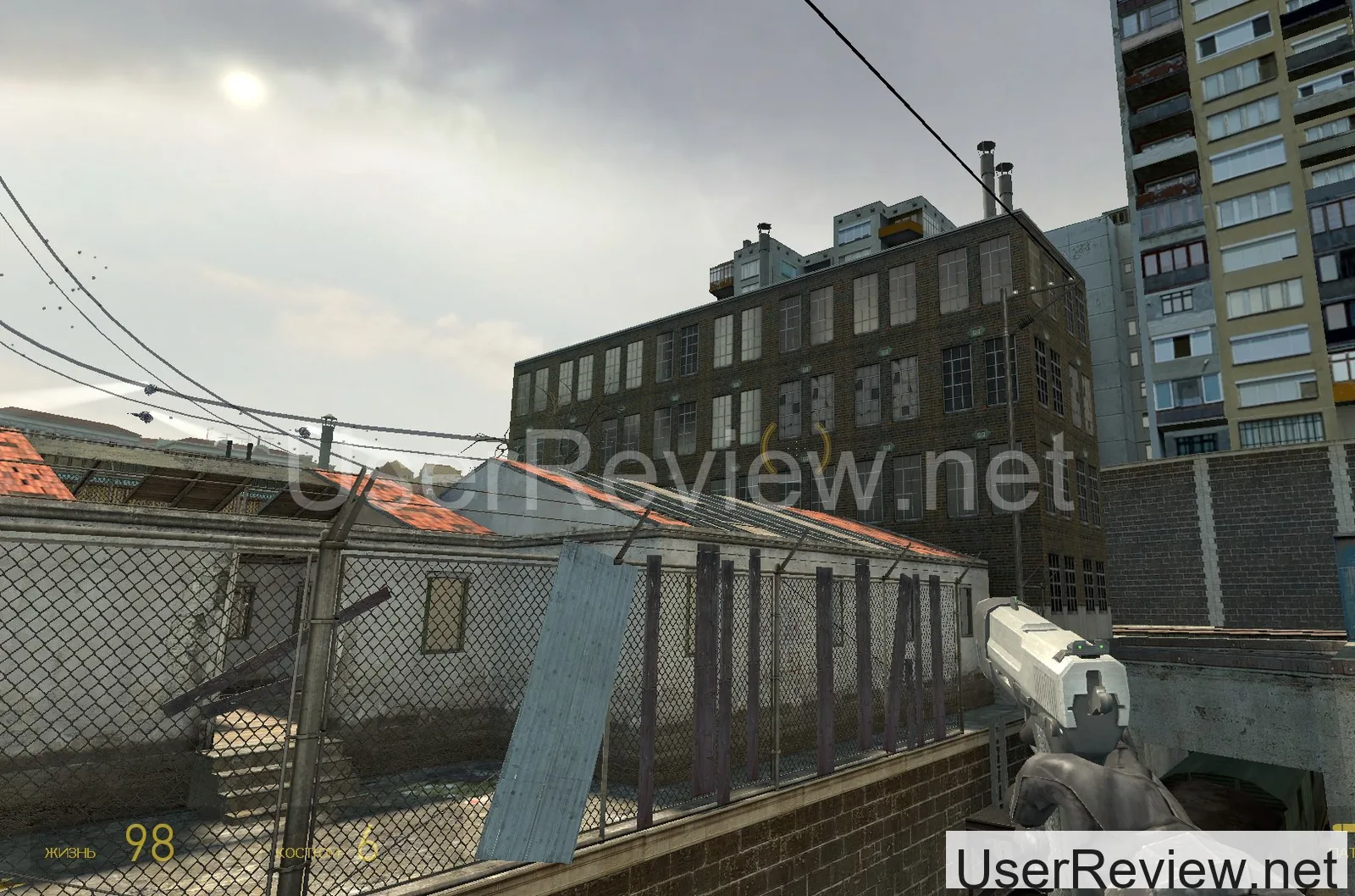
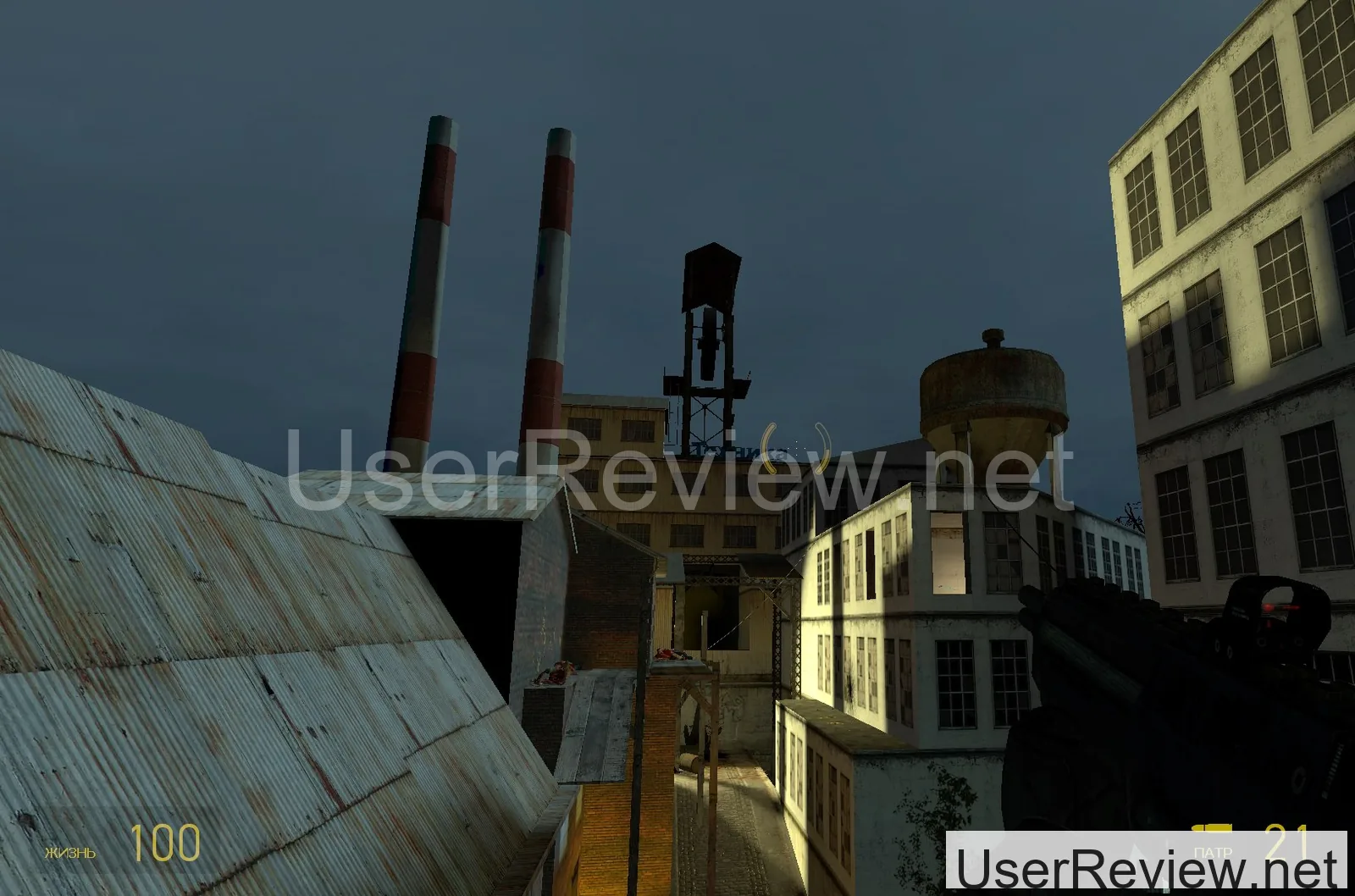
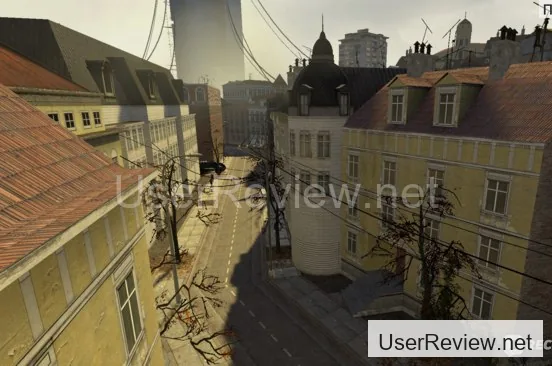
I've gotta say, the game's atmosphere is super immersive, and a lot of that's thanks to designer Victor Antonov. He chose Eastern Europe as the setting, and the levels were designed with the architecture of Bulgaria and other 'Eastern Bloc' countries in mind. You'll see buildings in the classical, modern, and late constructivist styles, as well as panel apartments and industrial sites. It's crazy how much thought Antonov put into the environment - it even influenced the story. The surviving scientists from the 'Black Mesa' complex, located on the border with New Mexico (a mesa, by the way, is a type of mountain with a flat top, which you might've seen on the first Half-Life's skybox), established a secret organization called 'Eastern Black Mesa' in Europe, which opposes the invasion from other worlds. Their base is located in the basement of an abandoned power plant on a river near City 17, protected by a dam and steep hills.
The train station area is probably the most recognizable location in the game
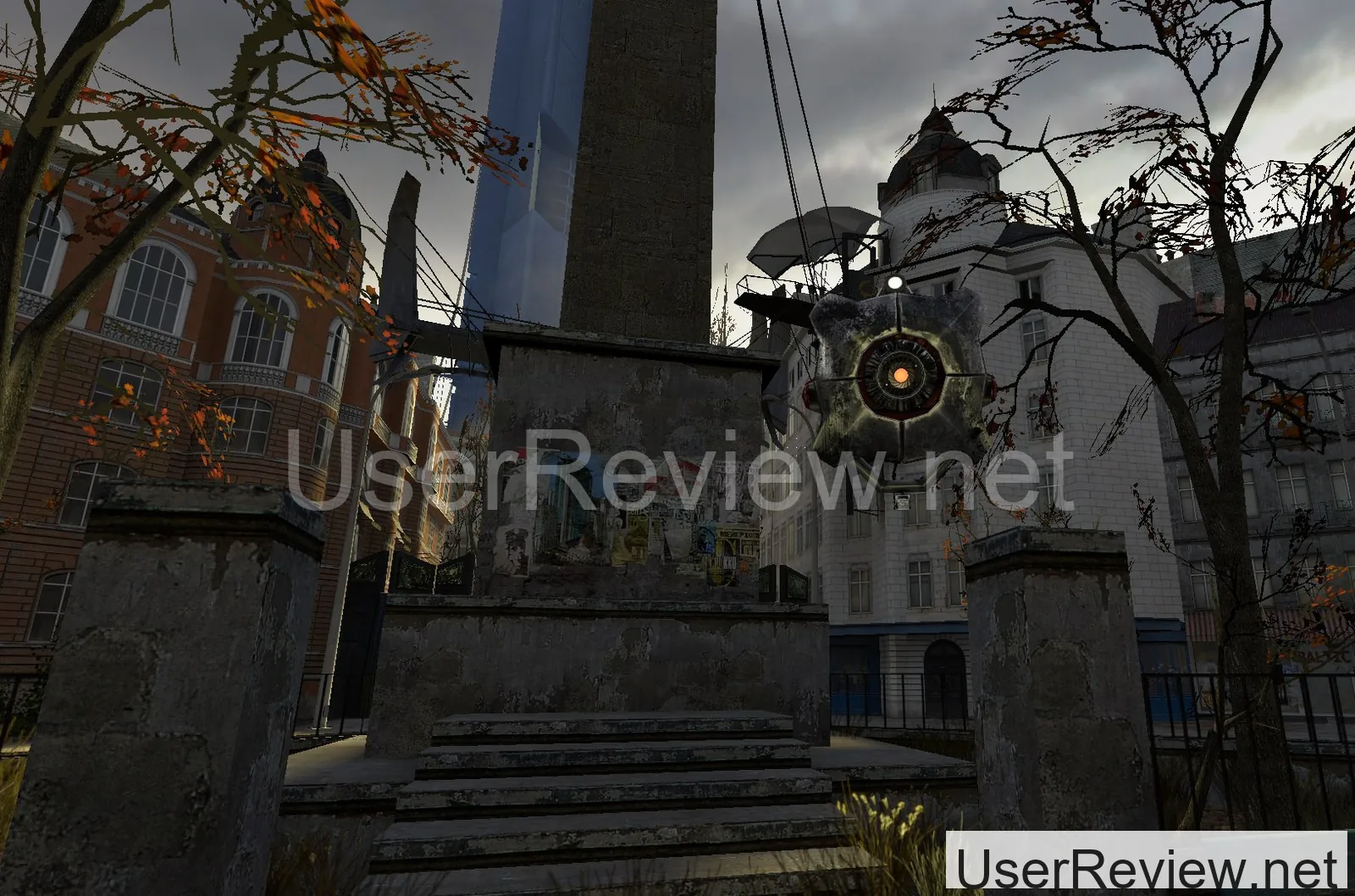
The only high-tech thing that comes to mind is that annoying flying scanner that's always reporting on civilians' movements.
Panel apartments make up the bulk of the residential areas
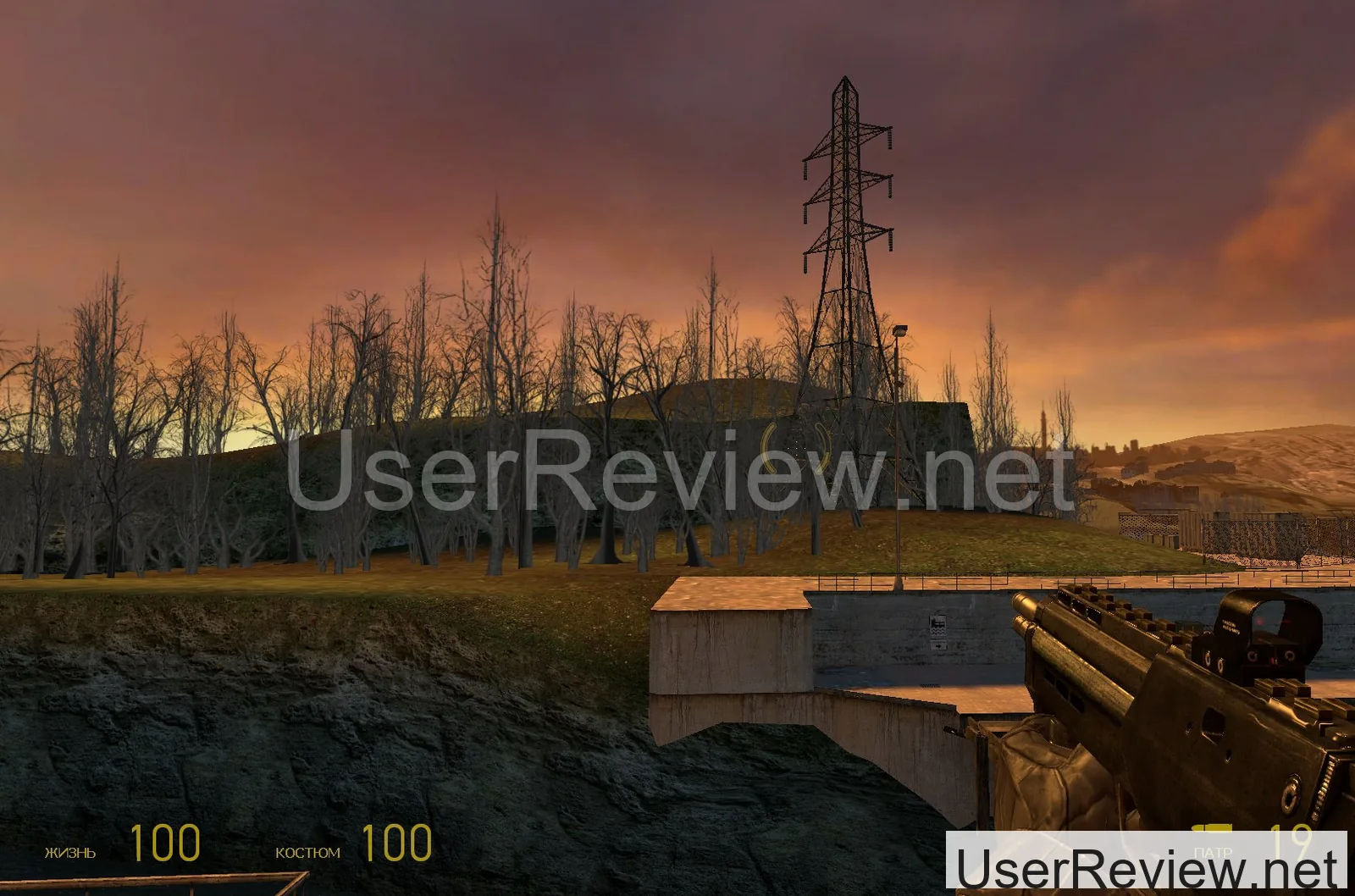
The landscapes sometimes remind me of S.T.A.L.K.E.R. Wherever 'Eastern Black Mesa' is hiding.
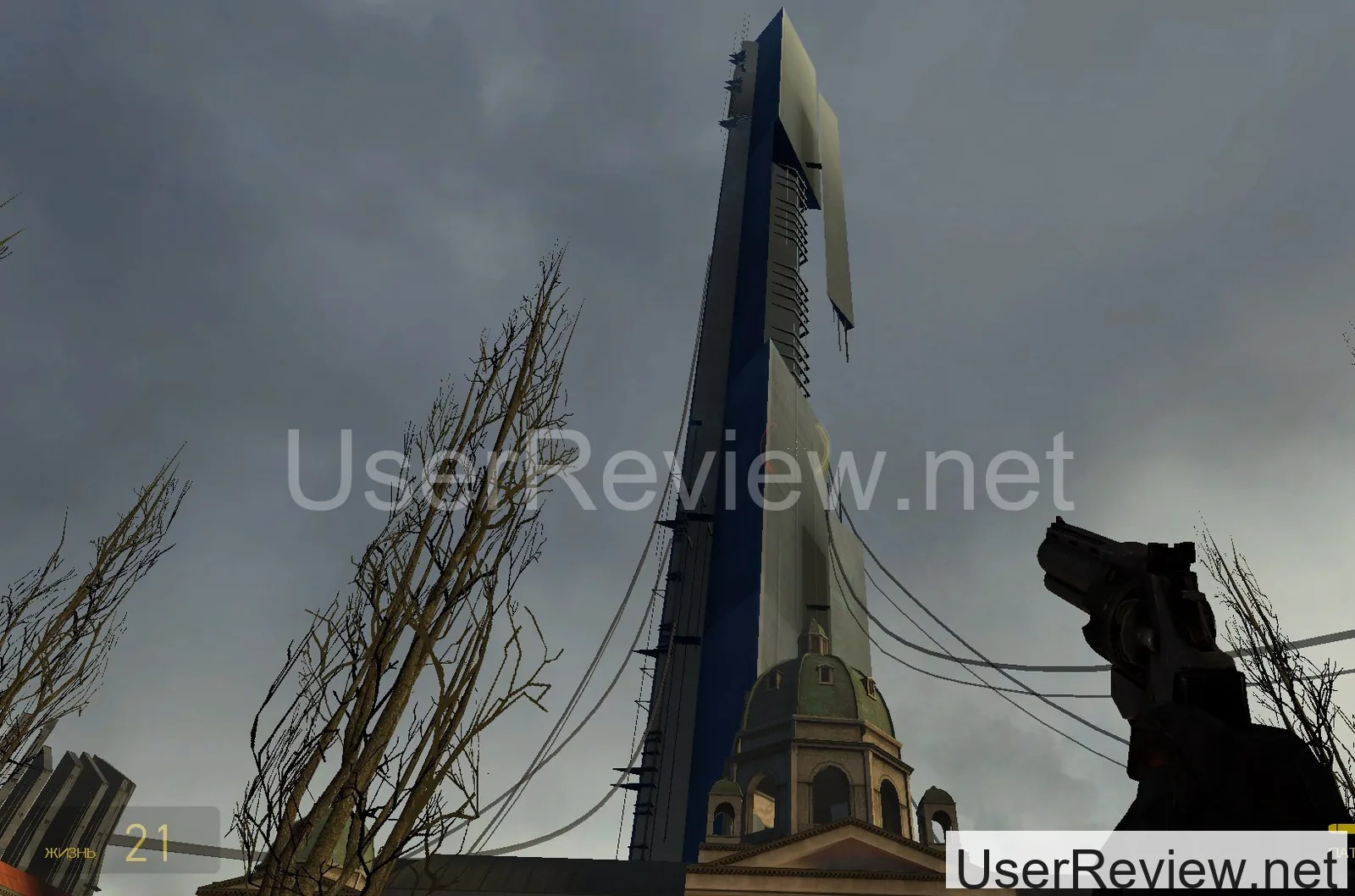
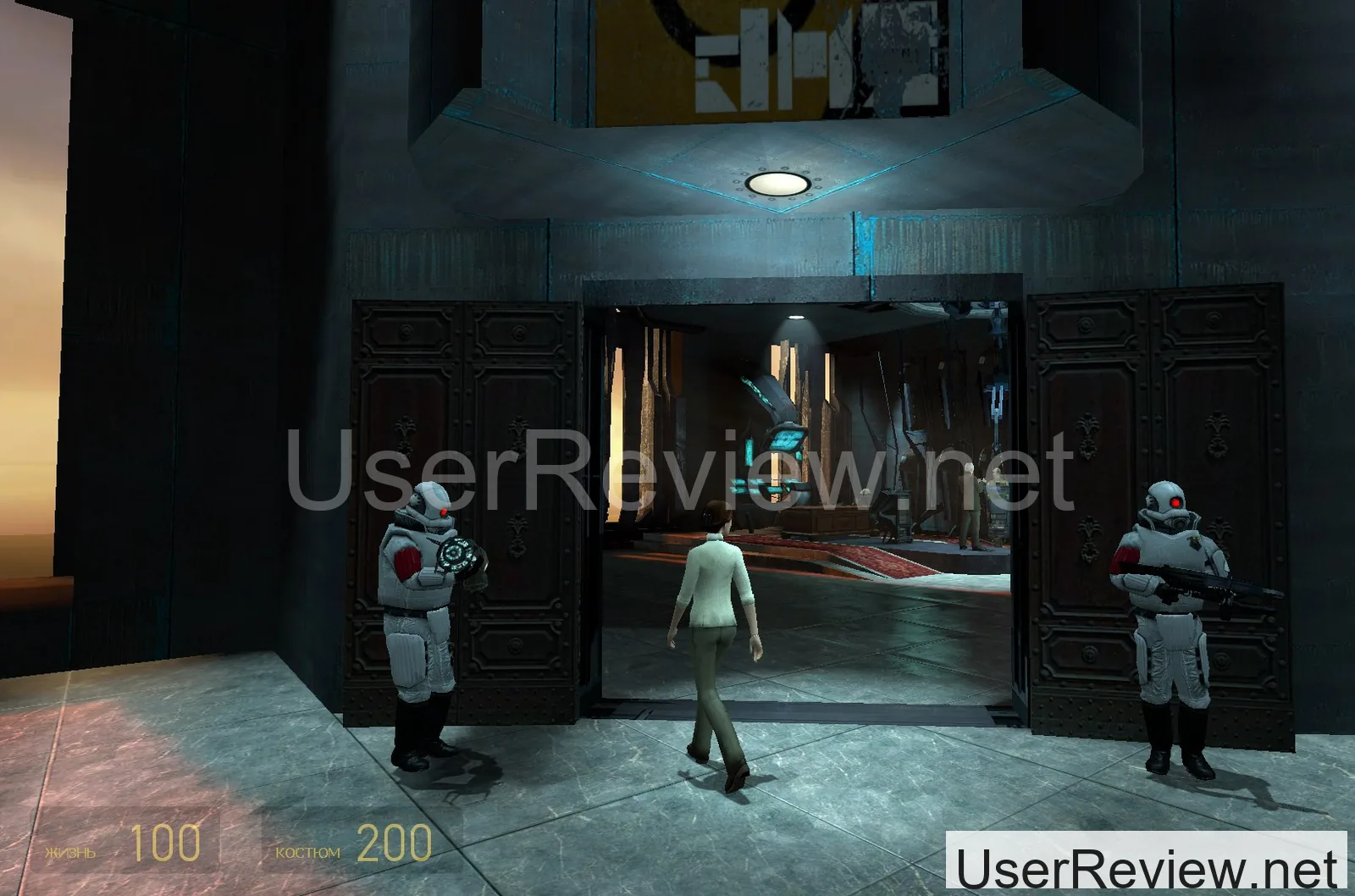
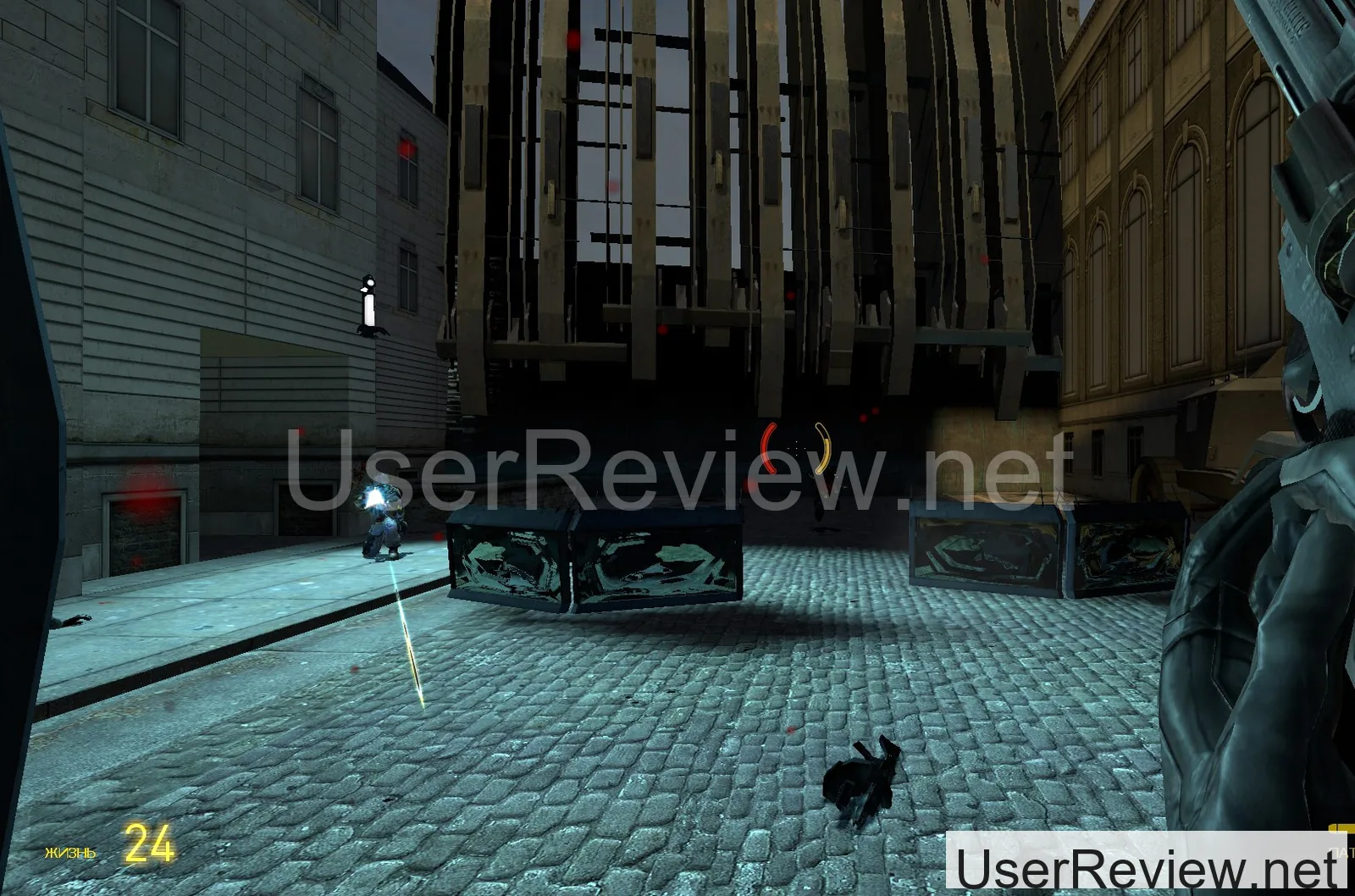
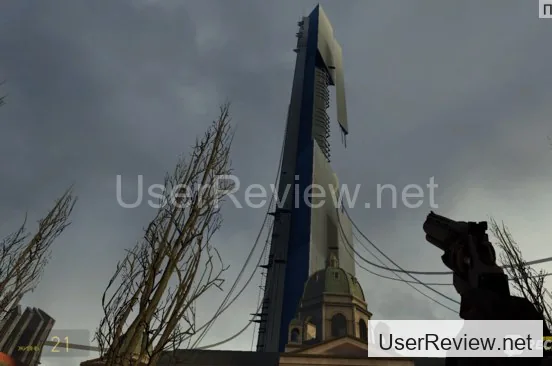
I've gotta say, the alien structures are straight out of this world - literally. They're these massive, dark blue metal monstrosities that just keep growing and spreading, consuming everything in their path. And the craziest part? The outer sections are actually moving, shattering anything that gets in their way. Take the Citadel in the middle of the city, or the Nova Prospect prison complex - they're like nothing I've ever seen before.
The Citadel
What used to be an admin building, now a Nucleus Patrol hub
Hey, citizen!
NPCs in Half-Life 2 are divided into a few categories.
1) Citizens - aka, the oppressed. These are the people who get to live in City 17, but only if they wear the same clothes and do the dirty work for the Combine. They're basically zombies, but with a bad haircut. And if you think that's bad, the Citizen Defense Forces are like the city's own personal Gestapo, tasked with keeping the peace and crushing any dissent.
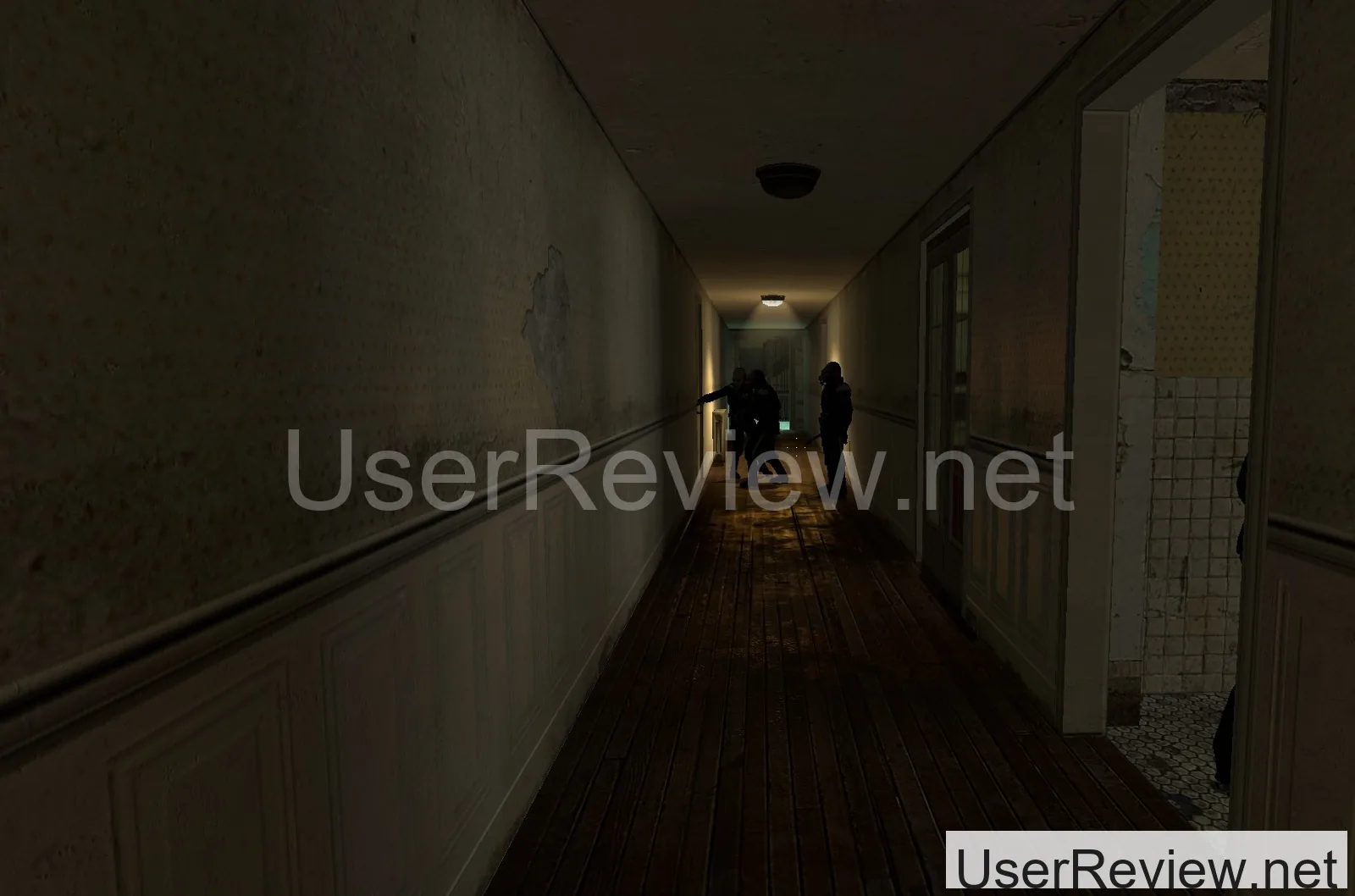
Raiding apartments
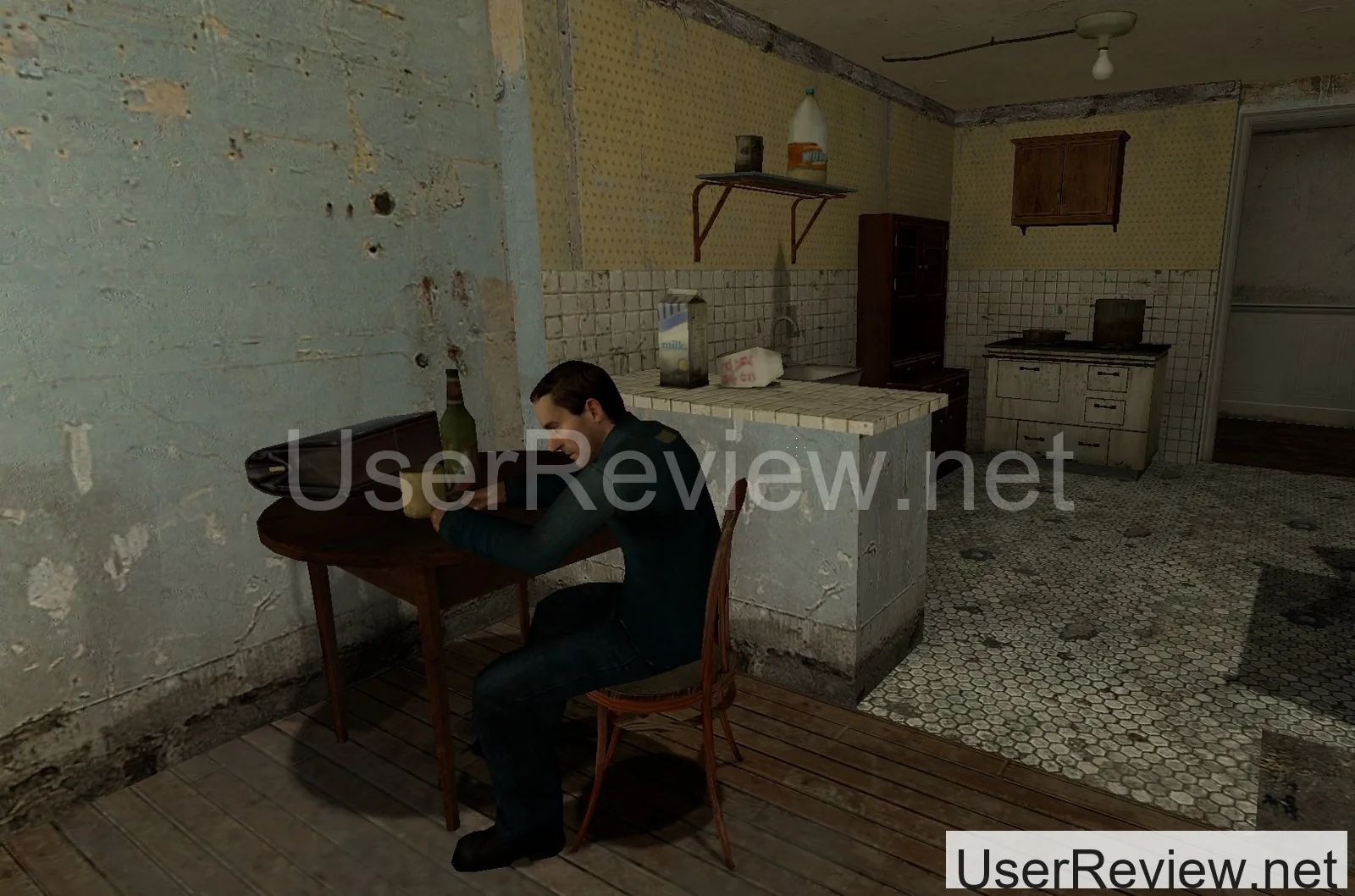
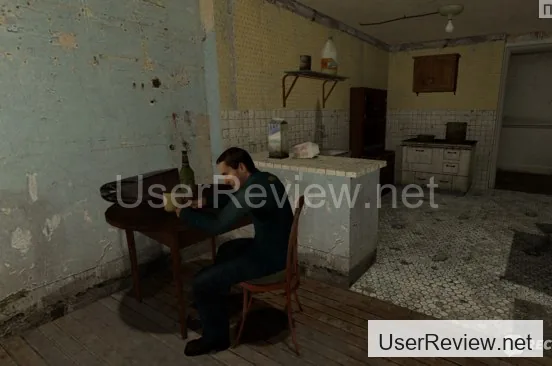
The meager lives of City 17's residents
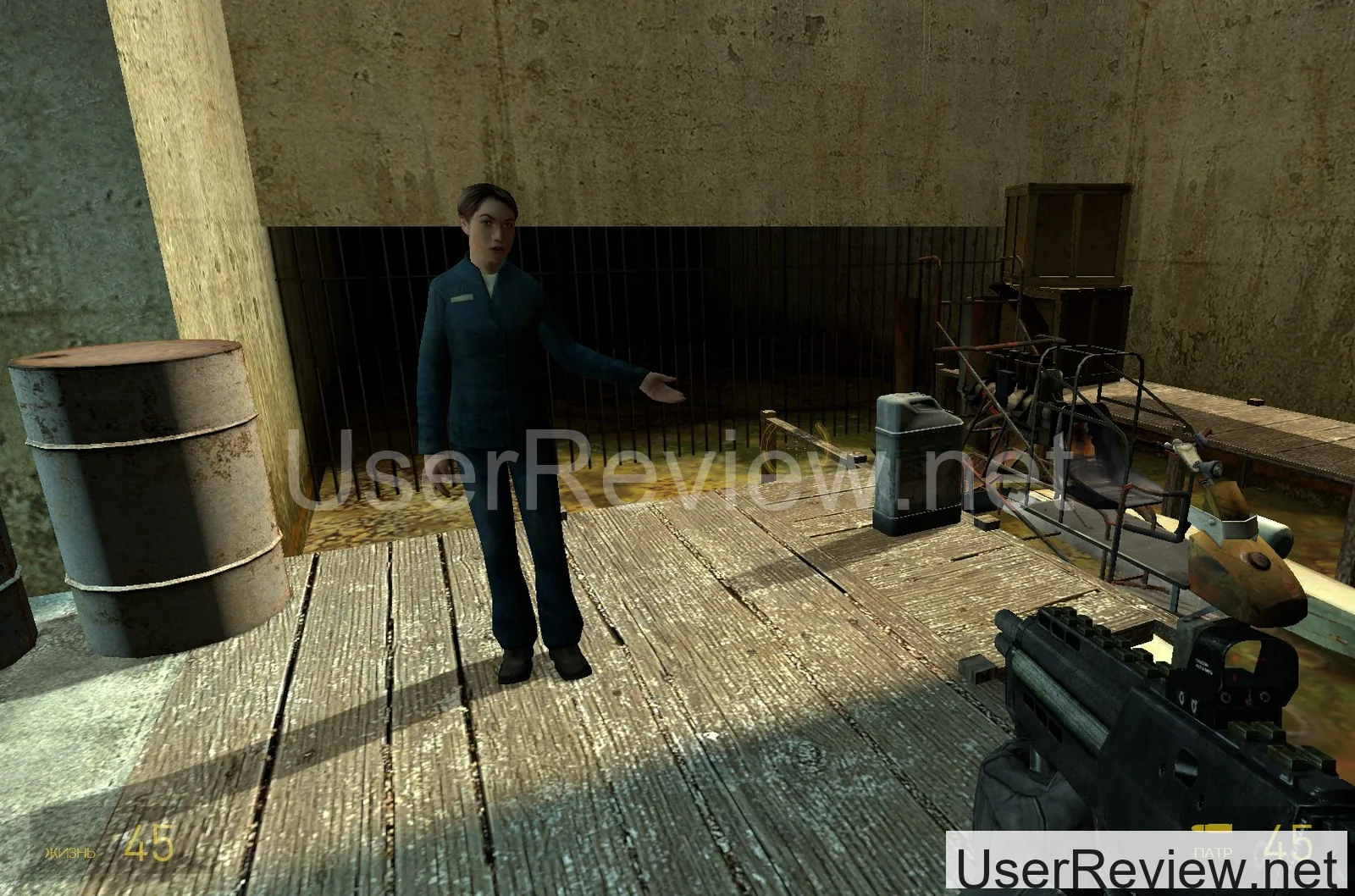
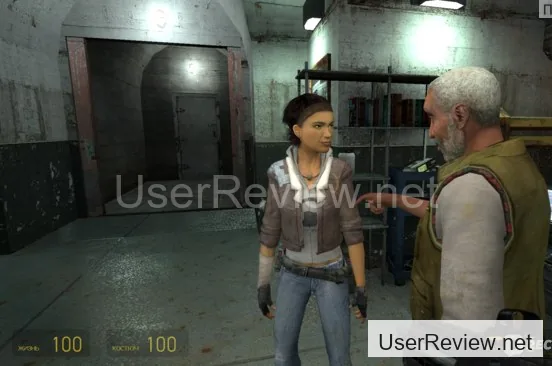
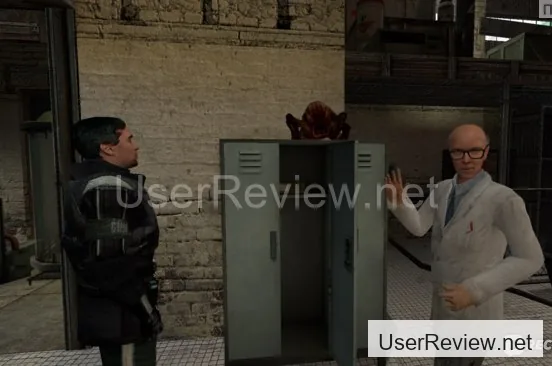
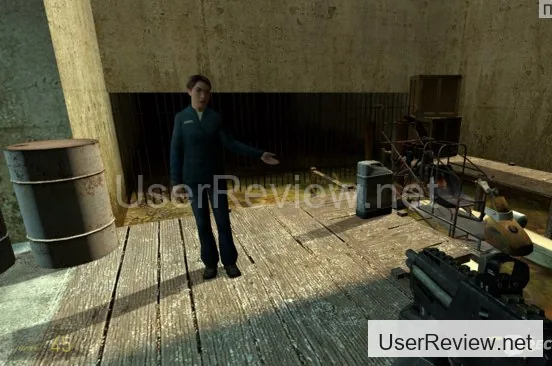
2) Rebels. These are the folks who actually care about humanity and want to save us from ourselves. Some of them live in the city, pretending to be Citizens (like Barney Calhoun), while others are out in the ruins, fighting against the Combine and its monstrous creations. Dr. Kleiner's got a teleporter that lets him zip in and out of the city, and Eli Vance is leading the charge with his 'Eastern Black Mesa' crew. His daughter, Alyx, is a total rockstar, solving puzzles and saving the day wherever she goes.
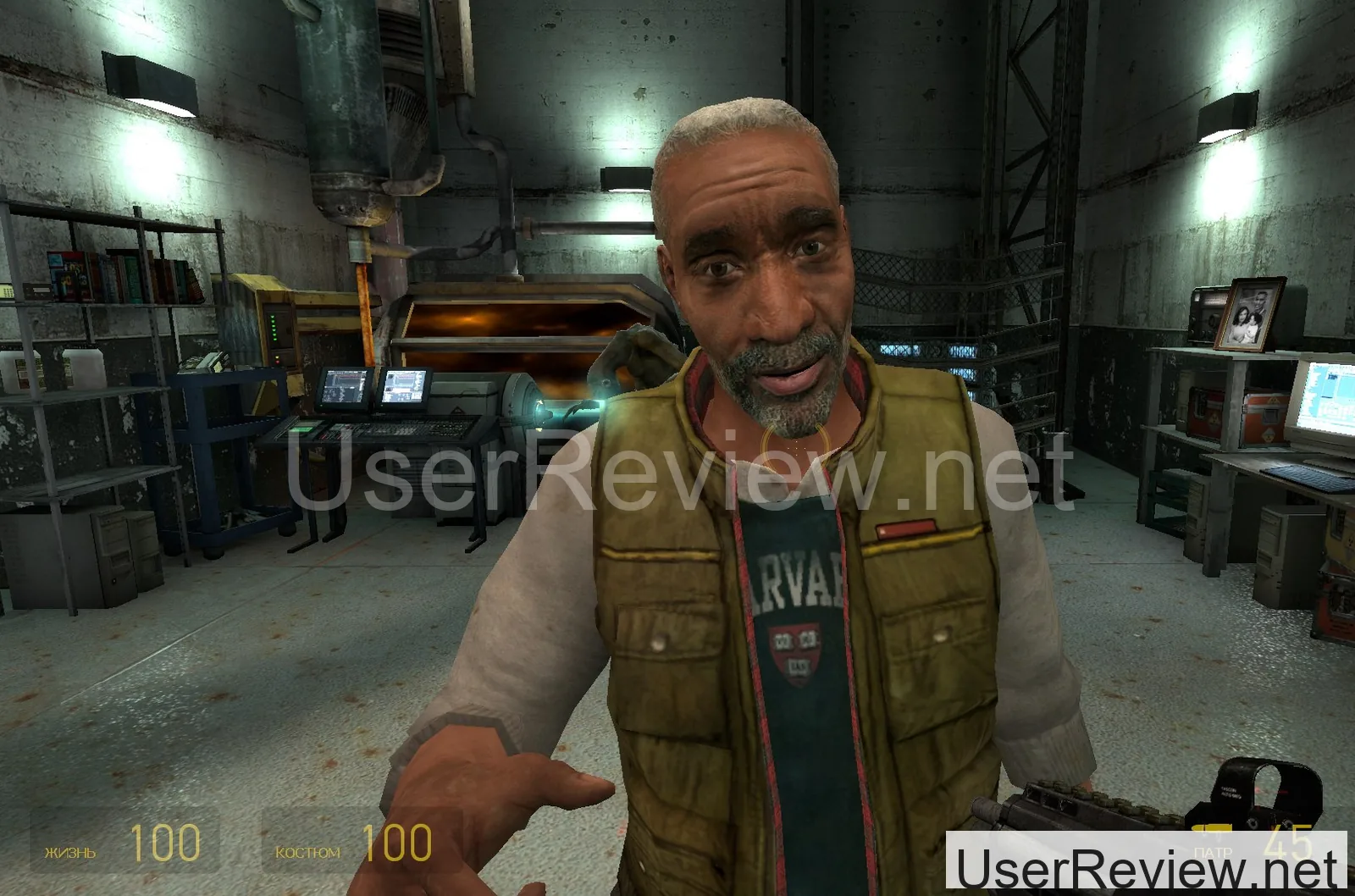
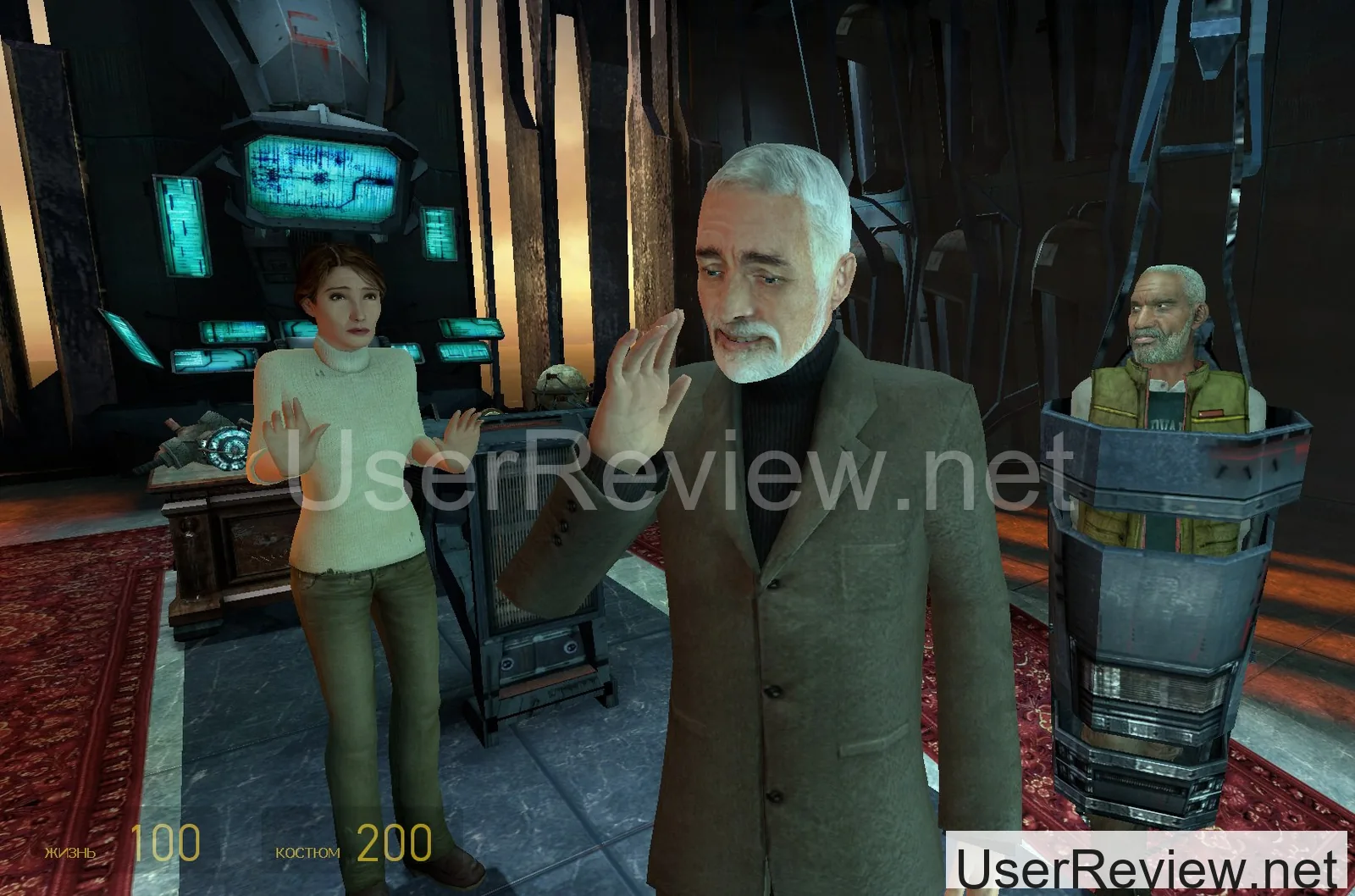
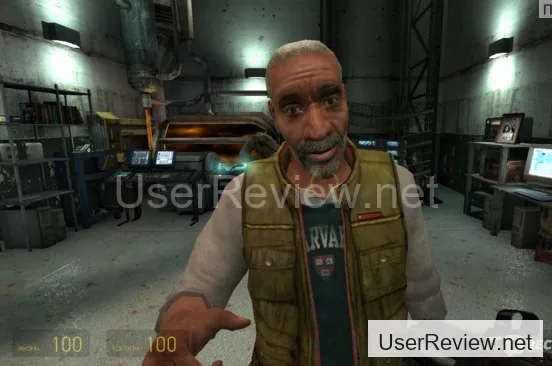
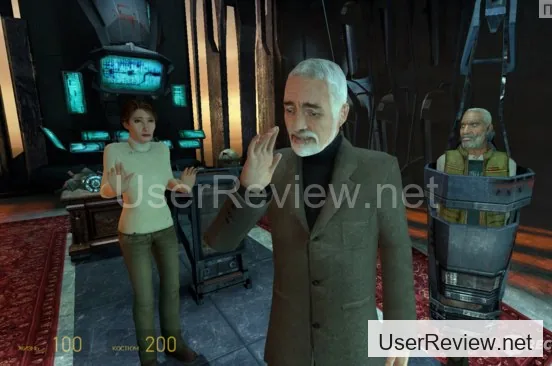
Eli Vance - the same prof from the first Half-Life who sent Gordon on a wild goose chase after that resonance cascade. His new 3D model even has wrinkles on his forehead, thanks to that innovative facial animation tech from back in the day
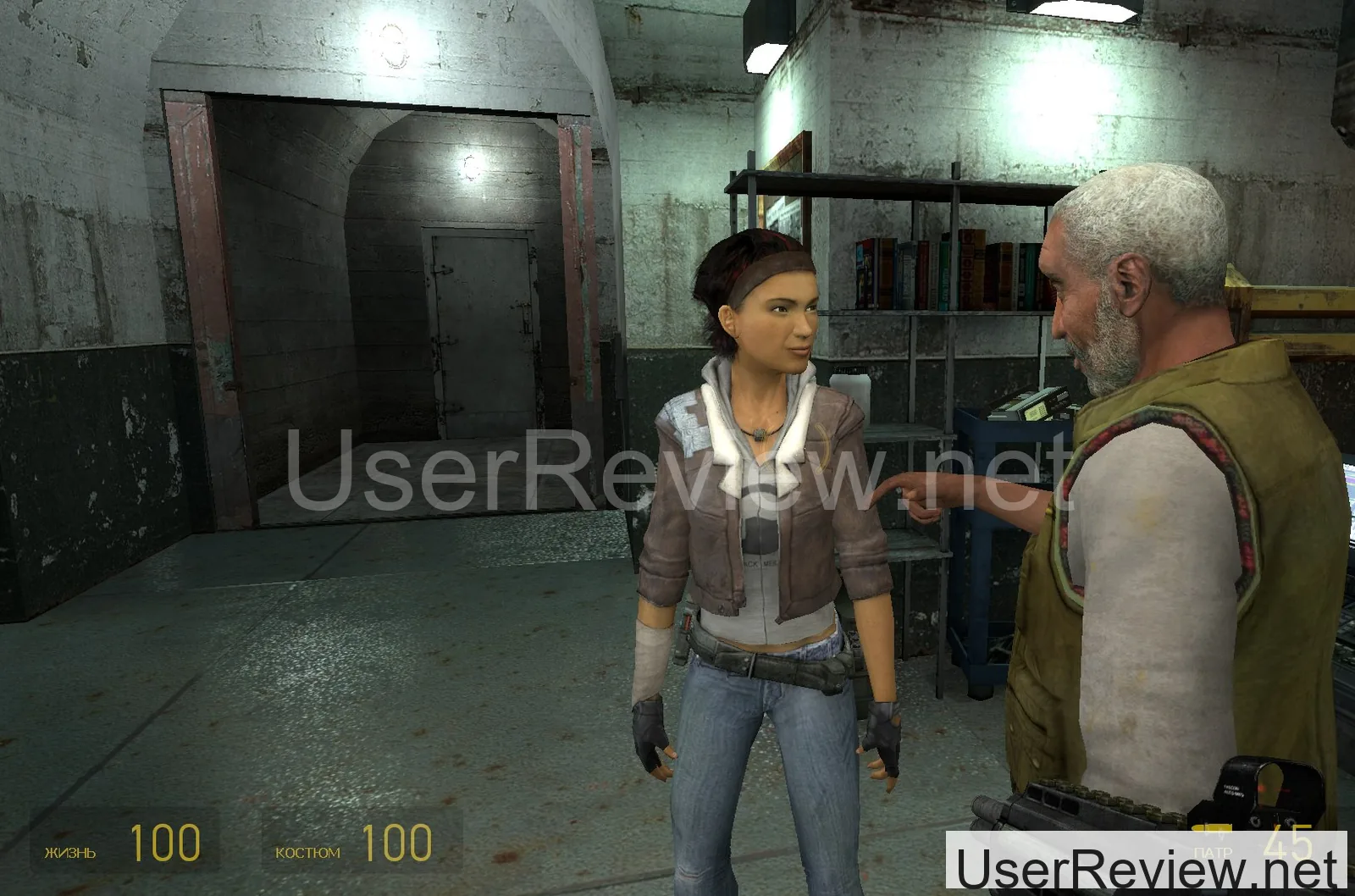
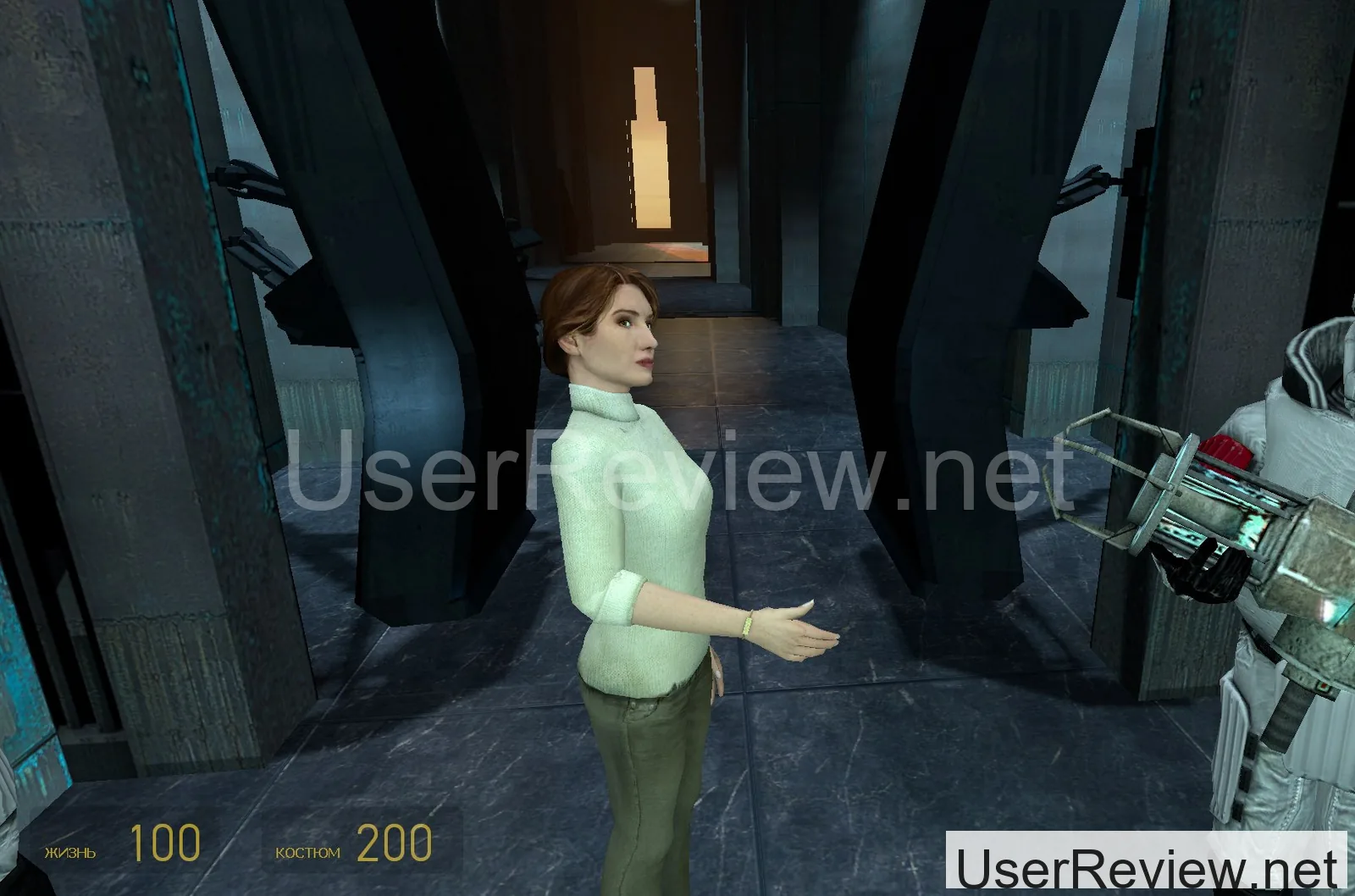
Me and Alyx
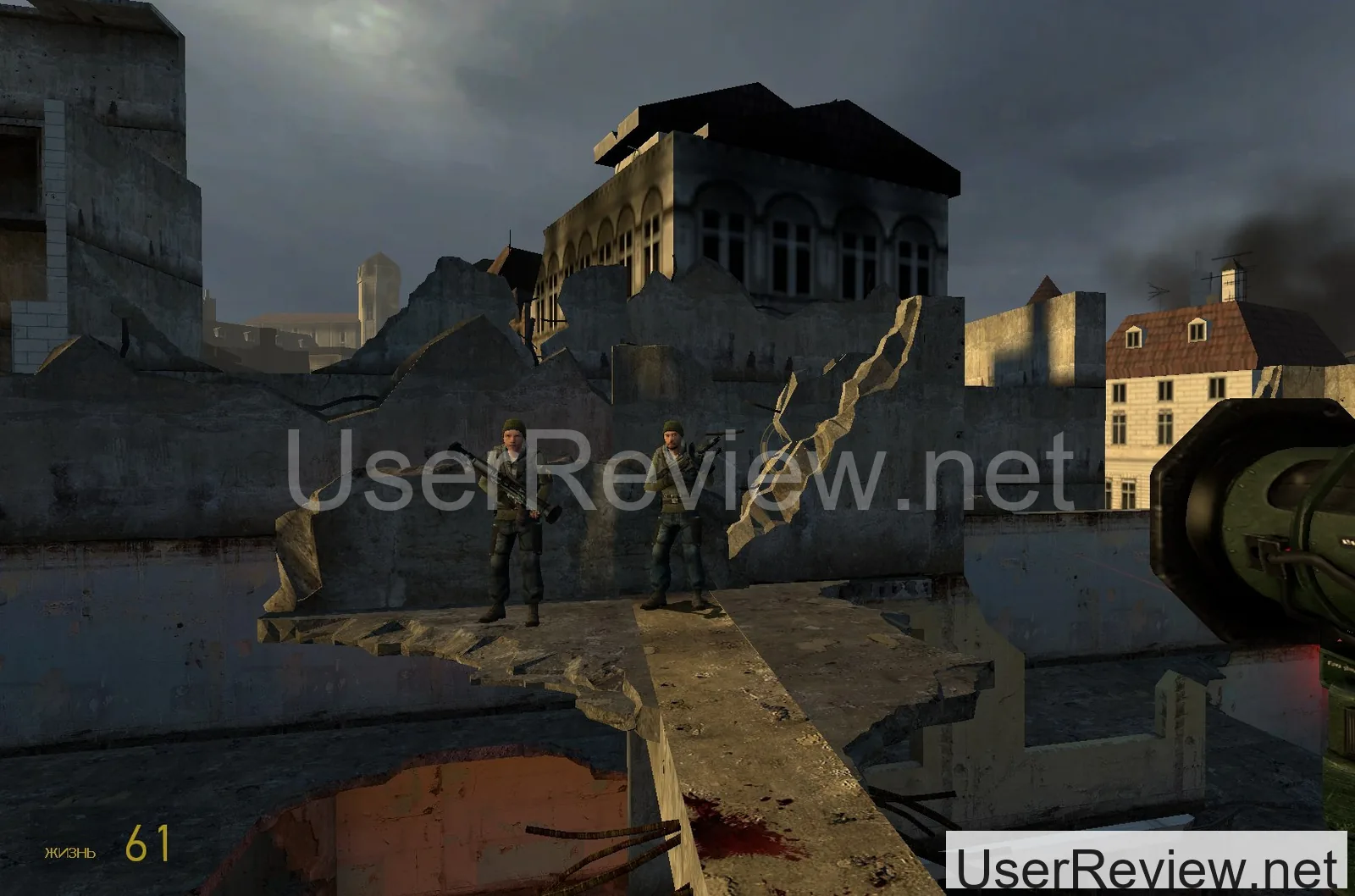
Regular Resistance members
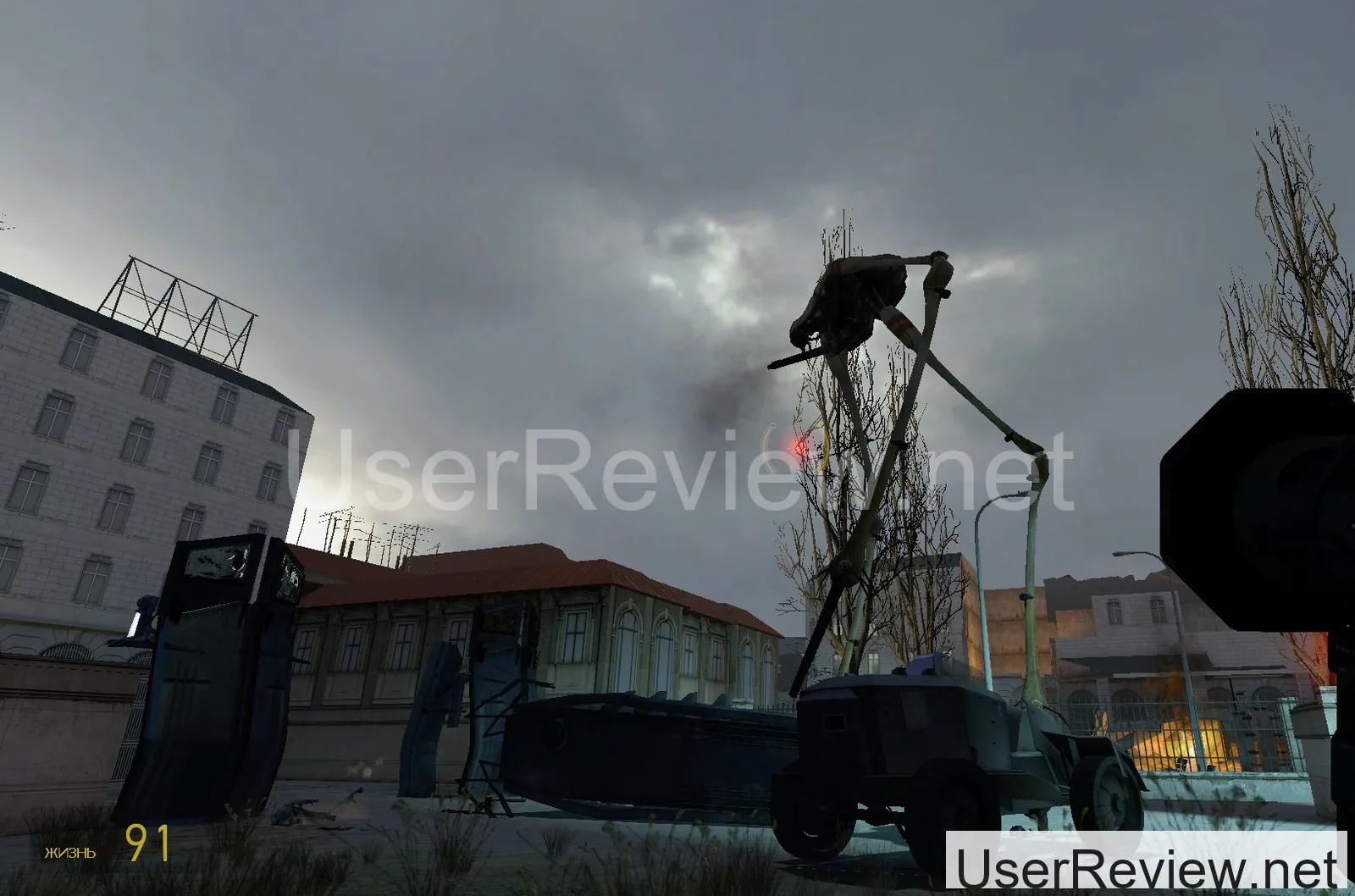
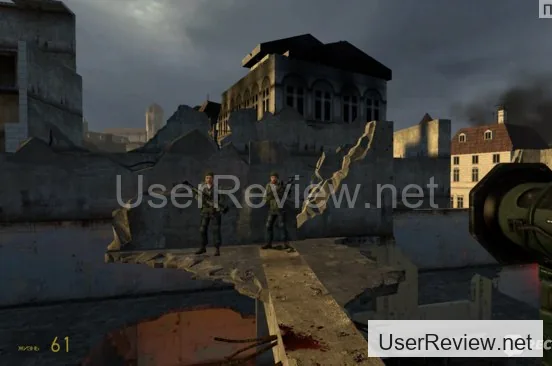
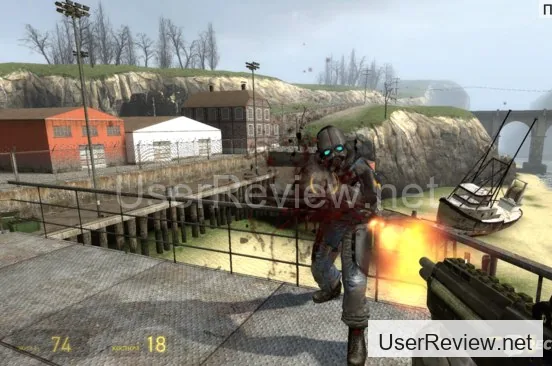
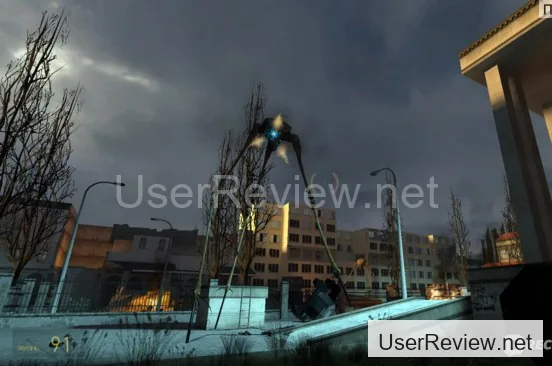
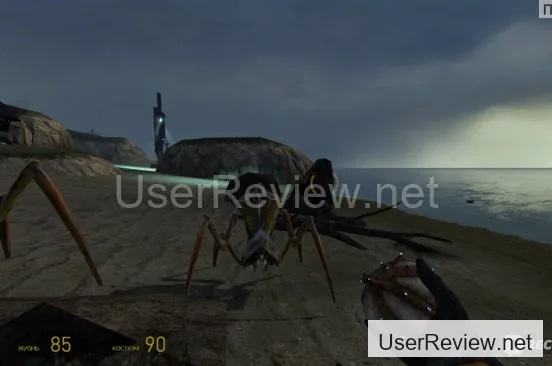
3) Synths - the Alliance's minions, created using alien biotechnology. I've seen some crazy stuff, but these soldiers, scavengers, and elite infantry take the cake. They've got human bodies, but they're basically ravaged by cybernetic implants, missing organs, and an altered metabolism. It's like they're half-human, half-machine. And then there are the Striders - combat machines that look like giant spiders, equipped with a cybernetic brain that can be pulled in with a gravifle like an inorganic object. I mean, it's like something out of a sci-fi movie. And let's not forget the Stormtroopers - flying units that resemble insects with a propeller. What's wild is that, despite being machines, they still have some pretty primitive feelings. They let out a siren when they take damage, which is actually kind of cool. I also saw Dr. Brin, escaping from the rebels, communicate with an alien creature through a monitor that looks like the head of a Stormtrooper. It was trippy, to say the least.
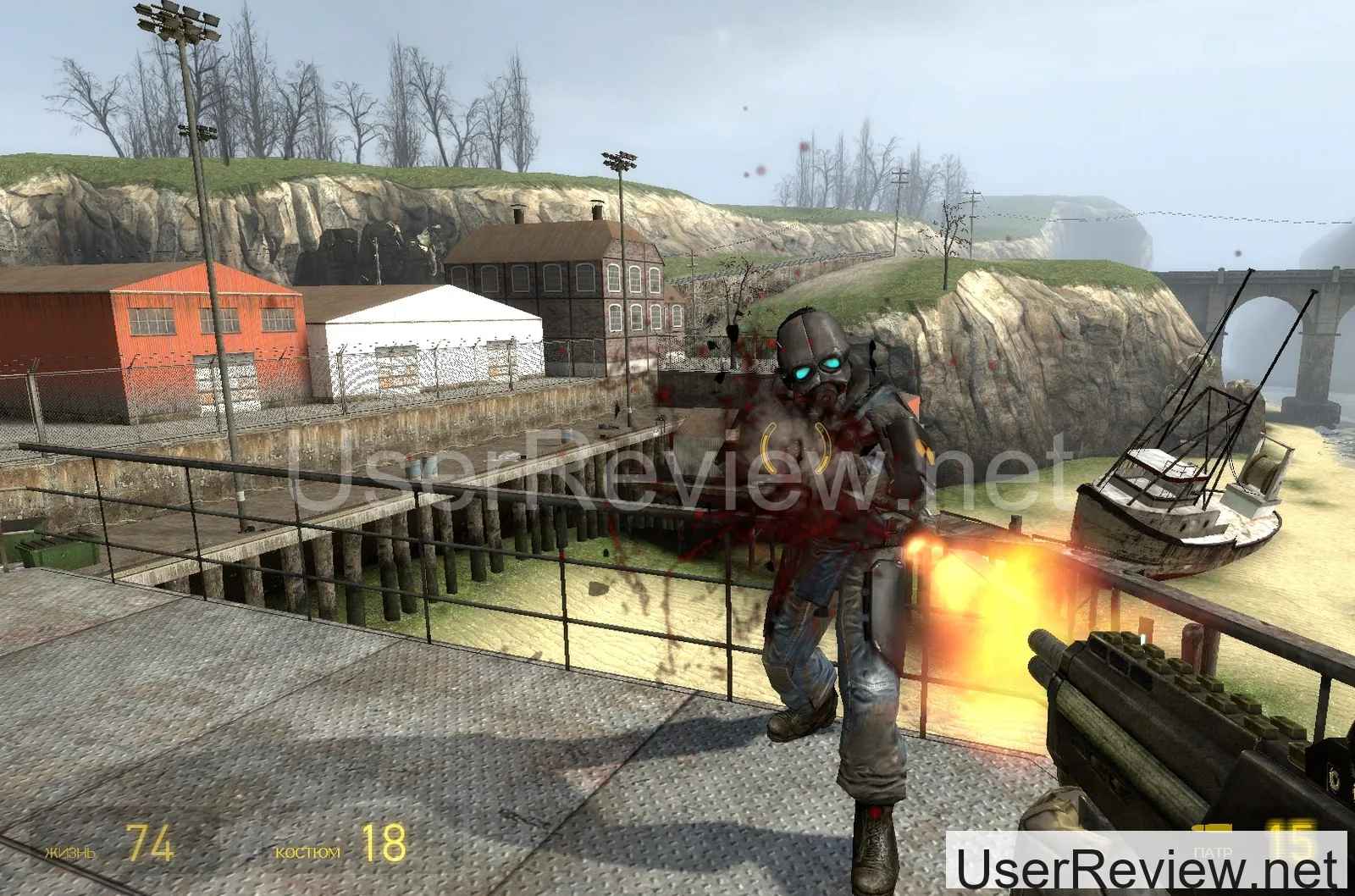
You'll encounter Alliance soldiers more often than anyone
Elite infantry look like the stormtroopers from Star Wars in their white armored suits
It's missing only Emperor Palpatine
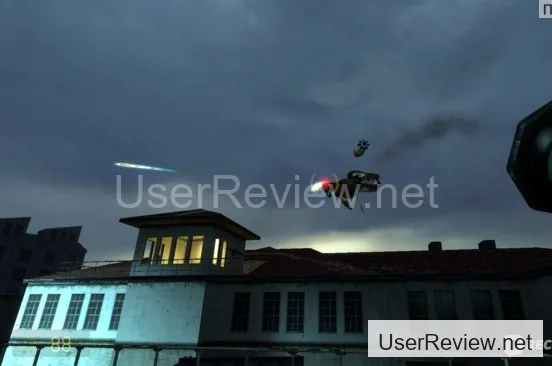
On the other hand, the Alliance's stormtrooper is a large flying synth, combining the qualities of a dragonfly and a helicopter
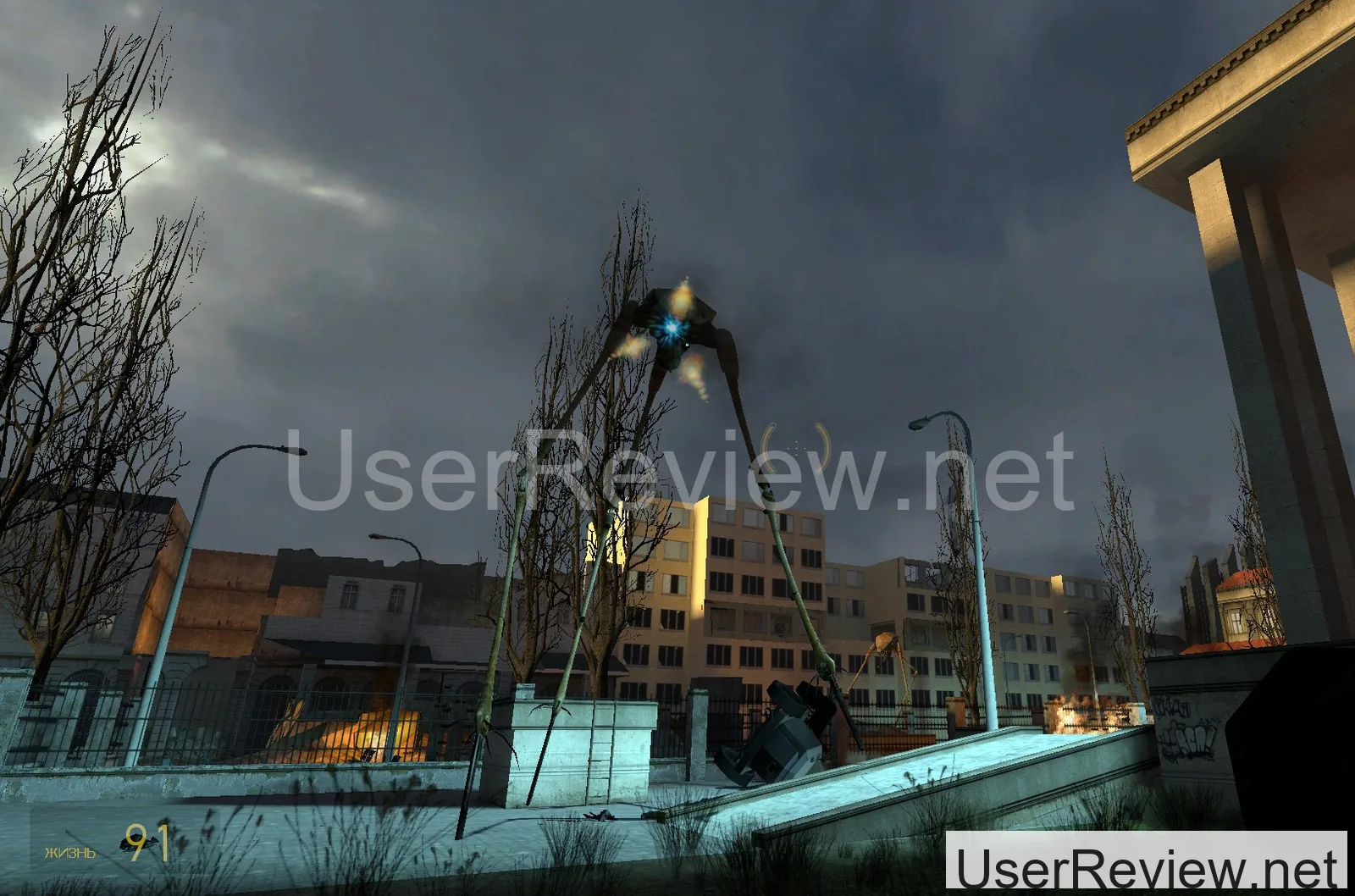
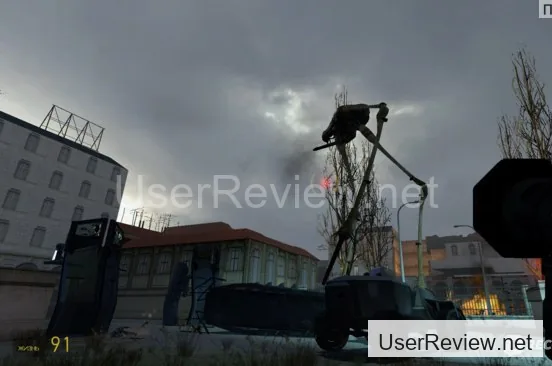
Spider-like Striders are the most resilient opponents in the game. I just love disassembling them!
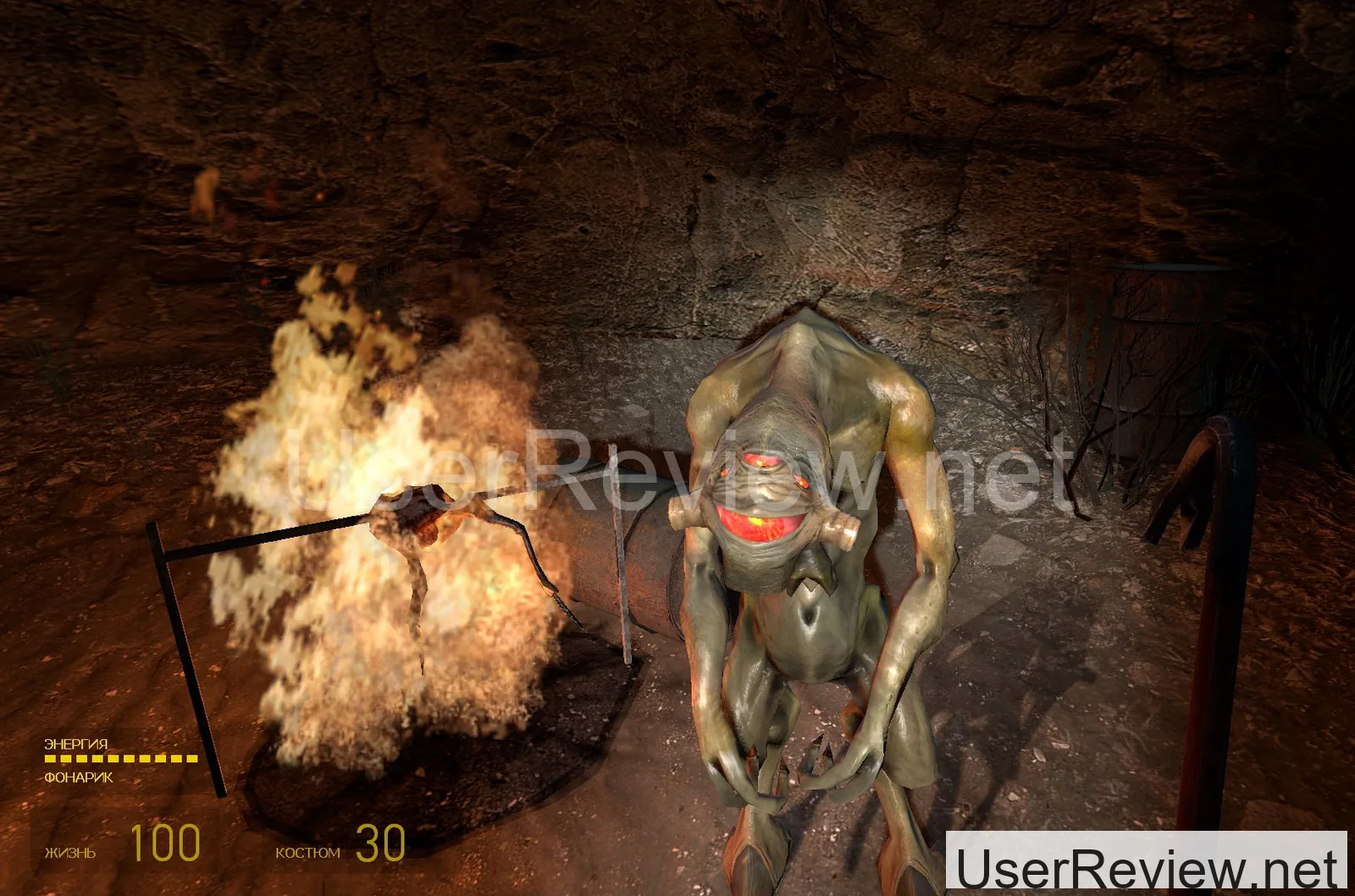
4) Vortigons - those green, three-fingered humanoids you've already met in the first Half-Life. They can generate electricity, which is pretty cool. After being freed from the Nihilanth's grasp, they're super grateful to Dr. Freeman, which is why they always give him a shout-out when you meet them. I've seen them living in some pretty rough conditions, like sewer tunnels with radioactive waste. Some of them even joined the Resistance and are showing off their computer skills and lab equipment in the 'Eastern Black Mesa'. But those who got caught by the Combine are back to being slaves. I remember spotting a vortigon sweeping the platform on the train station at the start of the game, under the watchful eye of a G-Man.
A free vortigon living in a radioactive pipe - talk about roughing it!
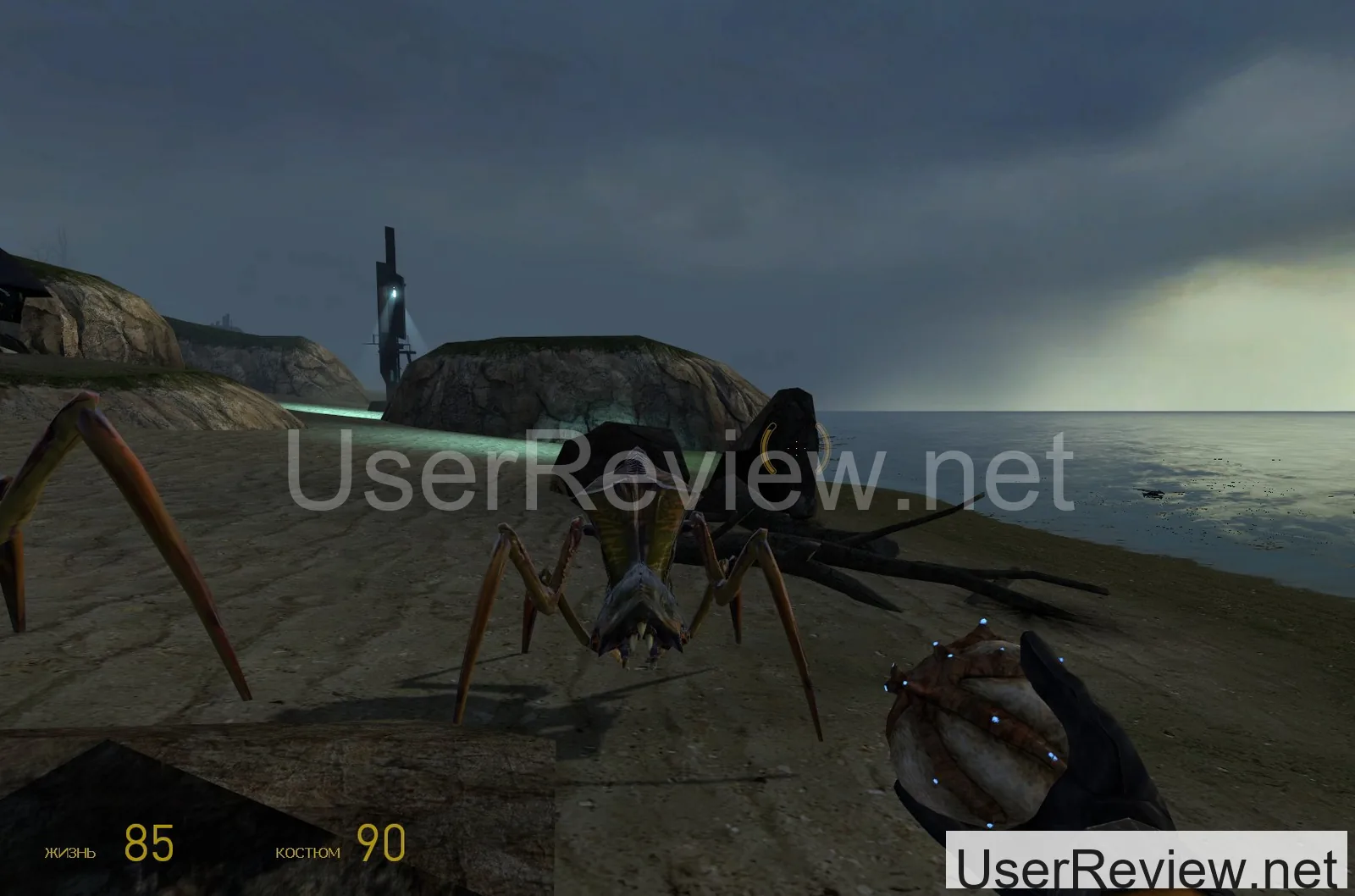
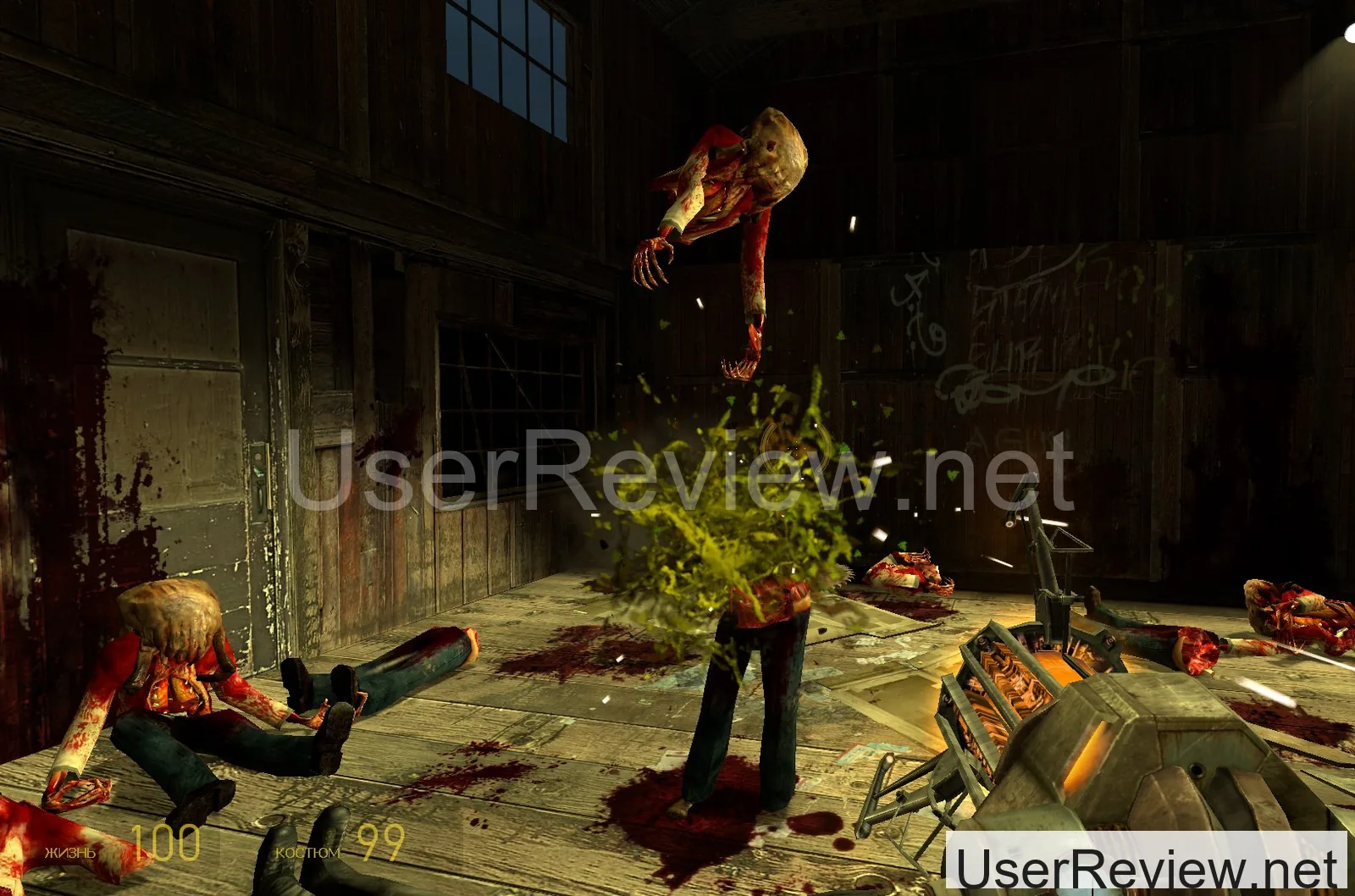
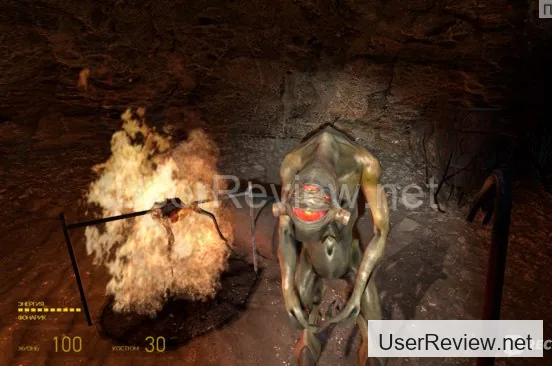
5) Fauna. Headcrabs are back from the first Half-Life too. These little guys attach themselves to your head and turn you into a zombie. In Half-Life 2, there are three types: the regular, fast, and poisonous (black) ones. Regular headcrabs are basically vortigons' snacks, and the Combine uses them as a projectile to take out the Resistance. The other two types are probably mutations. I've gotta say, the headcrab rockets are a real hoot - it's hilarious to see the confused crabs crawling out of the burning wreckage and looking around for someone to attack. You can take them out with a crowbar without wasting ammo, which is a relief. I think it'd be way scarier if they launched manhackers or a stalker instead.
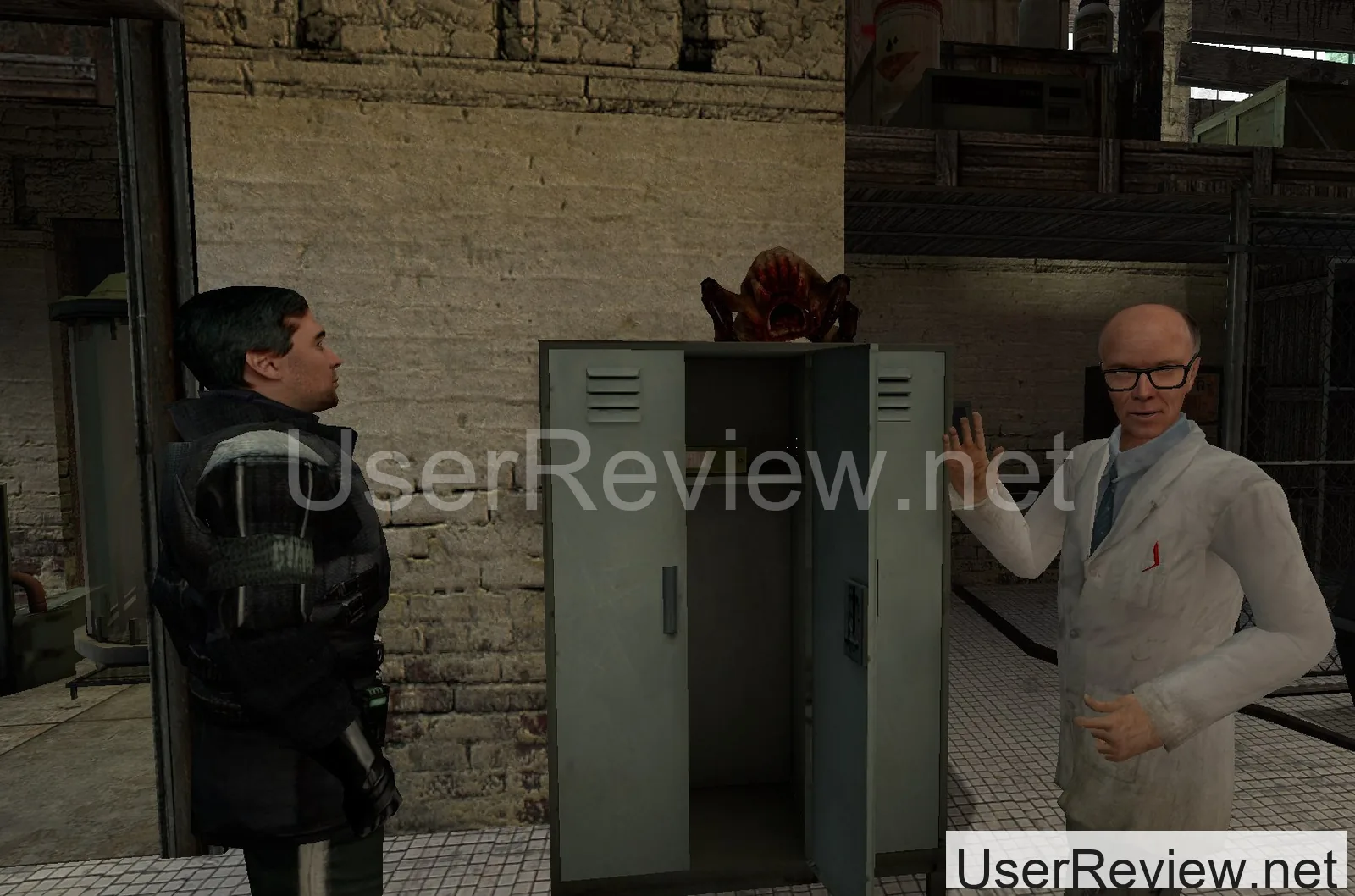
Headcrabs are a real pain in the neck - but tell that to Dr. Kleiner!
Launching headcrabs is a blast. Unlike snarks, they'll follow you anywhere - which is both a blessing and a curse!
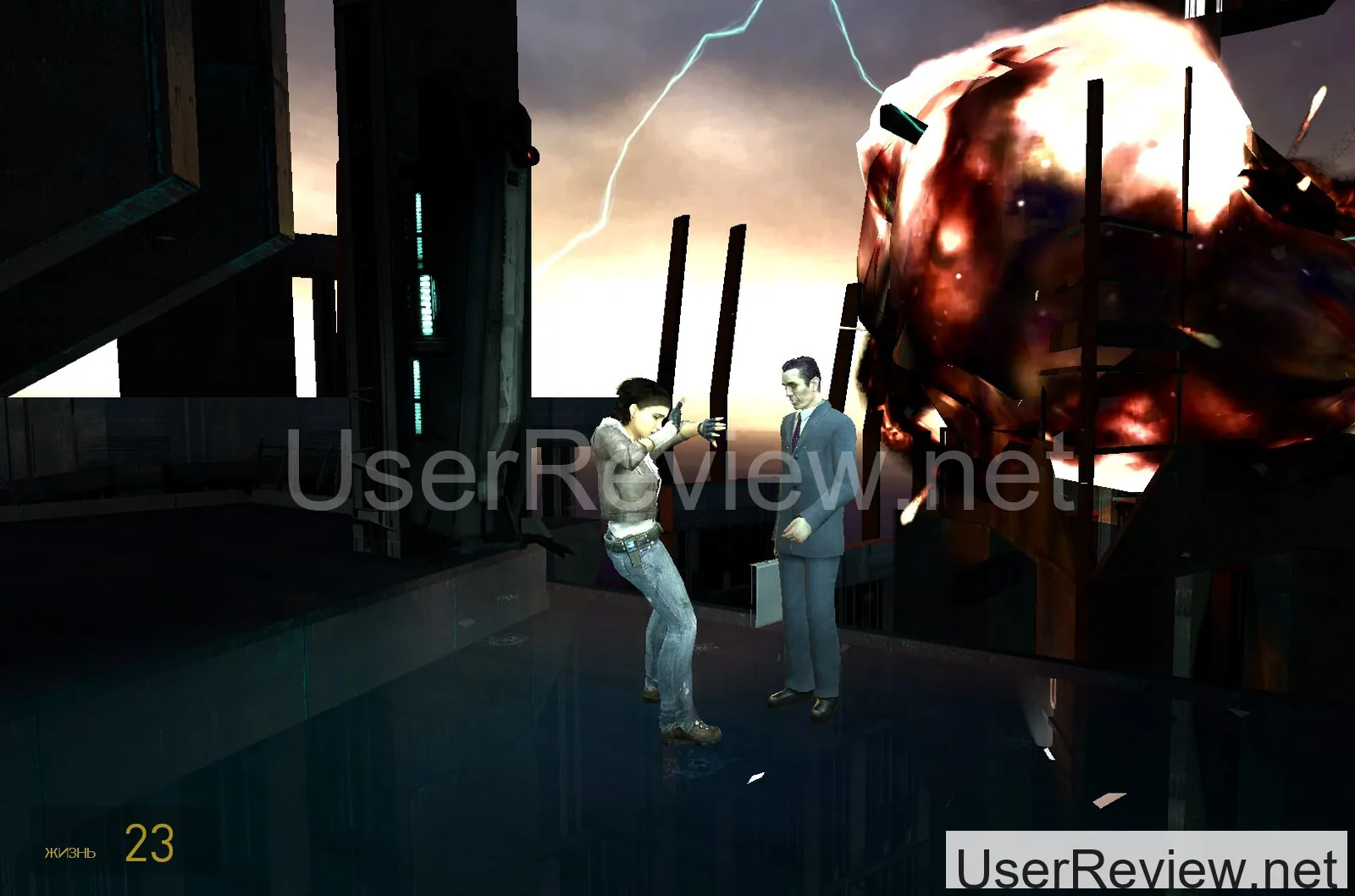
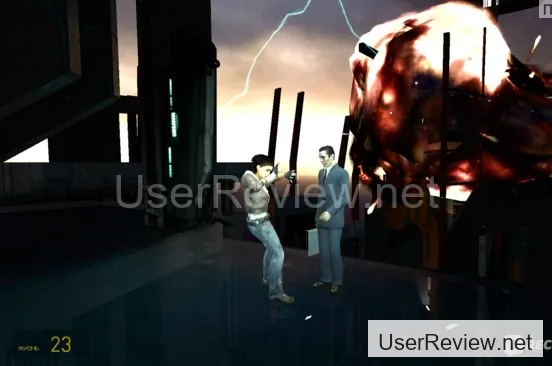
6) G-Man. I have to ask, where would you even put a guy in a business suit who can materialize anywhere, walk through walls, and stop time? Even when he shows up in the middle of a firefight on a balcony of a destroyed building, his tie is spotless. I've even wondered if G-Man is some kind of dark manifestation of Gordon Freeman's psyche, unleashed after he defeated Nihilanth. It's just so... surreal.
Time stands still for G-Man - talk about having a lot of time on your hands!
Kitchen combo, right? Even back when Half-Life 2 first came out, the system requirements were pretty chill. I mean, you could run it on a standard P-IV or AMD Athlon with 256-512 MB of RAM and a halfway decent video card at 1024x768. And if you upgraded to 1 GB of RAM and a DirectX 9 video card with at least 256 MB, you could easily crank it up to 1920x1080. I'm still amazed that Half-Life 2 still runs on any modern computer, even the super-budget ones, which is why it's still so popular.
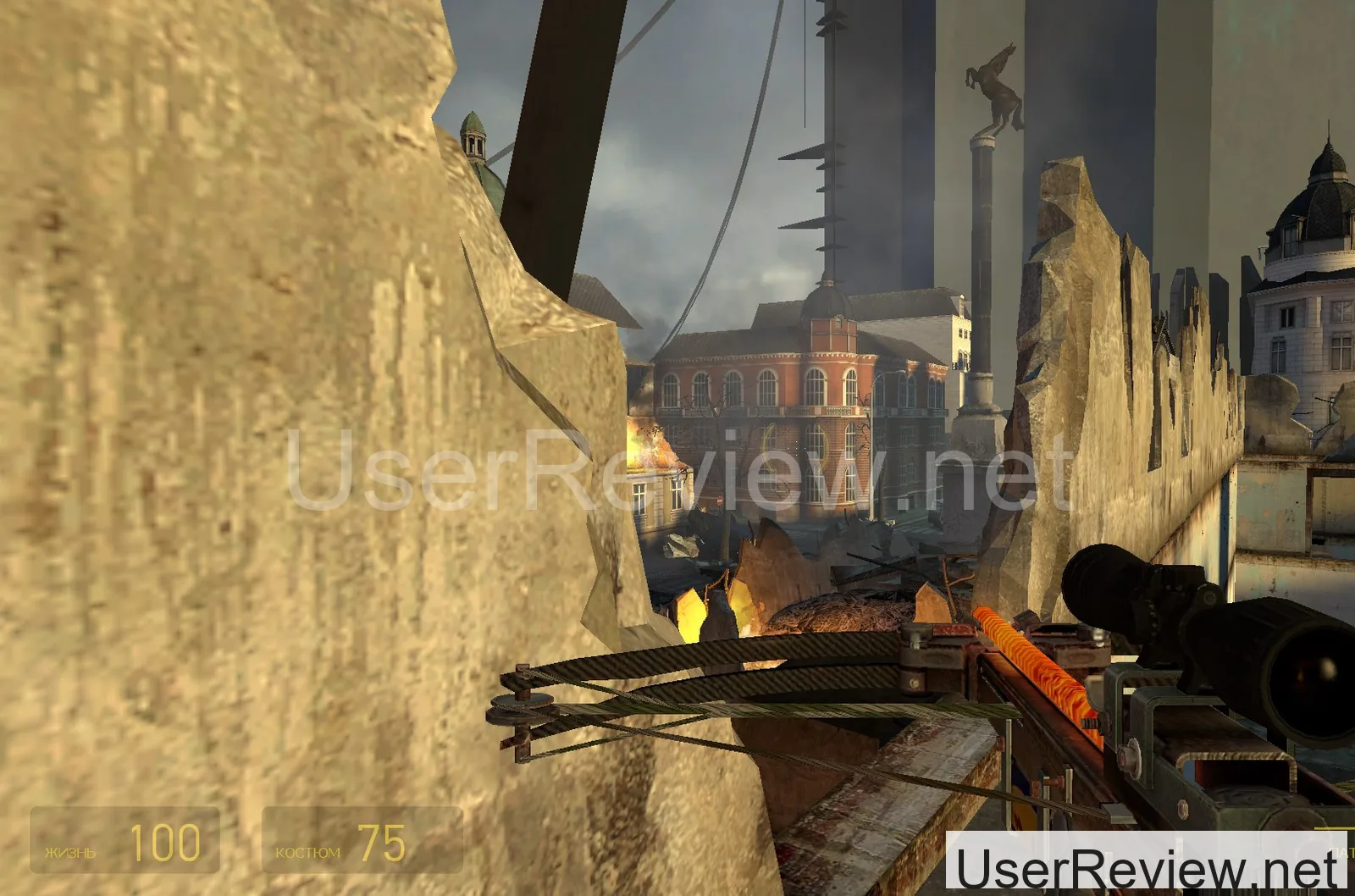
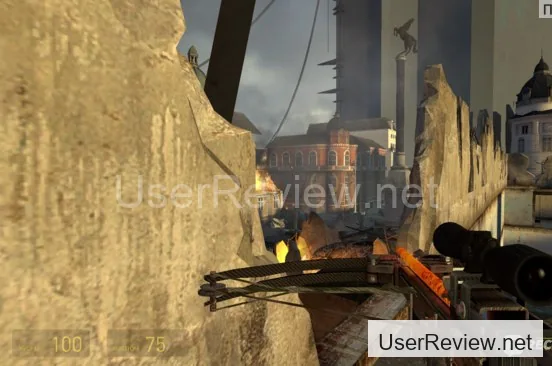
The crossbow in Freeman's arsenal made its debut in the first Half-Life, and it's just as effective in the second
Enemy AI has gotten a lot better - they'll even bring you ammo and medics will patch you up
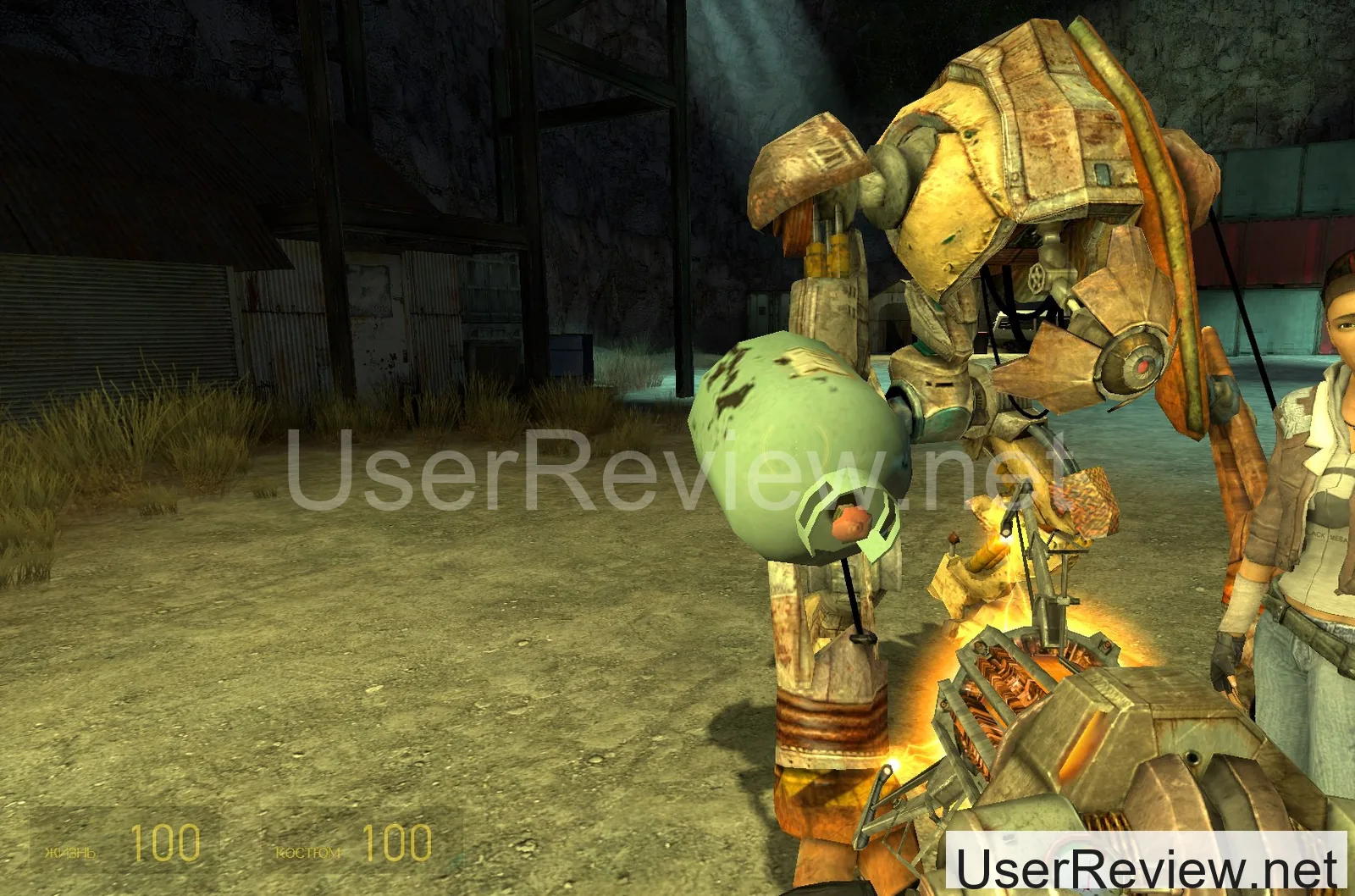
The robot is so powerful it can lift up the alien structure, clearing the way to the Citadel
My interest in Half-Life 2 never faded, thanks to the numerous sequels and spin-offs that followed, like Episodes 1 and 2, Portal, Alyx, Black Mesa, and so on. Half-Life 2 was actually one of the first games to really take off on Steam. Well, not exactly. Back in the day, before 2008 (and even into the early 2010s in some parts of the world), a lot of gamers didn't even think about Steam – they saw it as some kind of imposed feature. On low-end machines, every megabyte of RAM counted, so we'd try to strip out as many resident programs, clients, antivirus software, and launchers as possible. Our home internet was basically ADSL with a paltry few gigabytes of data per month. It was more cost-effective to pool our money and buy the official boxed version from a computer store. Despite my lukewarm feelings towards this classic, when I'd read the teasers in Game Country, I'd know that another 'pop hit' was on the horizon. Memes from Half-Life 2 quickly became ingrained in our culture. "Ah, the old road to Ravenholm! We haven't been down that way in ages!" "I ate them! They're nothing like crabs!" "The right person in the wrong place can turn the world upside down."
After the first Half-Life, Gordon never got used to the close-quarters combat
I've gotta say, the gravitational gun in this game makes me want to pull stuff towards me in real life. It's a similar feeling to when I used the kinesis module in Dead Space and the Atomic Heart gloves.
The Alliance's energy field-enhanced gravitational gun becomes a total game-changer that scatters enemies everywhere. Too bad this feature only shows up towards the end of the game
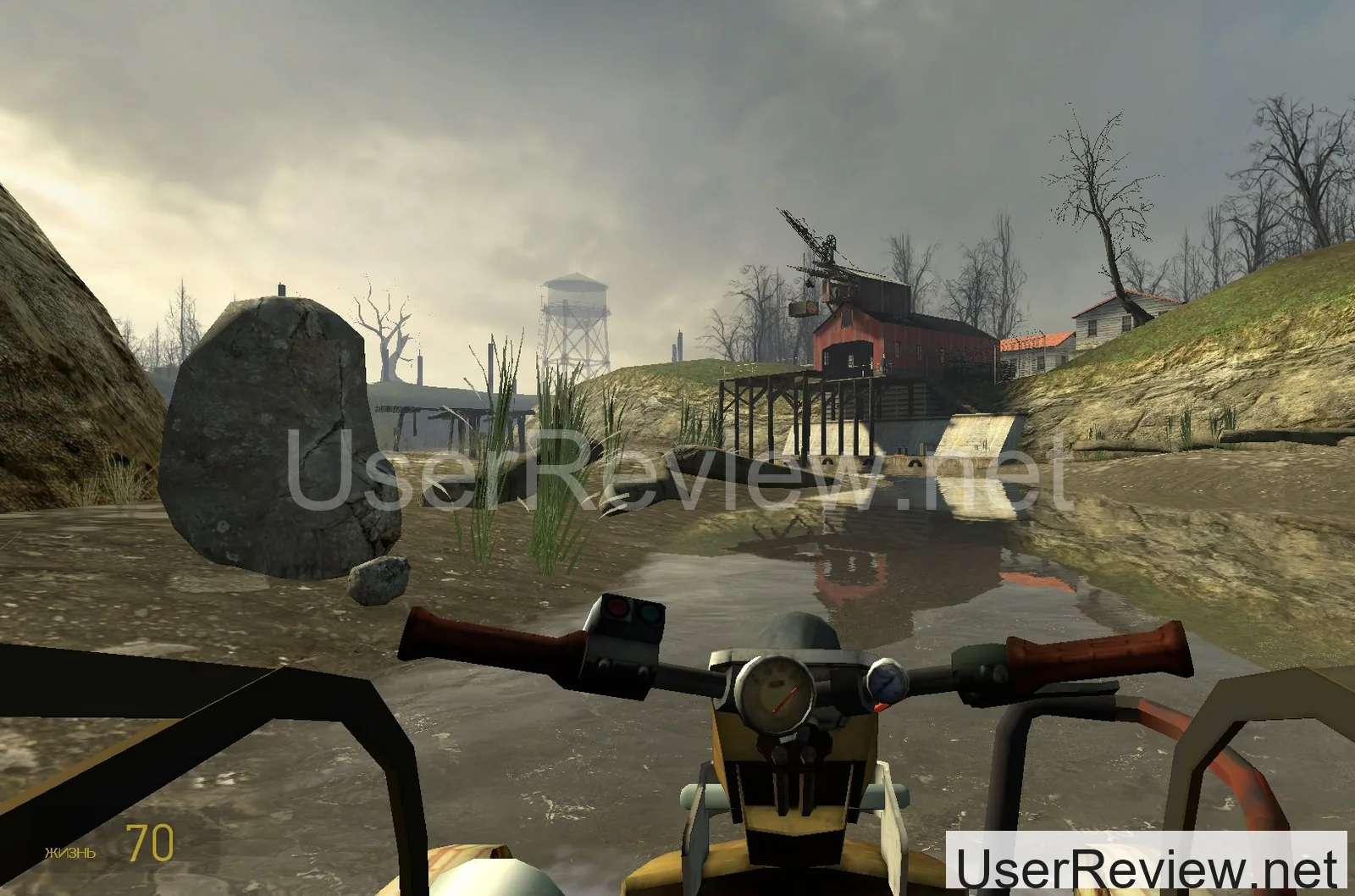
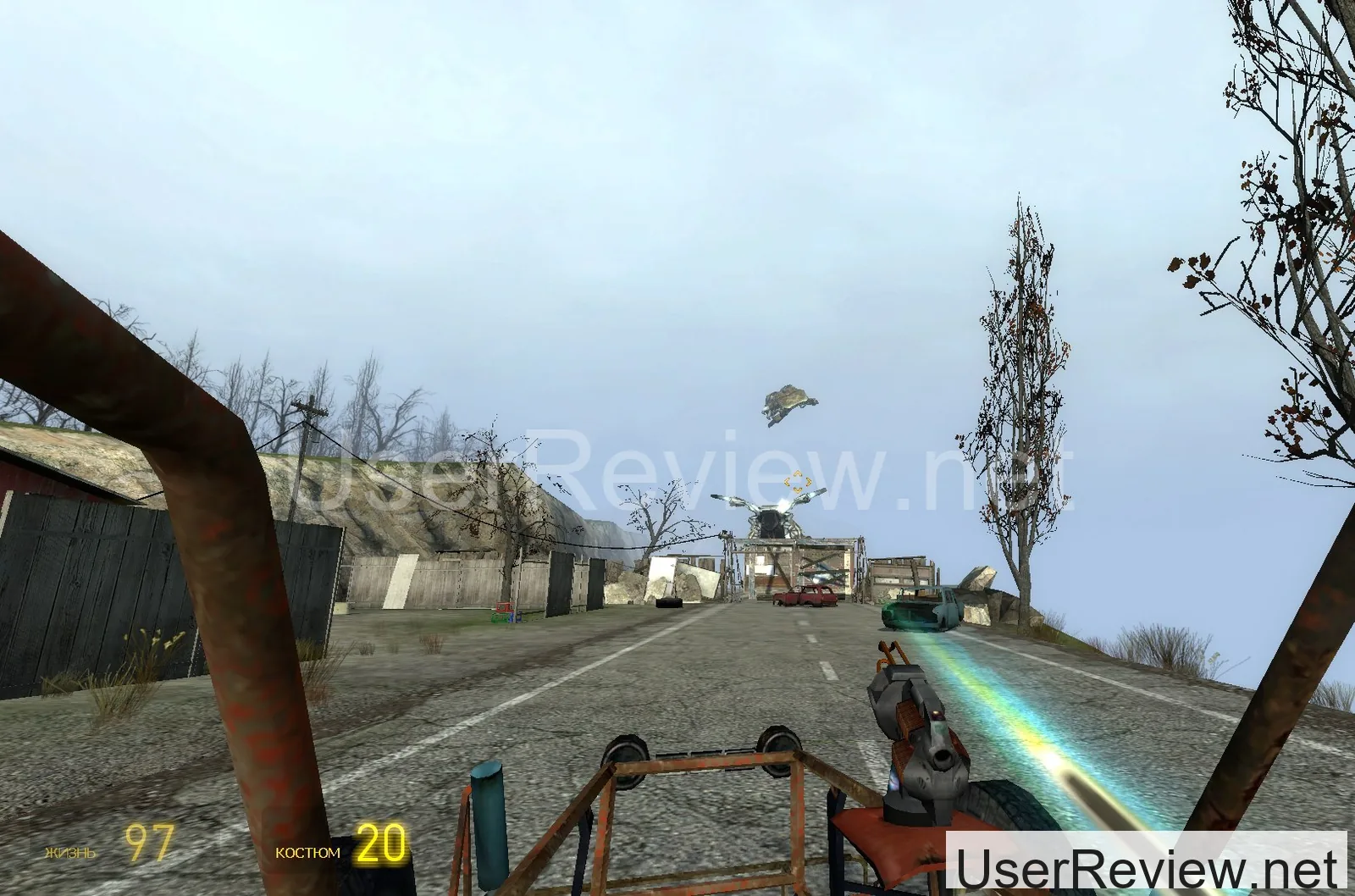
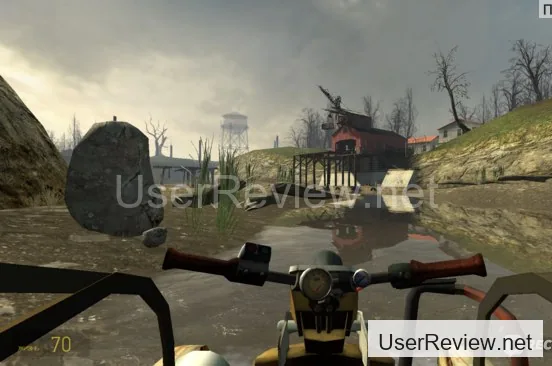
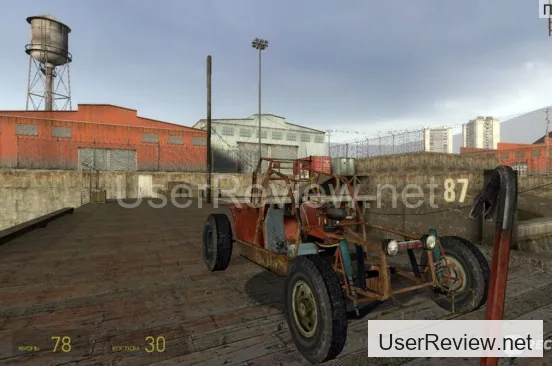
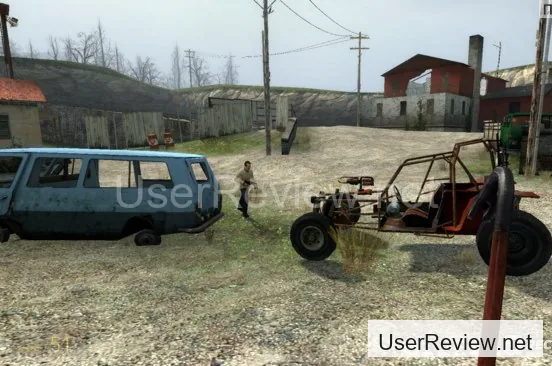
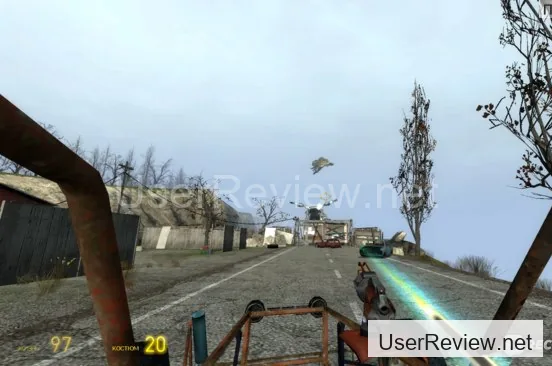
I'm loving that Gordon Freeman can now officially control vehicles in the game. My allies hook me up with an aeroglider and an open-top buggy - it's a sweet ride.
The glider's ready to roll - time to hit the road
I love cruising around on it with the wind in my hair, but the enemies are gonna try to ruin the party
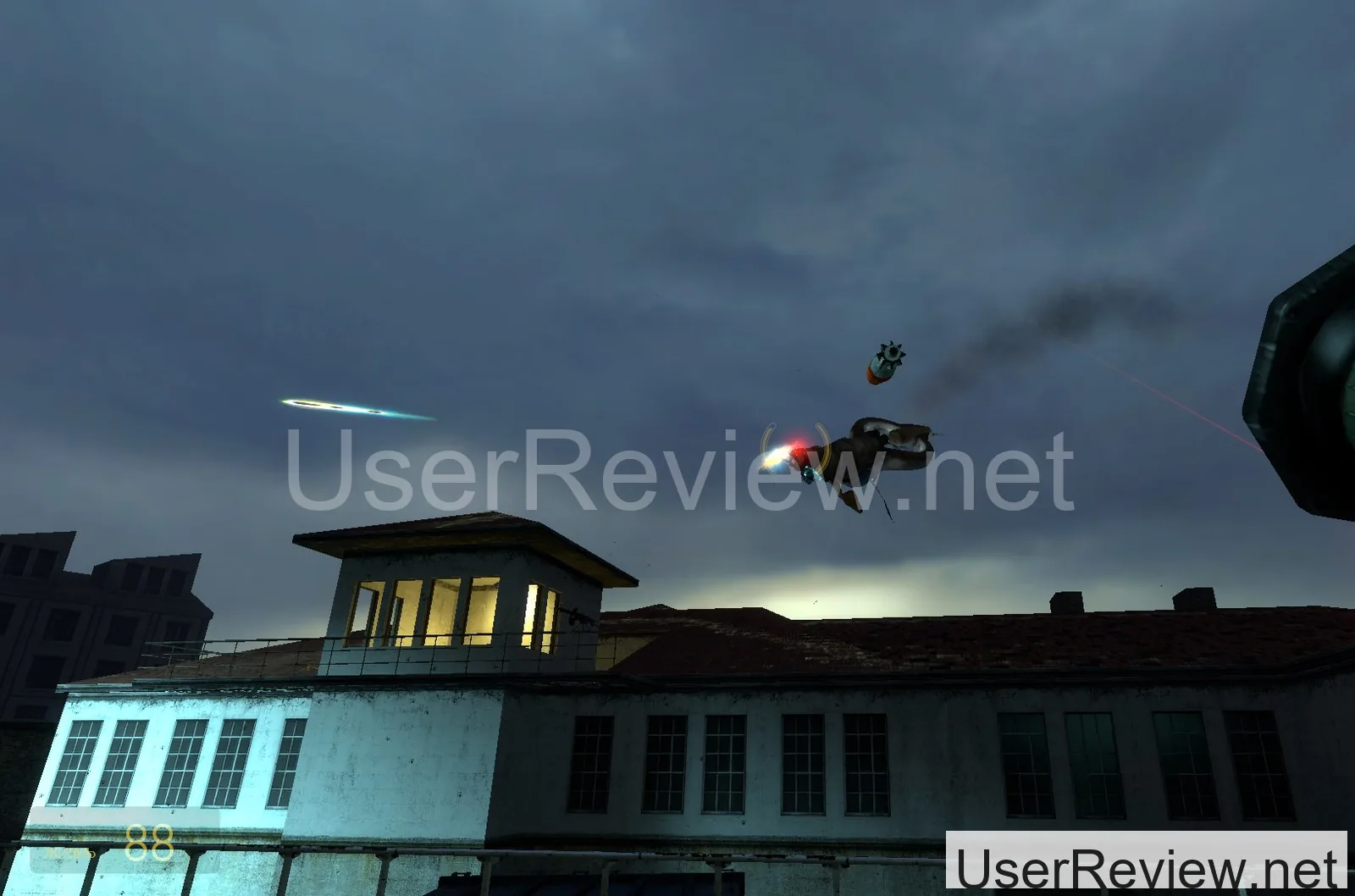
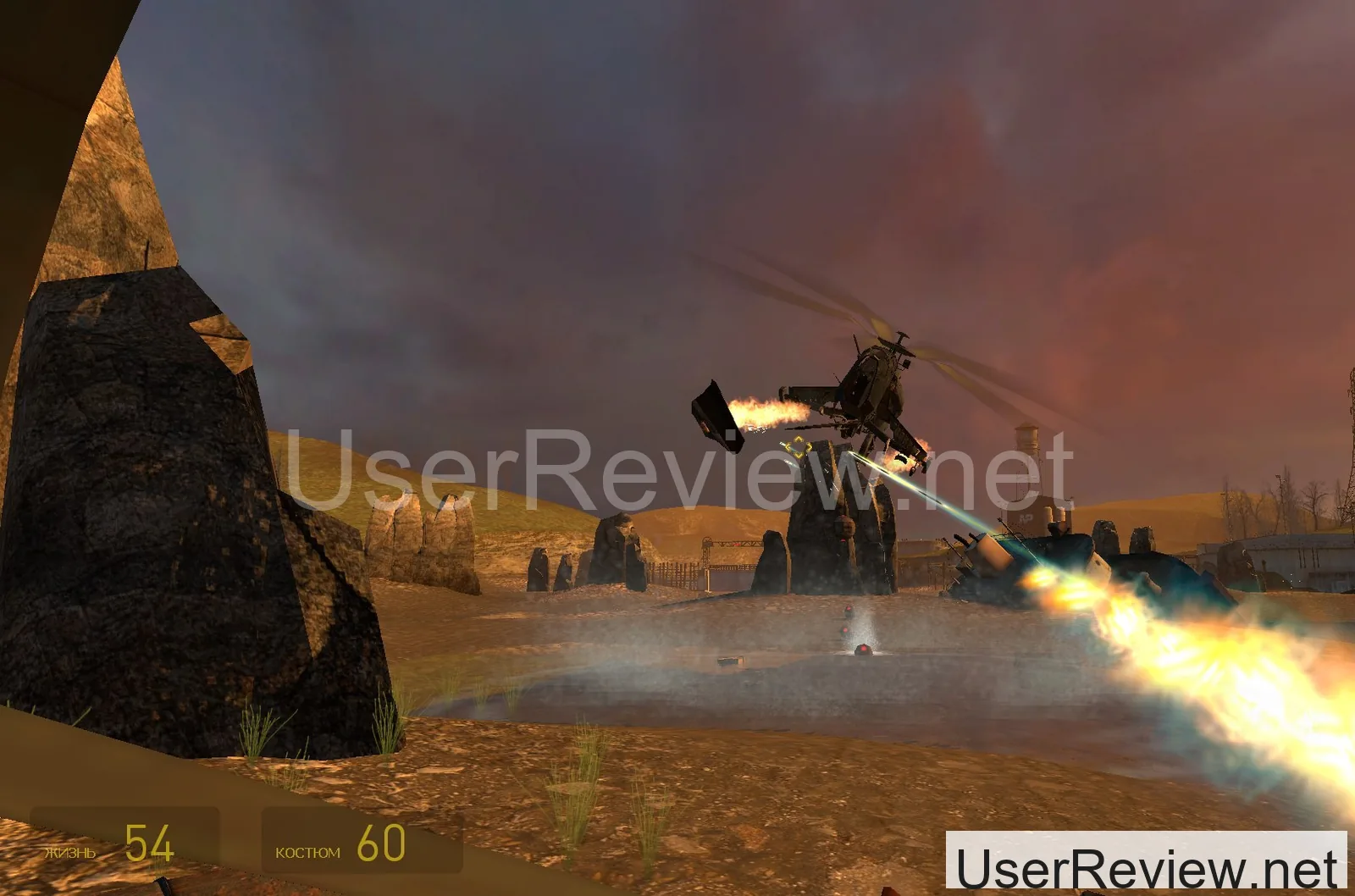
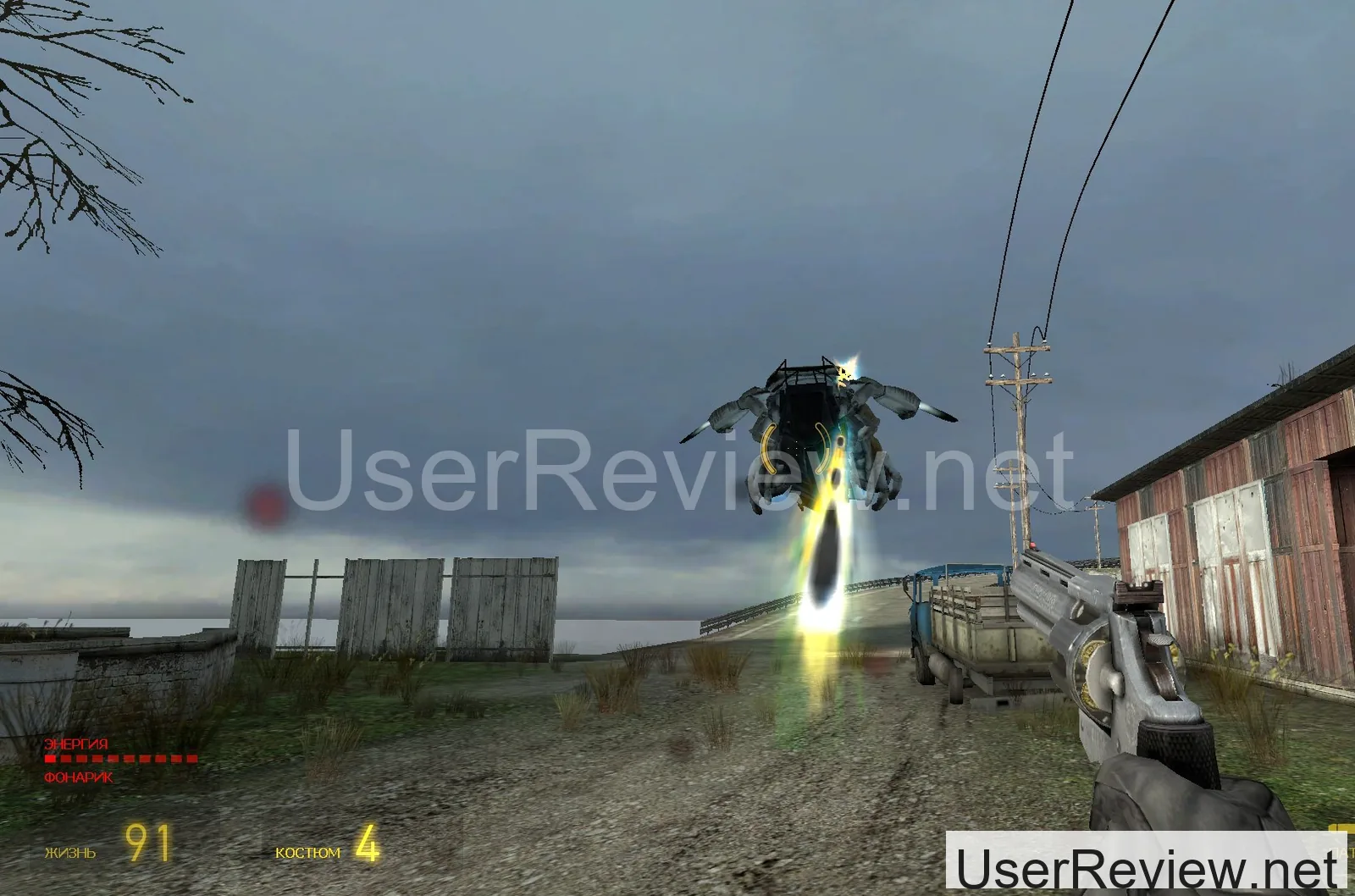
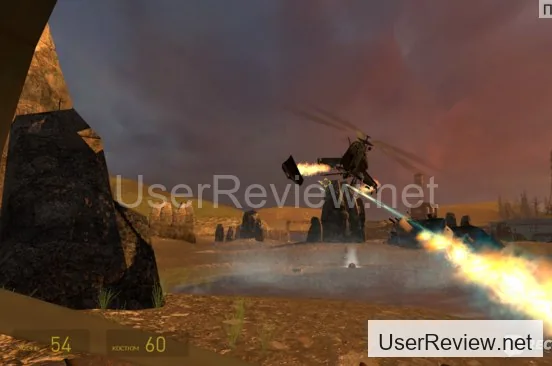
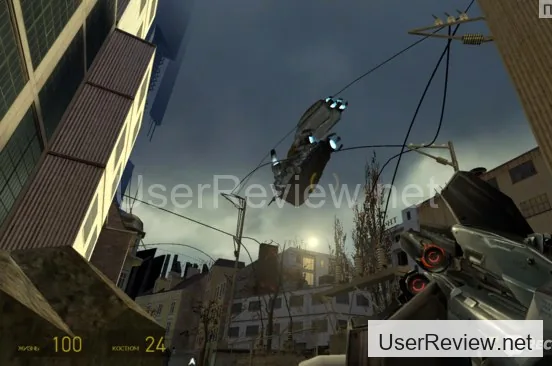
The helicopter's just a split second away from getting shot down
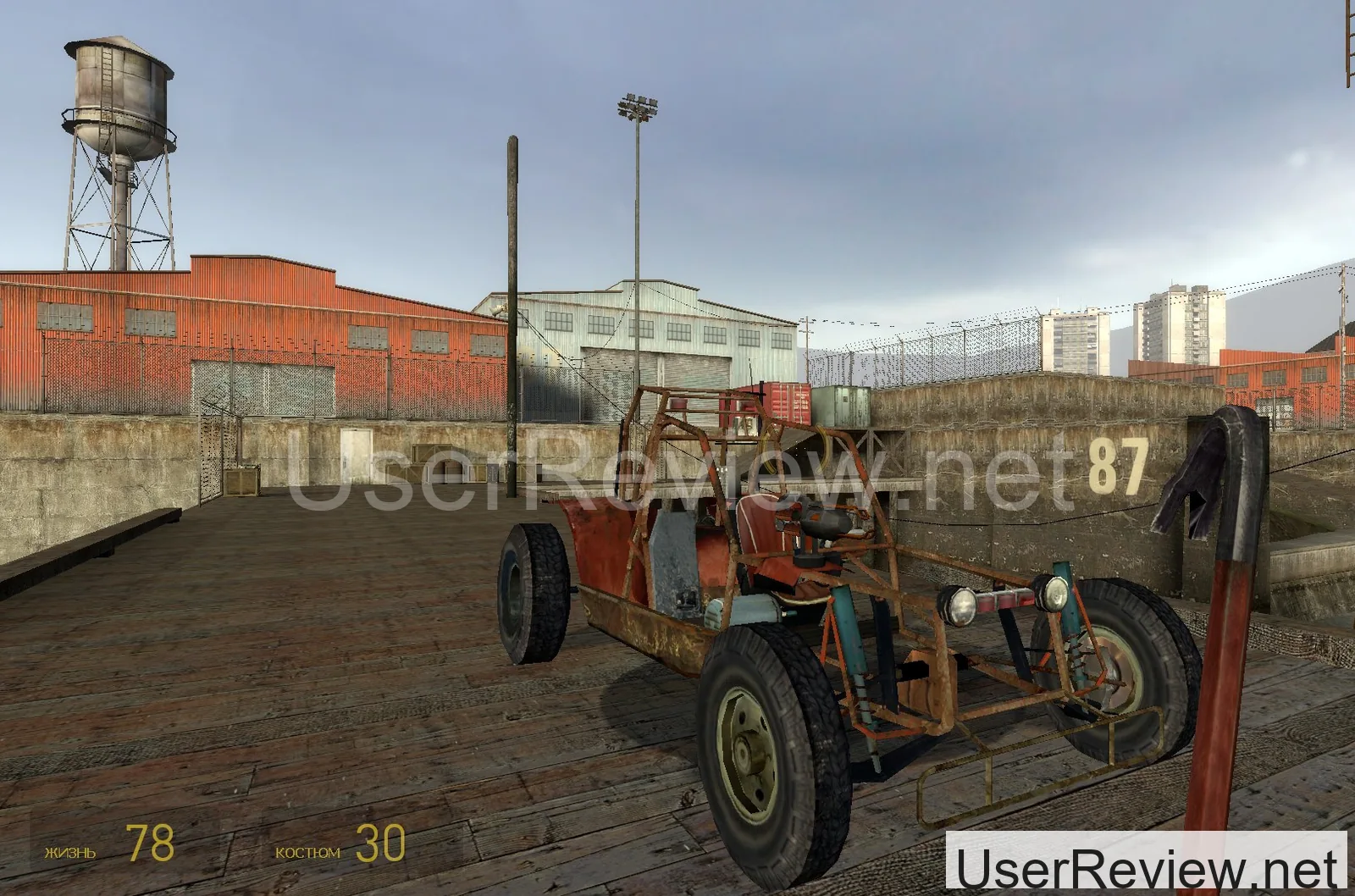
The buggy's straight out of a Mad Max movie
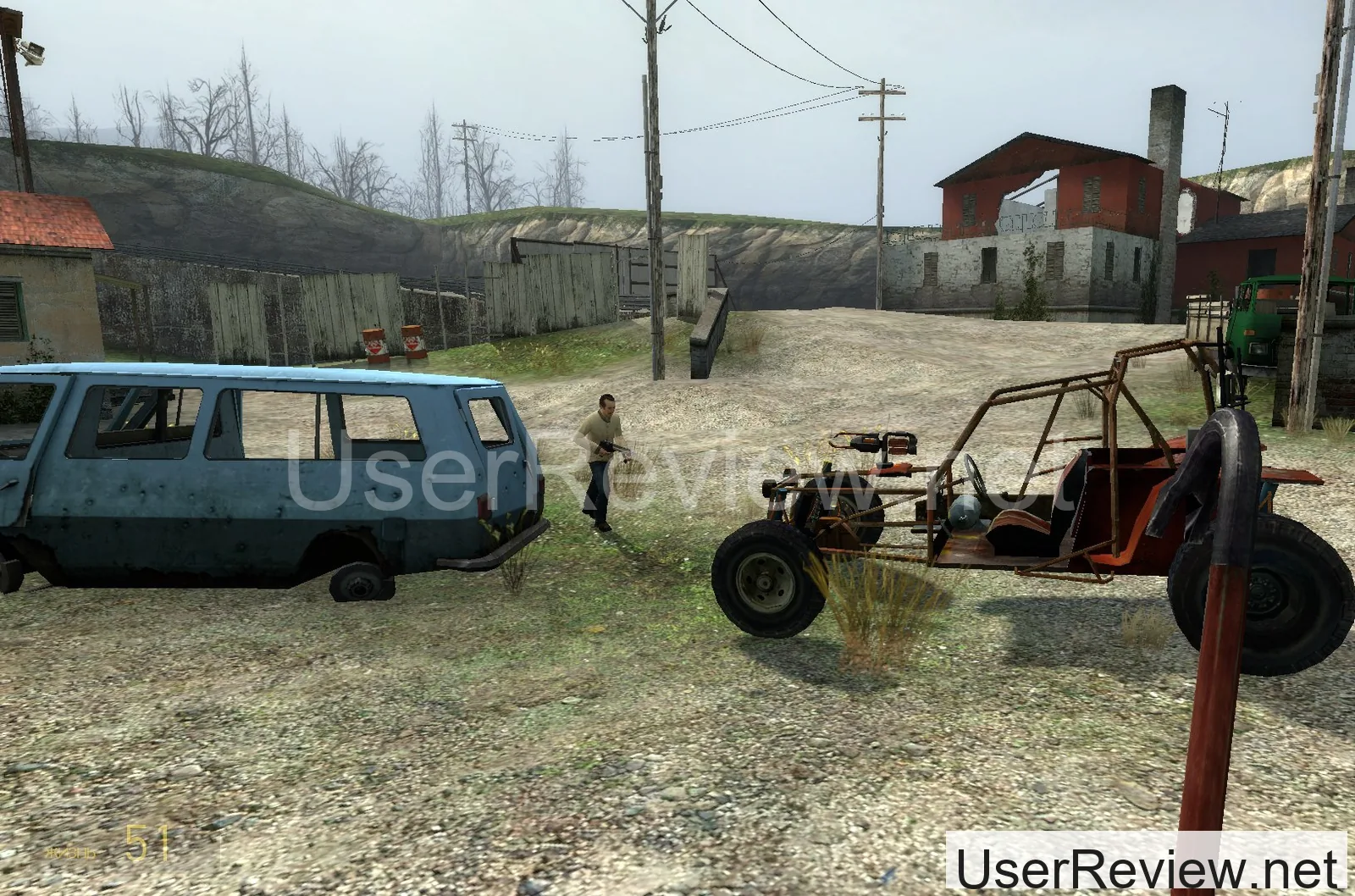
Not all roadblocks get taken out by the car - you'll need to find the key for some of 'em
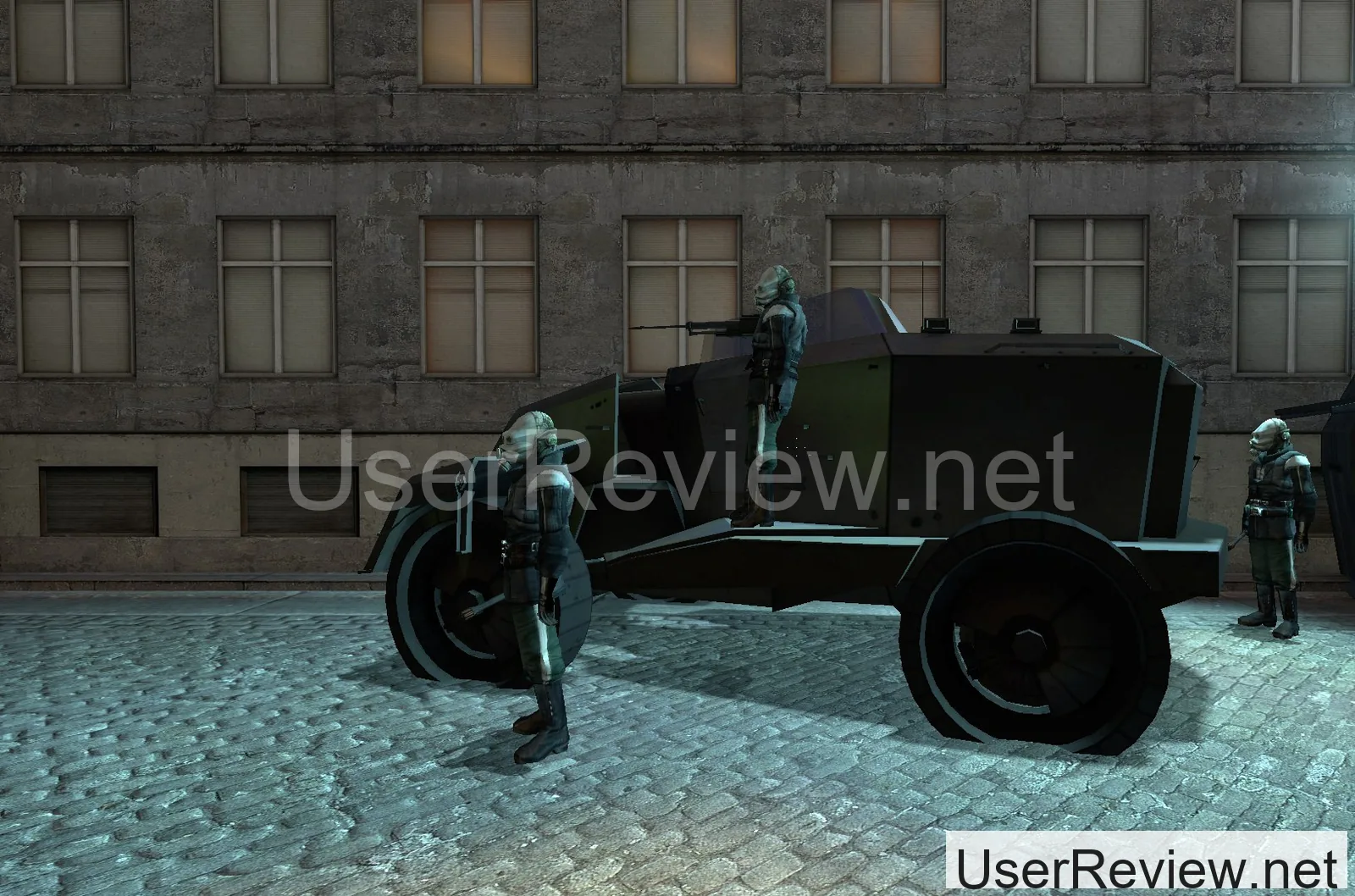
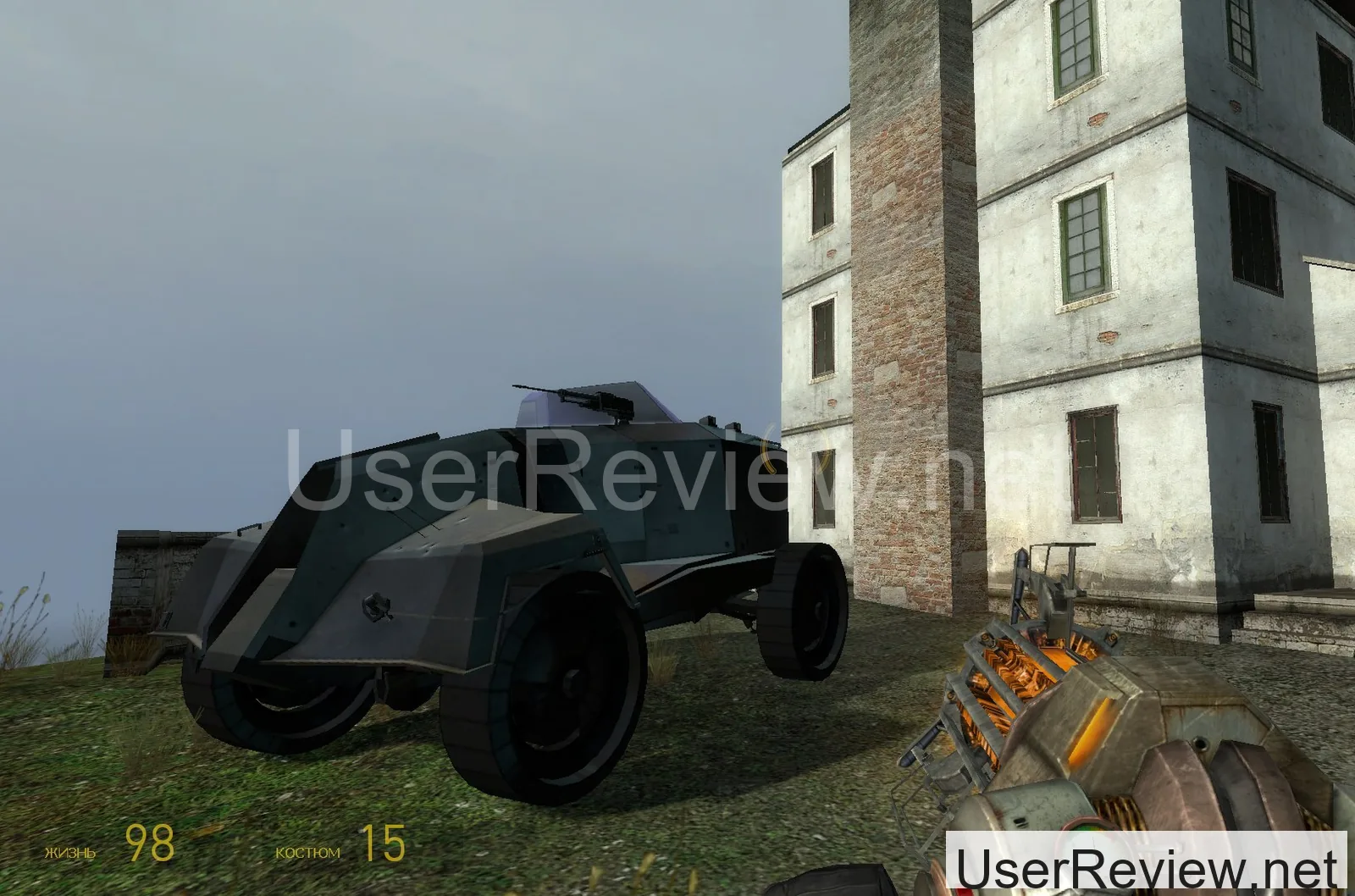
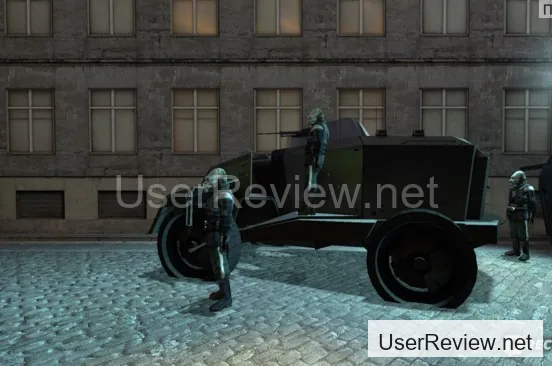
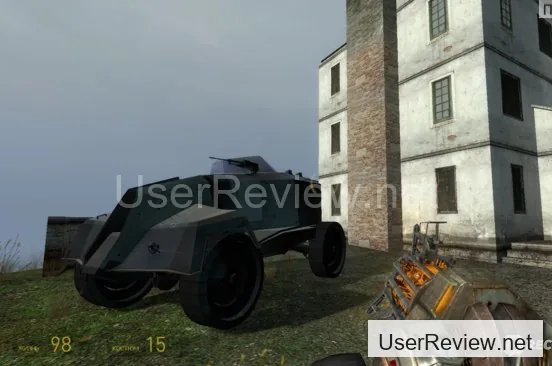
I've gotta say, even the enemy's tanks like to roll around in style, using their tech. The Combine APC is basically their go-to ground transport. Unfortunately, without some mods, Freeman can't get his hands on one. But even in the enemy's hands, these APCs are pretty meh. They only move around in scripted scenes, and they're lucky if they get off a few shots per game. Most of the time, they're just decoration. On Highway 17, one of the APCs is hooked up to a pole, powering the force field. You can take it out with a grav-pulse, and it'll break the connection. It's kinda weird that these things are so light, though. I mean, a grav-pulse can't even budge a standard truck, let alone a semi or a pile of scrap metal. I like to take out the Combine's APCs by pushing them off a cliff. You can also try sneaking up on the enemy with a grav-pulse and crushing them with a nearby tank. But that usually happens by accident when things get crazy and you're running low on grenades.
APC with crew
You'll see these things all over the place throughout the game, but they rarely actually do anything.
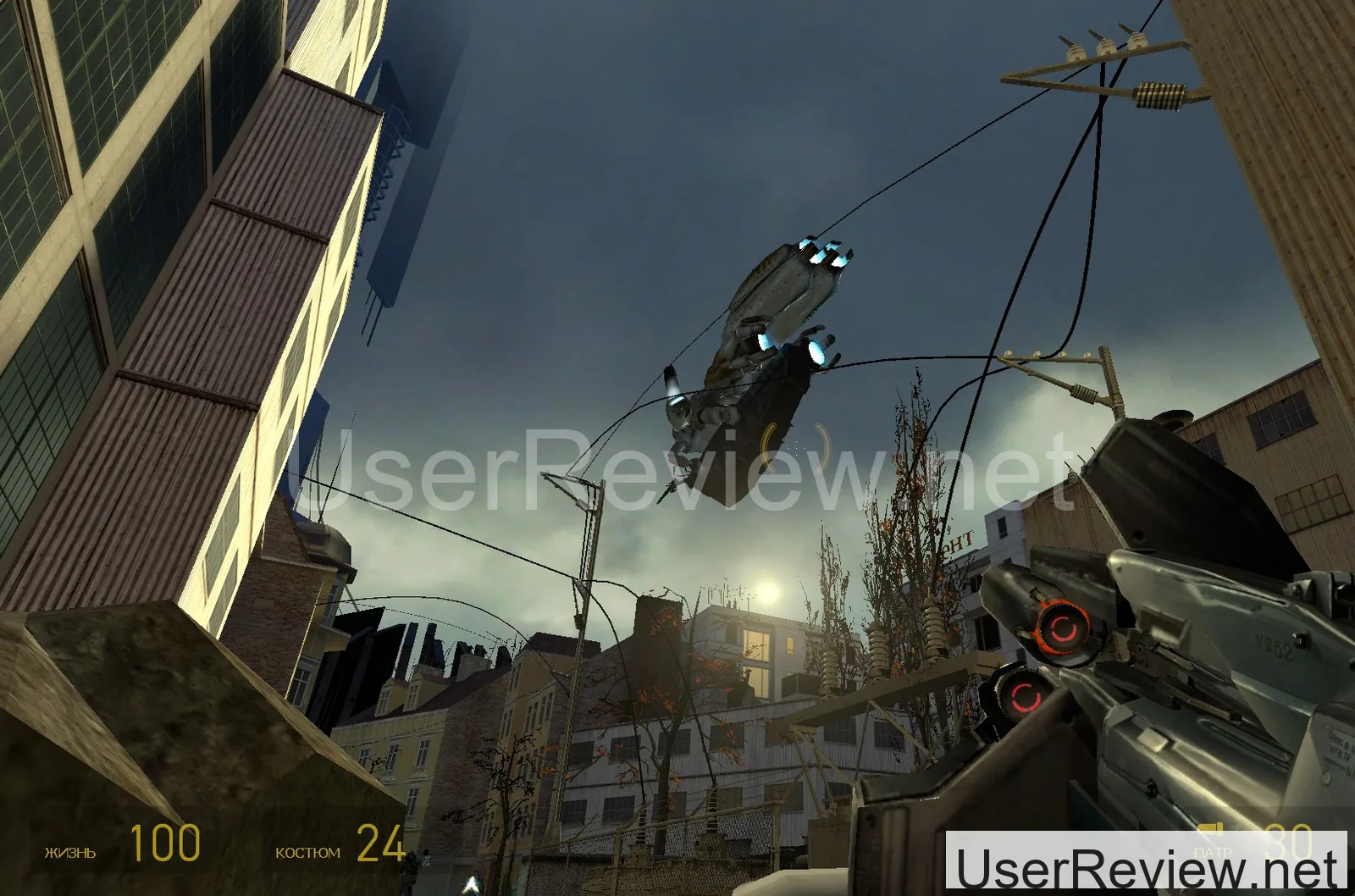
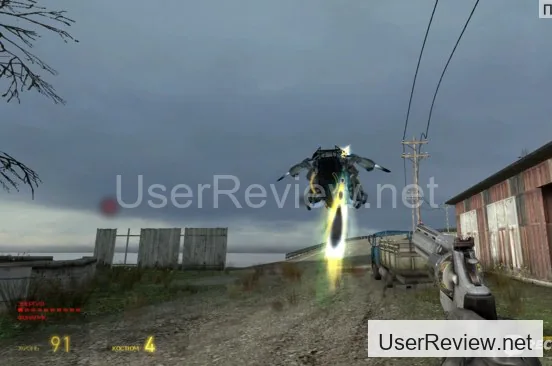
The air transports - which I'm pretty sure are synthetics - have got some serious grip on those containers with soldiers inside. Unlike helicopters and synth-planes, these transports are basically untouchable. But you can try to shake them loose by crashing the container. That's about it, though.
Ally transport in flight. It's got its front claws wrapped around the container, and what looks like some kind of rocket engines on the back
These transports don't have any guns of their own, but the one on the container they're carrying does. Still, it's best to steer clear of their fire.
These are the only kind of aircraft you can see landing.
One of the things that really stands out about the trains in Half-Life 2 is their design. They look like they're made from some kind of otherworldly metal, like they're giving those old war trains from World War I a run for their money in terms of style. The only trains that move on both the regular rail lines and inside the Citadel are these sleek, futuristic ones. Meanwhile, regular civilians are stuck with the old trains from the mid-20th century.
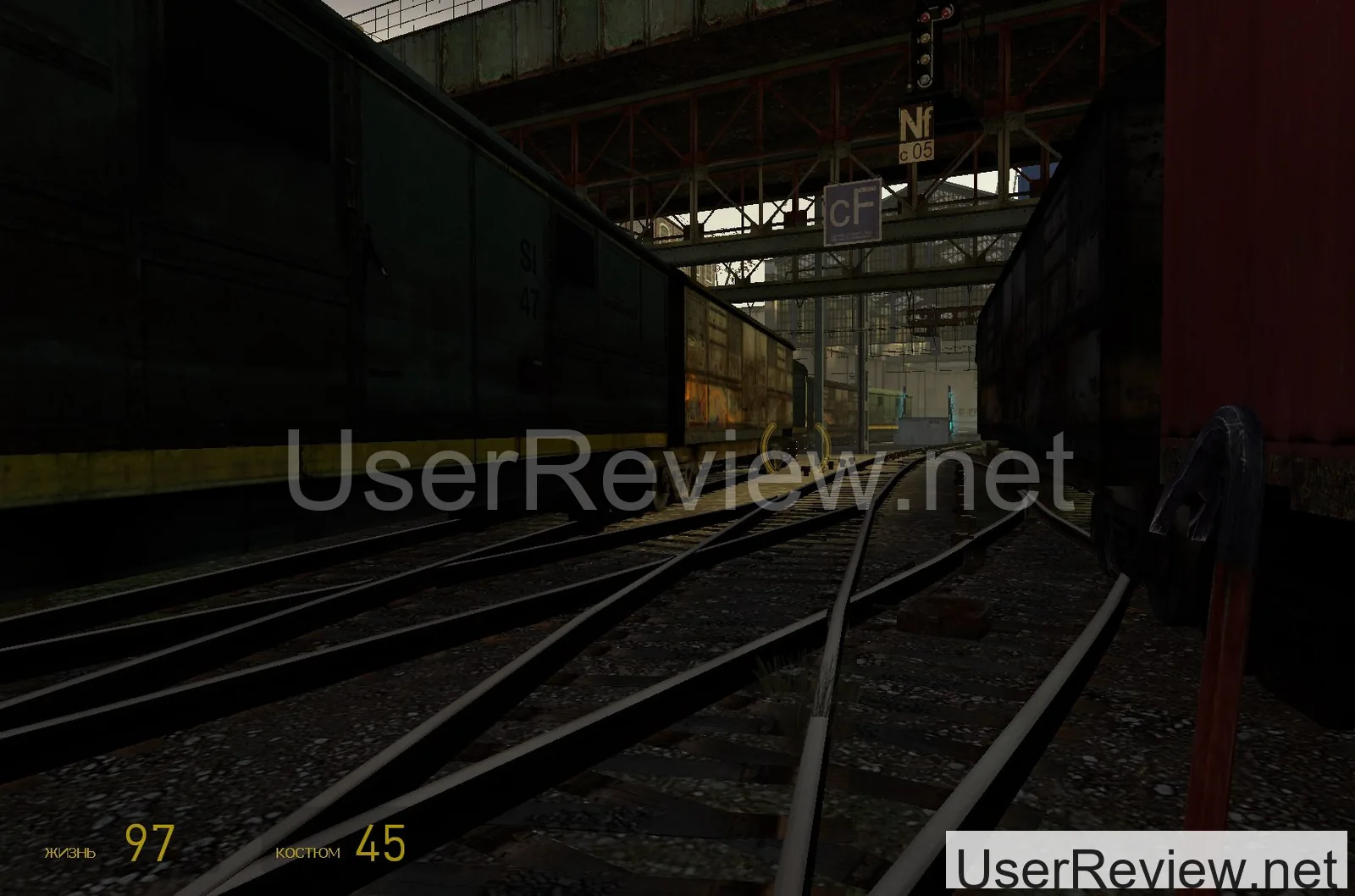
The rail network is basically one of the last remnants of the old infrastructure
HOME - PLANET EARTH
The developers of Half-Life 2 did a great job of minimizing the number of corridor levels and showing off as much open space as possible, creating a sense of grandeur. Compared to the first Half-Life, the levels are 16 times larger in each dimension and 64 times larger overall. Of course, the graphics aren't exactly realistic, and our computers aren't infinitely powerful, so some of the objects might look a bit simplified. But the locations are still pretty impressive.
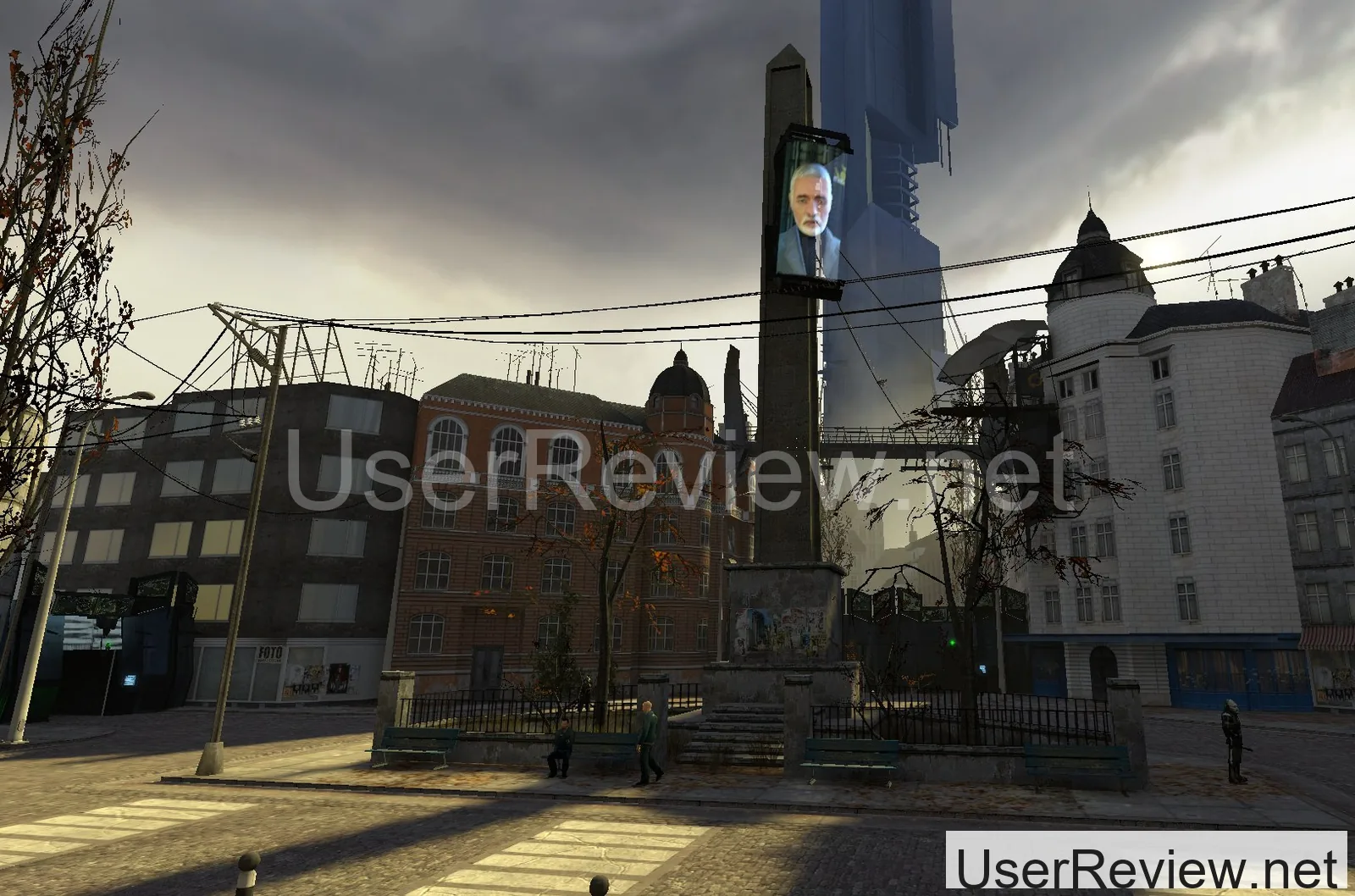
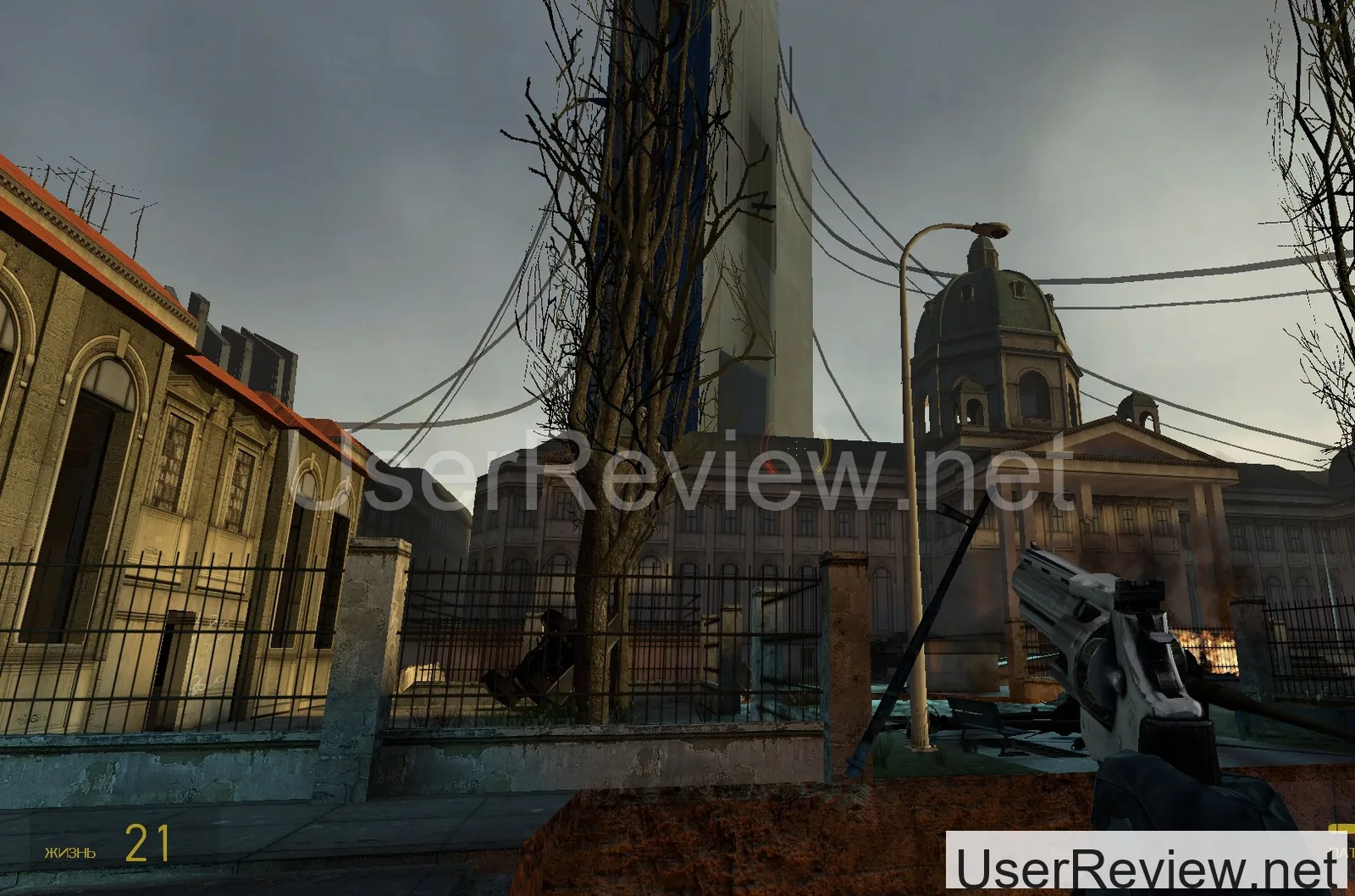
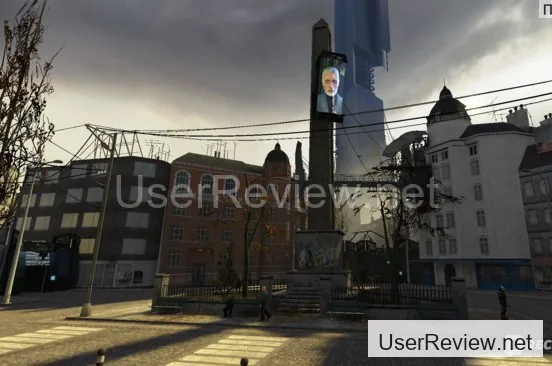
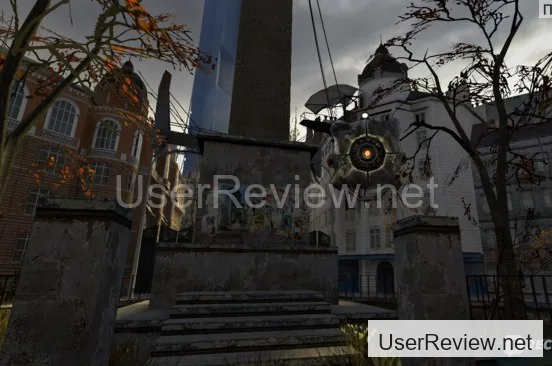
Take the historic district with the train station and monument in City 17, for example. It's like they're building skyscrapers out of metal and mirrored glass right now. Almost every city has its own Citadel in the middle of the historic district, sometimes even multiple ones.
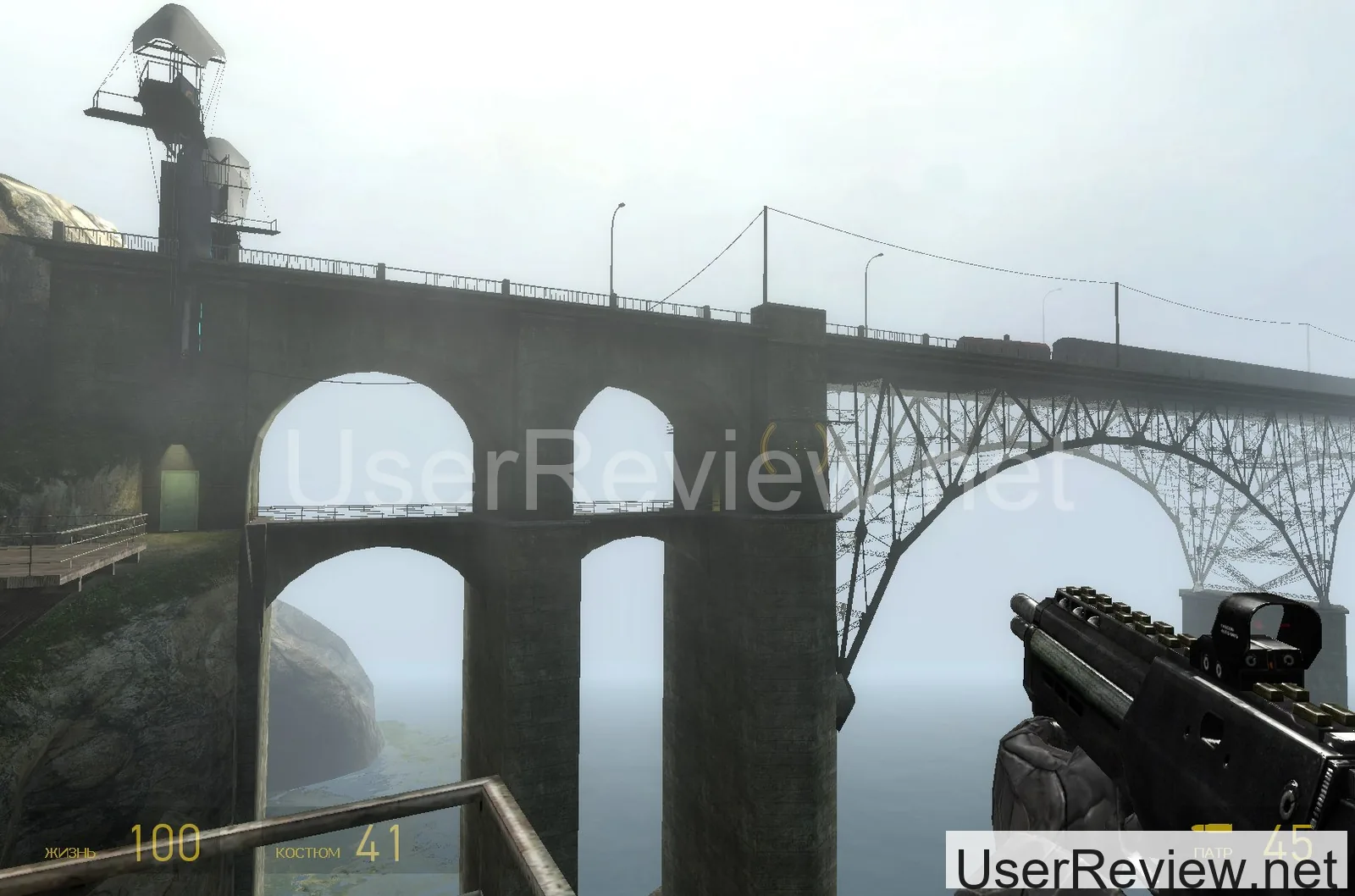
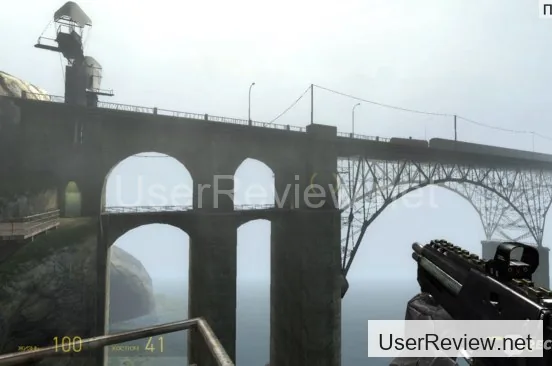
The massive arched bridge over the bay, shaking as the trains go by - it's a real downer now. The abandoned mining town of Ravenholm, where you can find plenty of delicious headcrabs. The black ones are especially prized, but you have to cook them just right. Only Father Grigori knows how to survive in a sea of zombies roaming the streets.
The rusting ships in the desert where the ocean used to be. The old Ladas and Moskviches abandoned in the middle of the road. The old theater posters with Meyerhold's name on them. The old playground in the backyard and the doll left in the non-functional elevator. The destruction of this once-thriving world hits you harder than a disaster at some abstract research facility in New Mexico. The lab, the lab, it's all just a lab. They had the aliens from Xen there before Freeman, although an alternative perspective suggests that Freeman is living in a simulation modeling different disaster scenarios.
The bridge is one of the most atmospheric places in the game
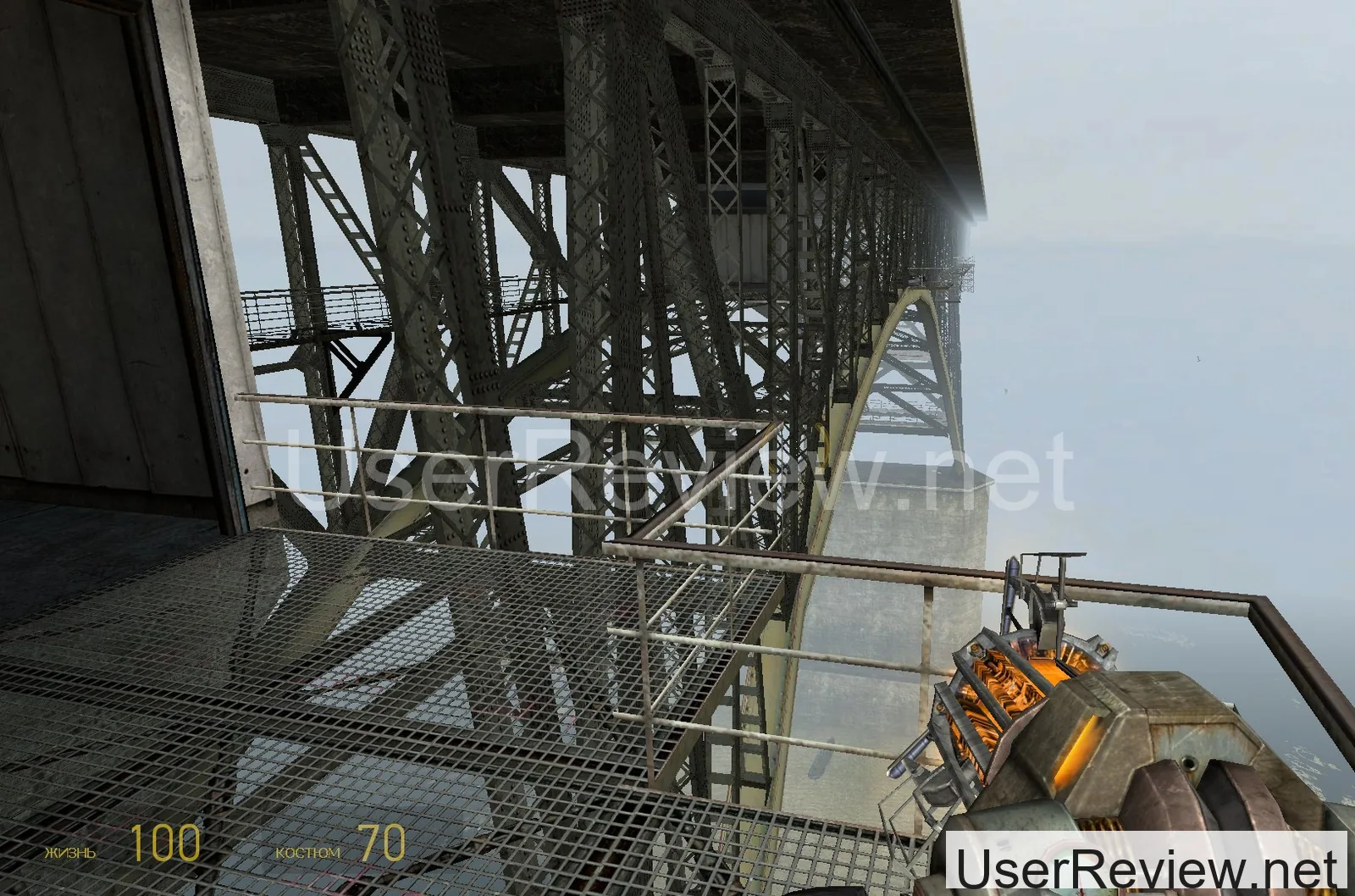
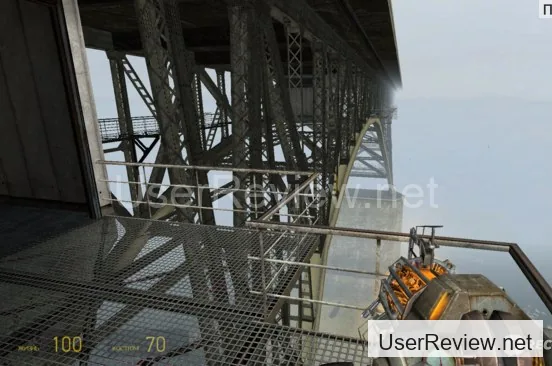
Walking on it is full of dangers, but it's worth it
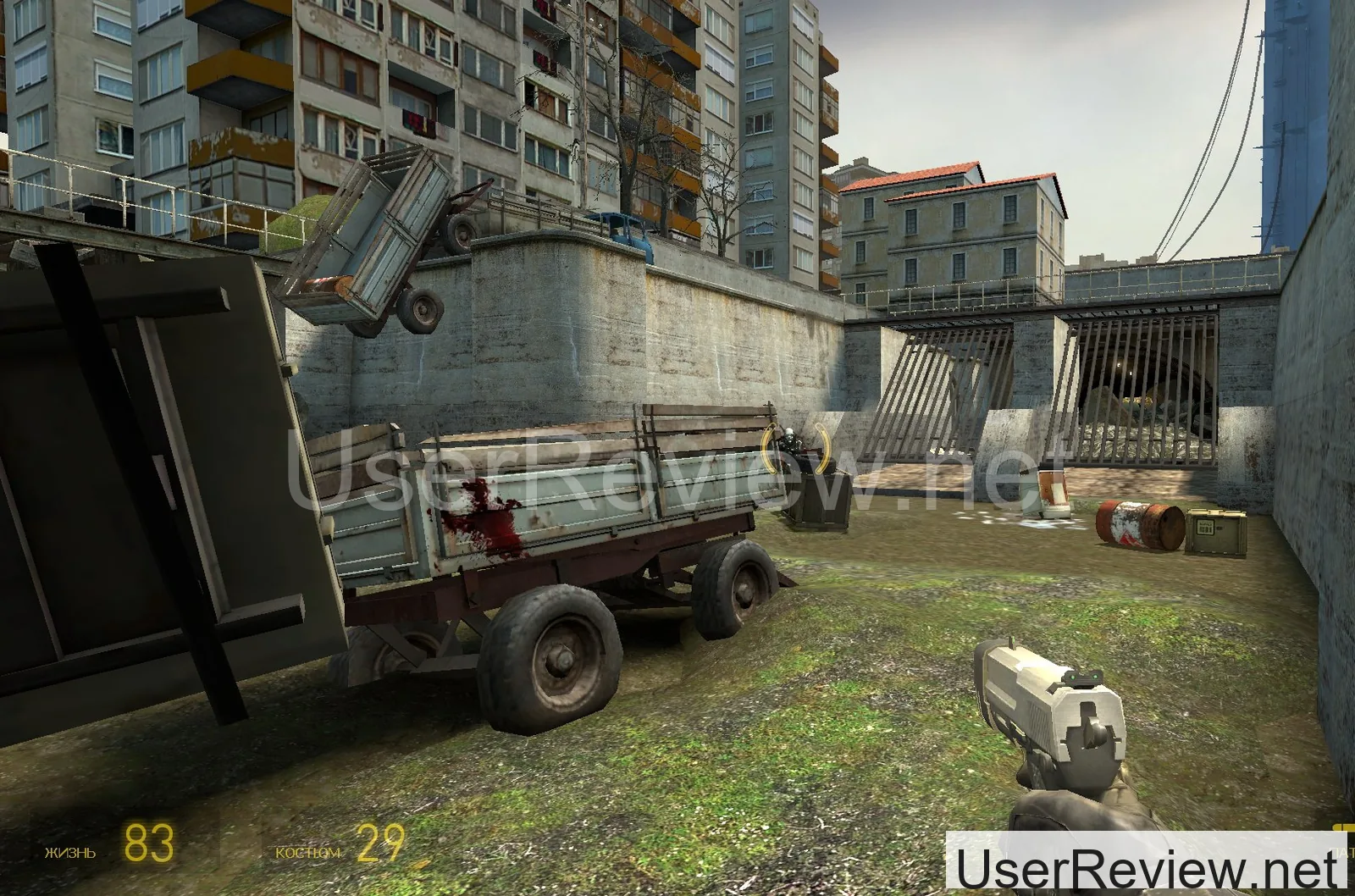
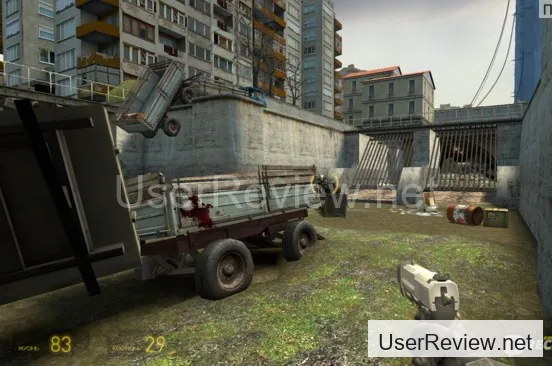
The cityscape is a total downer. I mean, peeling walls, empty canals filled with toxic waste, and abandoned machinery just lying around everywhere - it's a real eye-opener.
Ravenholm's a heart-wrenching and terrifying place all at once. I mean, it's like the whole town's been ravaged by these zombies.
Gravity guns and circular saw blades - that's how you take down hordes of zombies. It's like a real-life horror movie.
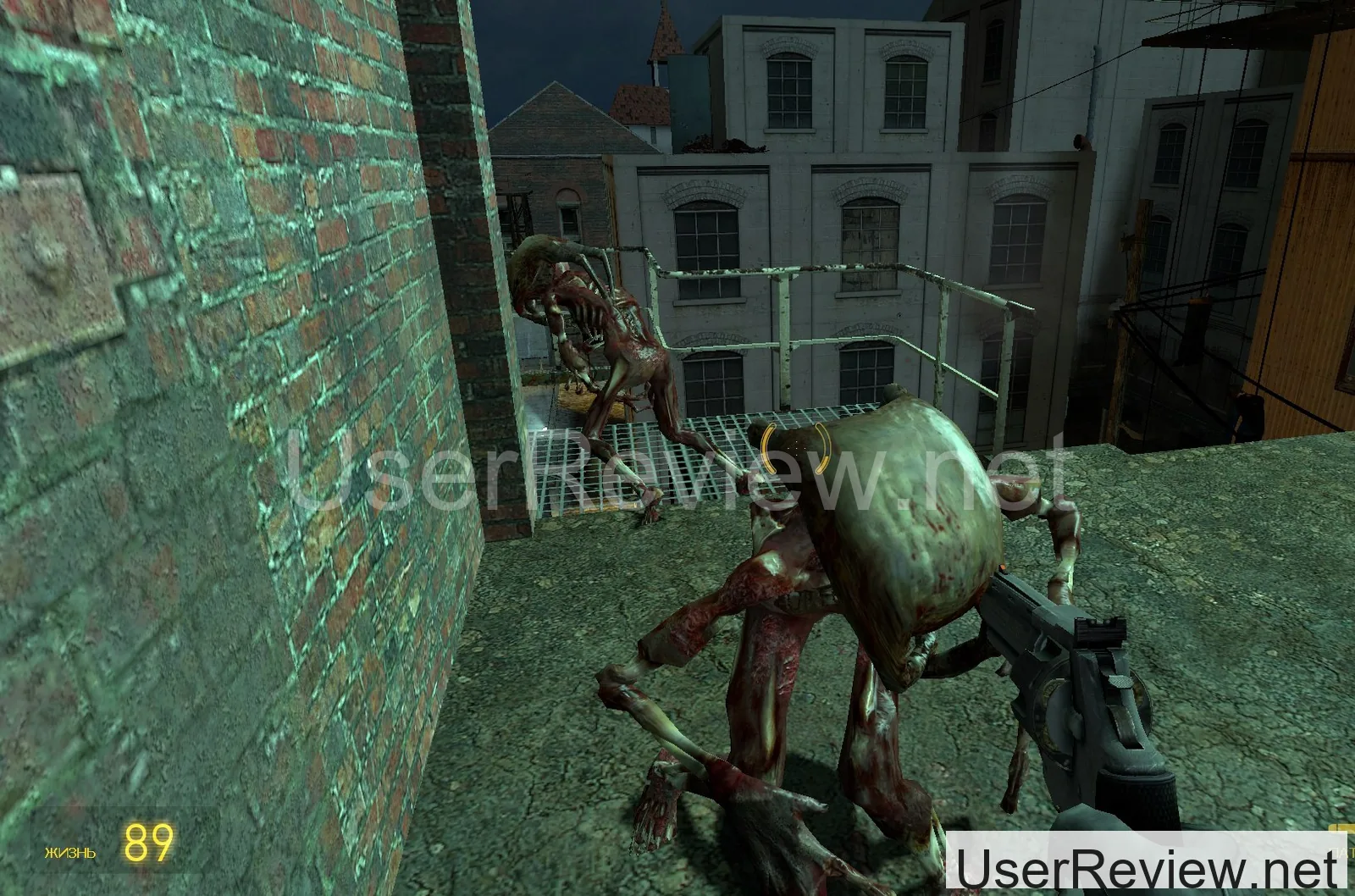
Roofs might seem safer, but they're not much better - zombies can still get to you. I've had my fair share of close calls.
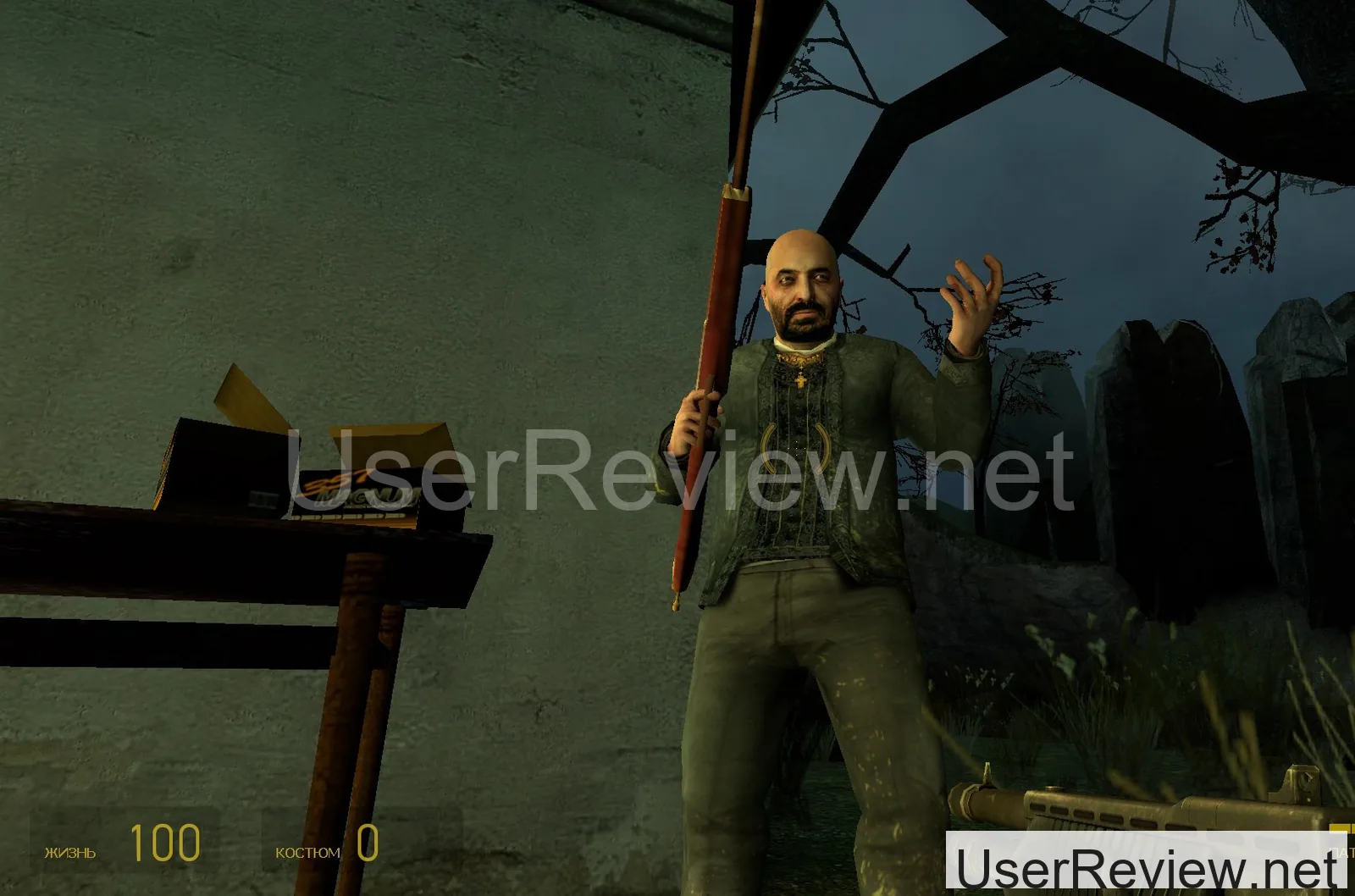
Grigori, the father, is the most colorful character - a true example of spirit. He's got a lot of heart, and it shows in the way he's fighting to survive.
Valve did everything right to make this game an instant classic, from the well-prepared marketing campaign to the massive game world. I've got to give them credit - the levels are expertly designed, the story's believable, the tech is diverse, and the music by Kelly Bailey is dynamic and changes with the scenario. It's like they knew exactly what they were doing.
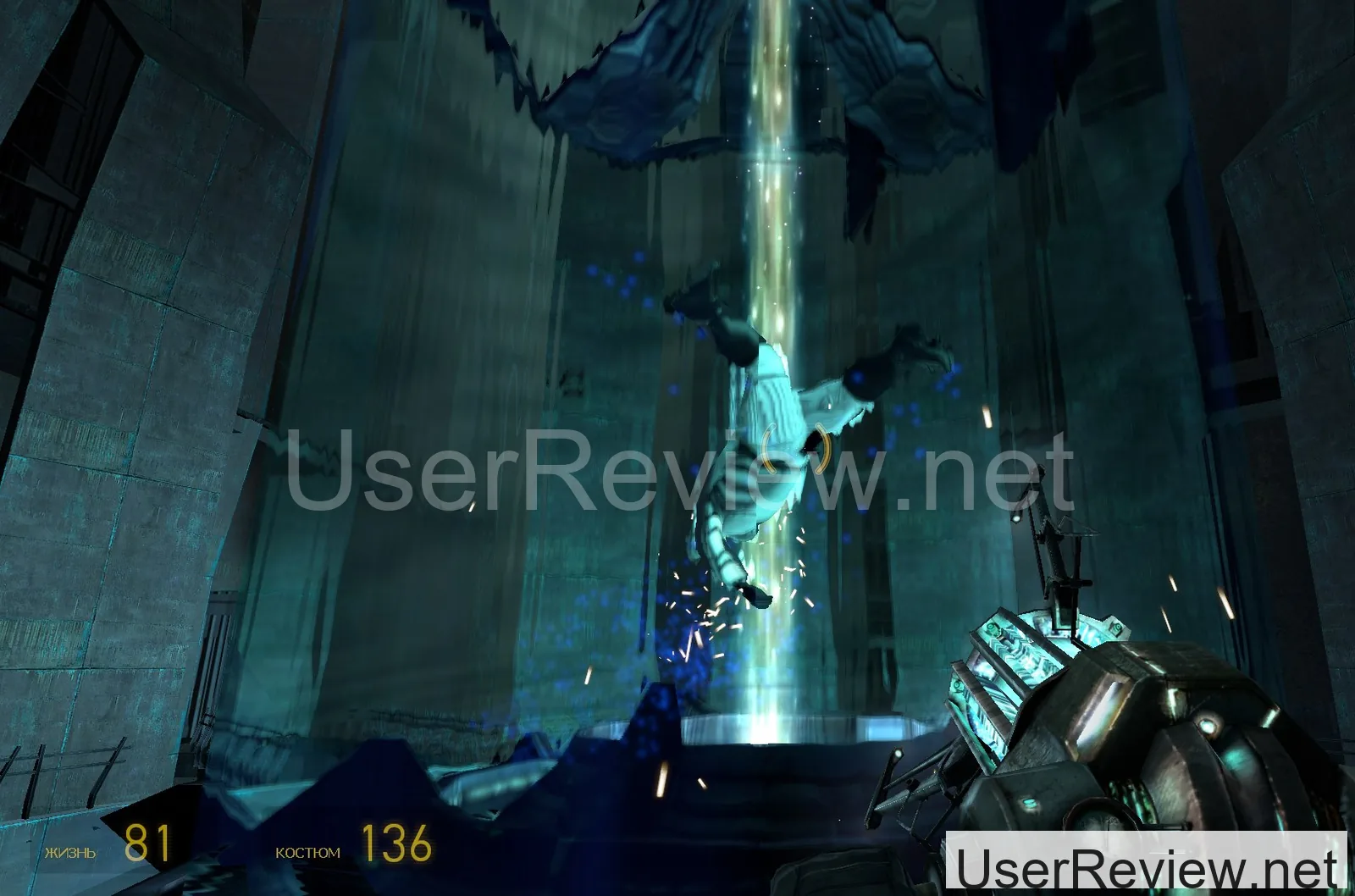
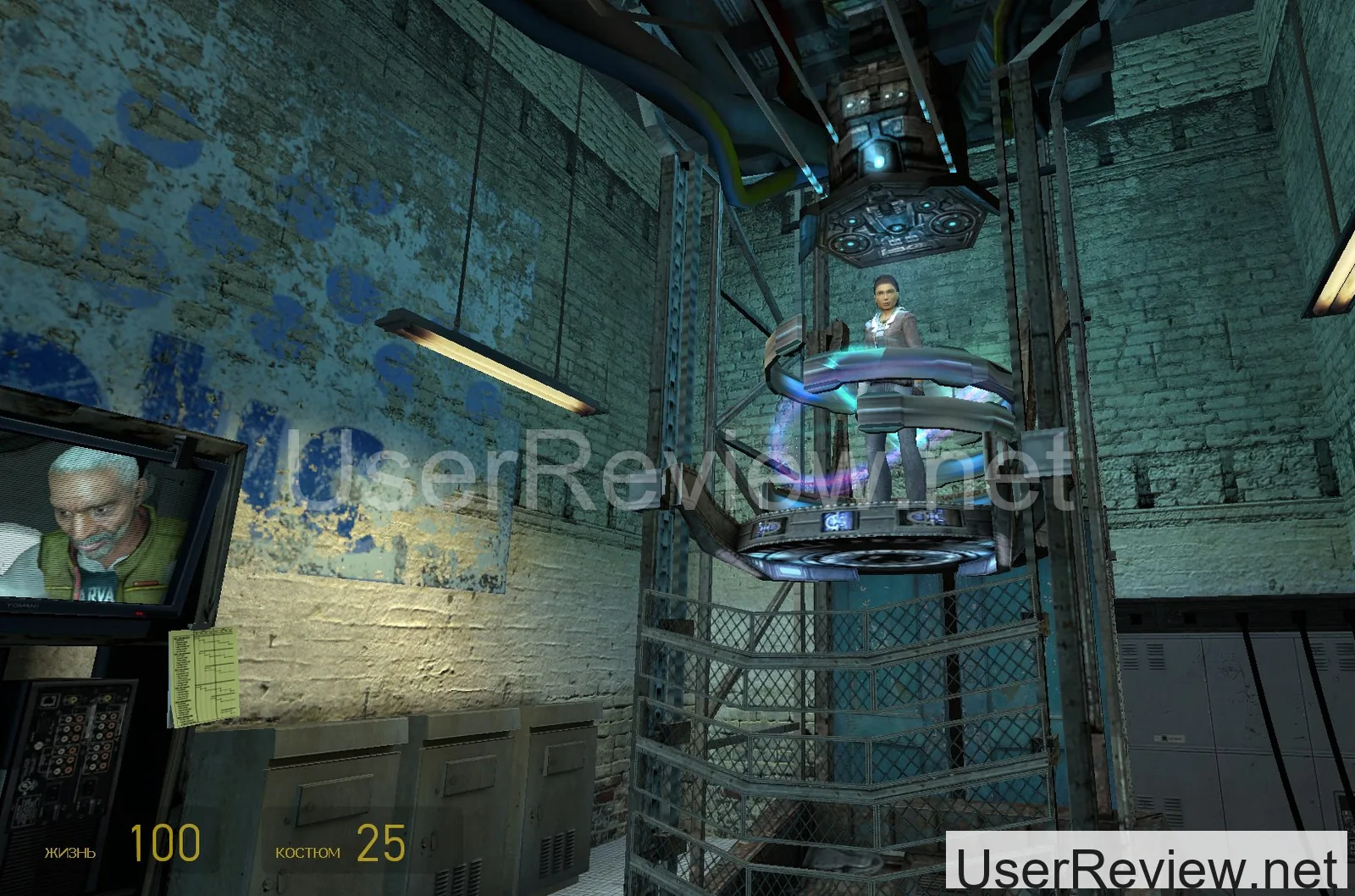
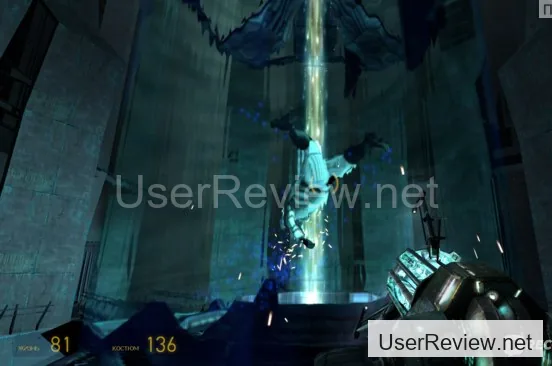
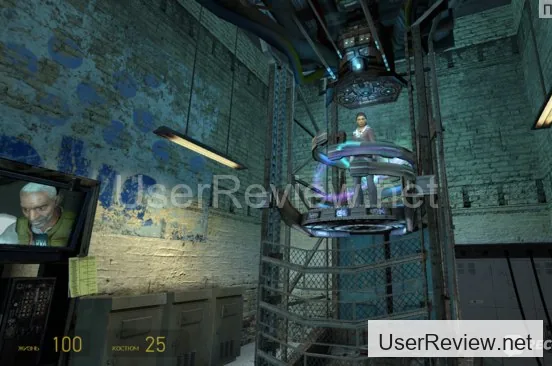
The teleportation process is shown in all its glory, not just a quick 'teleport in, teleport out' like in most games back then. It's a real game-changer.
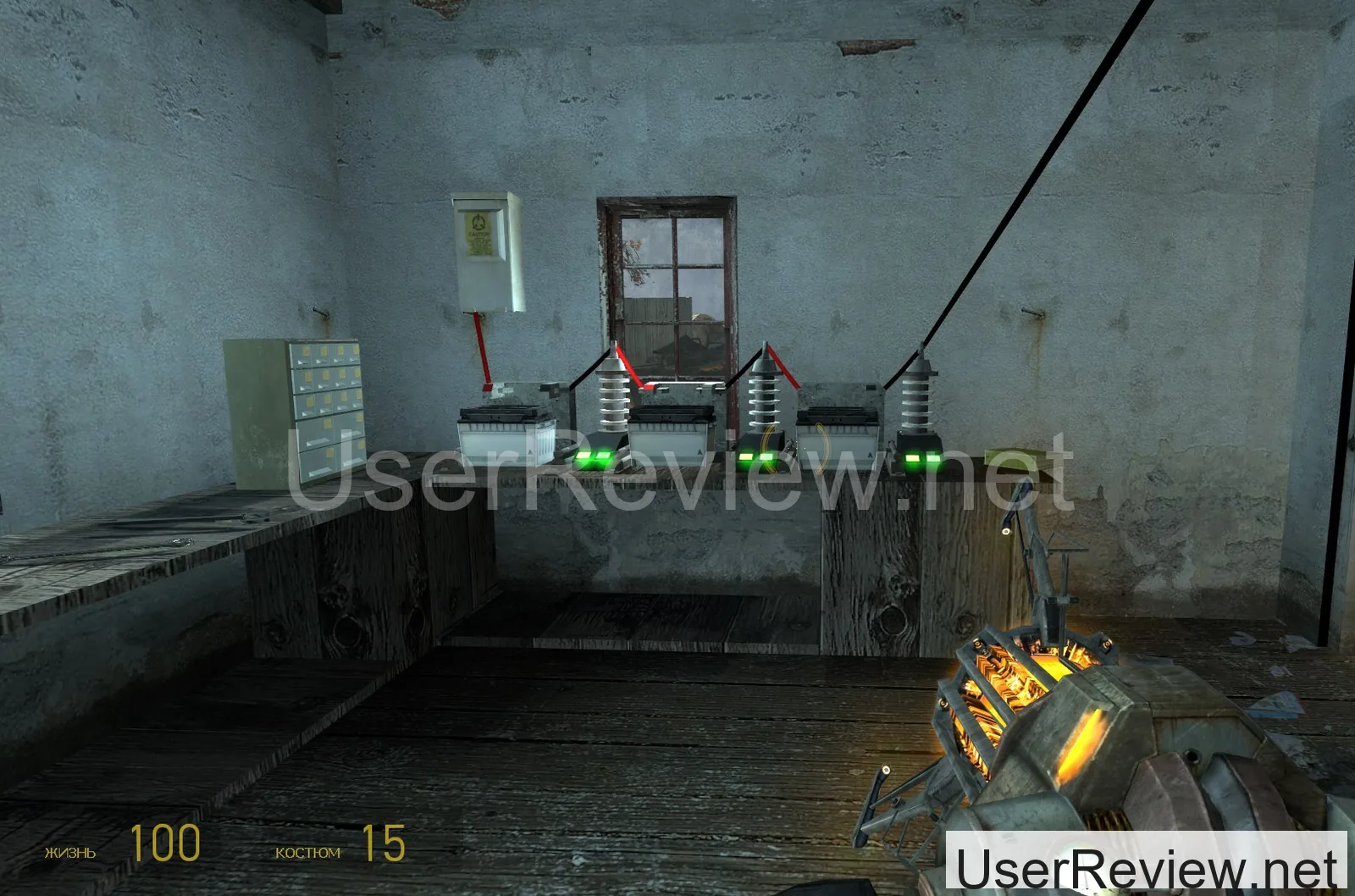
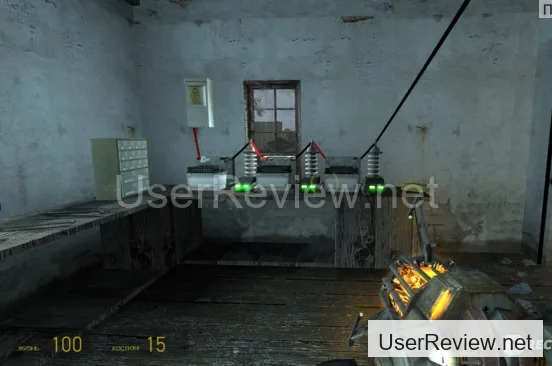
Even a simple puzzle like setting up batteries to unlock the gate on the road is a great touch. It's those little details that make the game so immersive.
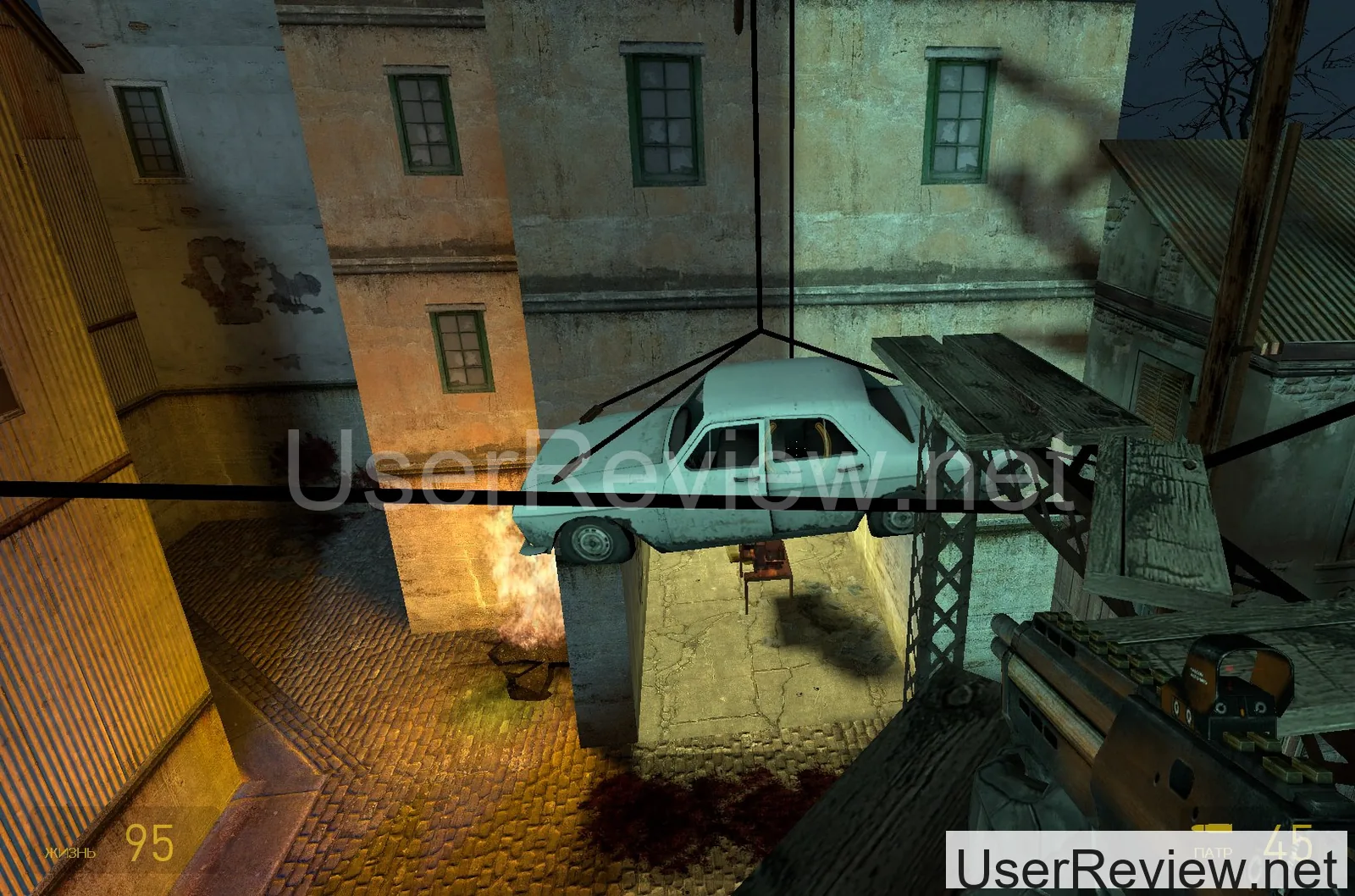
Falling machines are zombie traps. It's a clever way to take out the undead.
I've gotta say, the Havok physics engine does a killer job of tackling those pesky object property issues. Like, remember when you're trying to get those floating barrels to roll into the ramp, and then they launch the trampoline for the hovercraft? It's like magic.
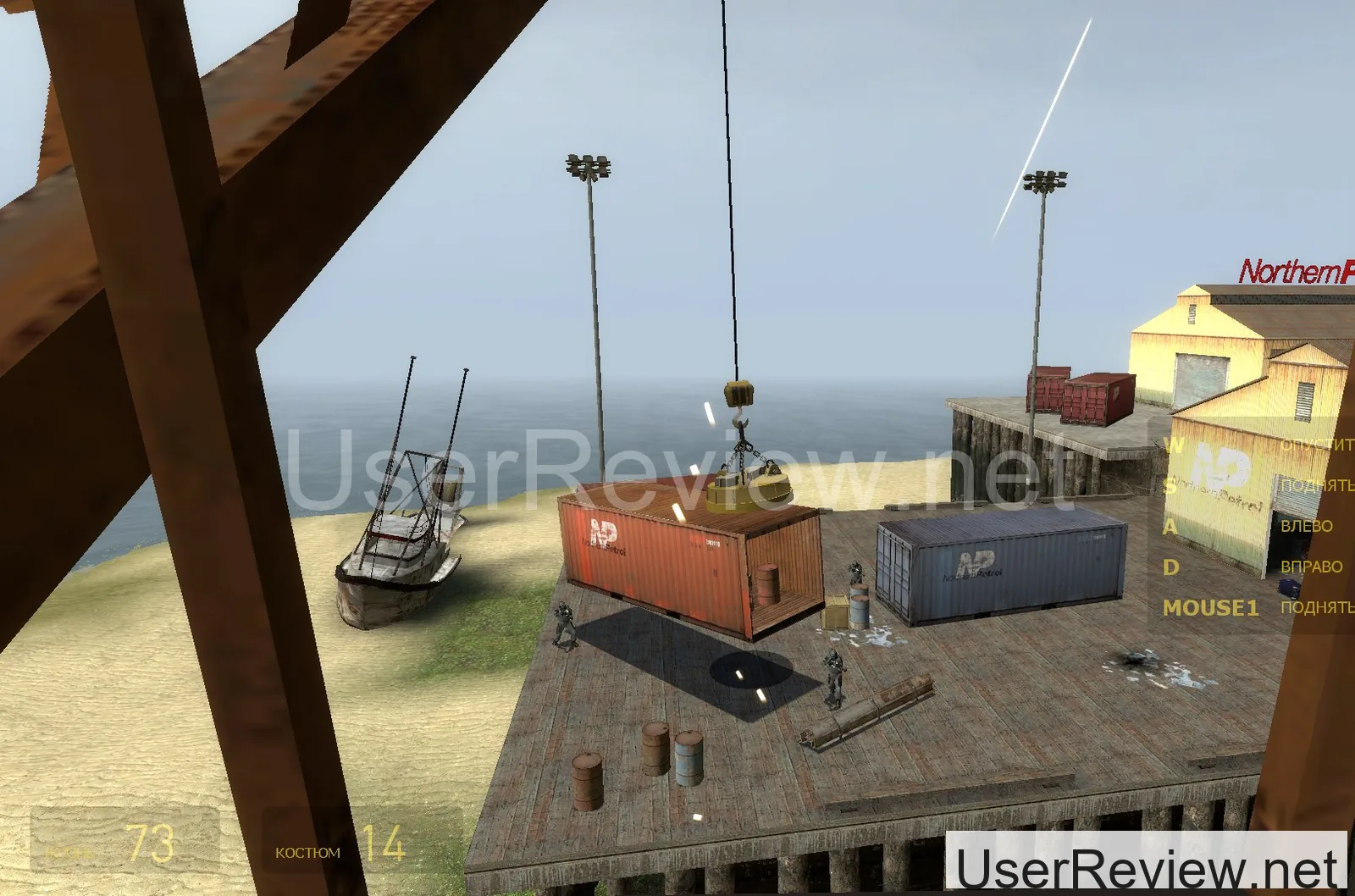
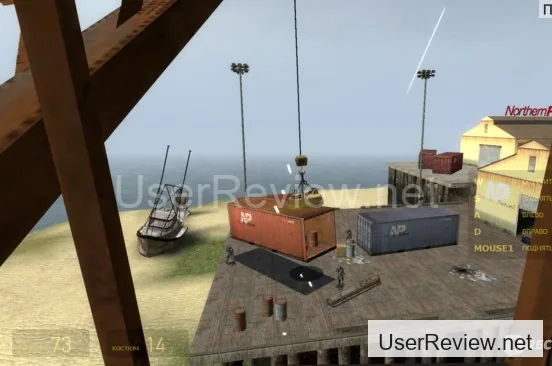
The crane becomes a total game-changer, taking out enemies with a single container hit - it's insane!
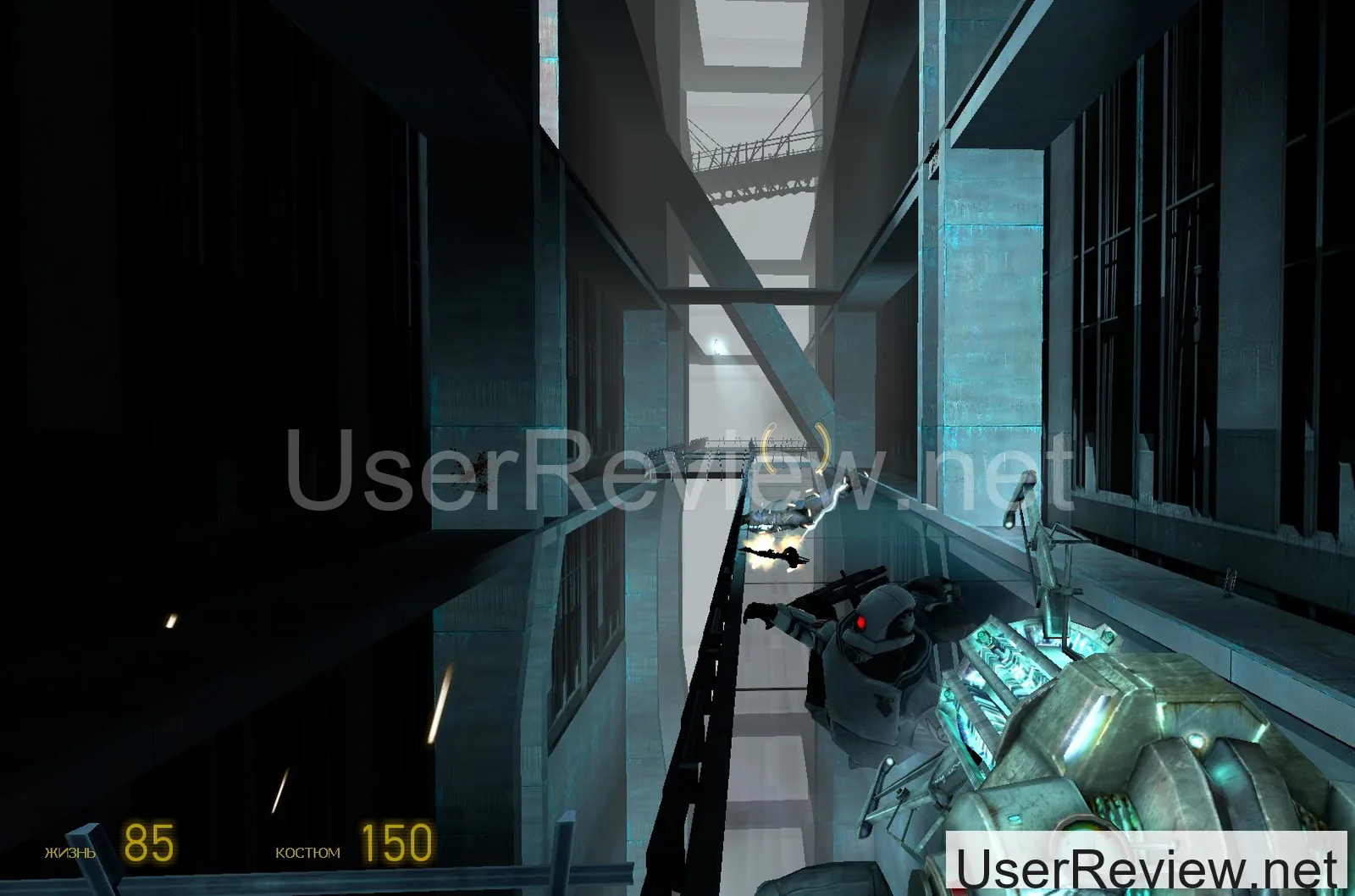
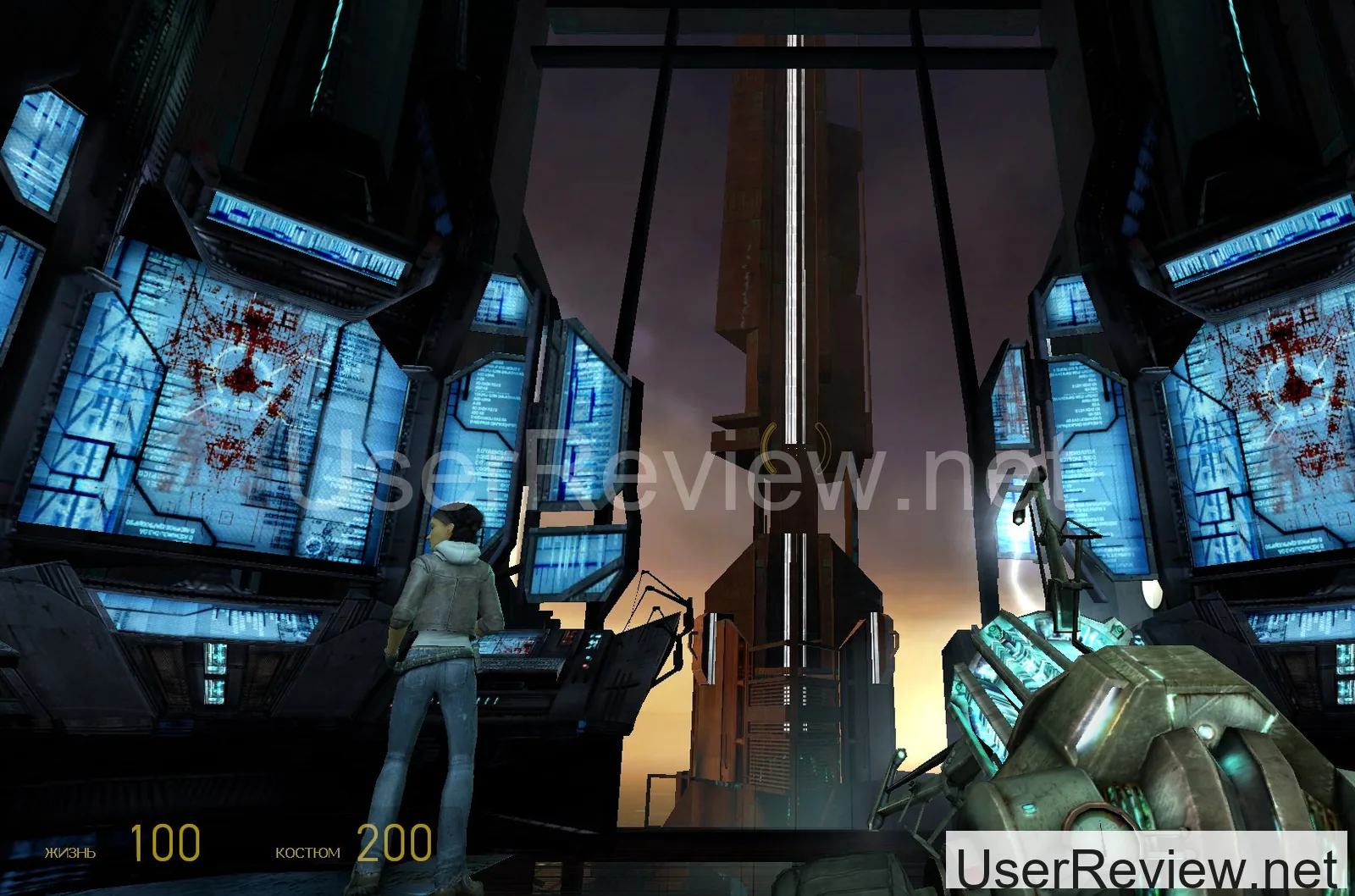
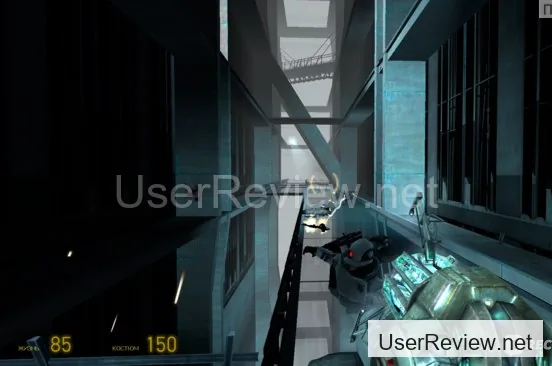
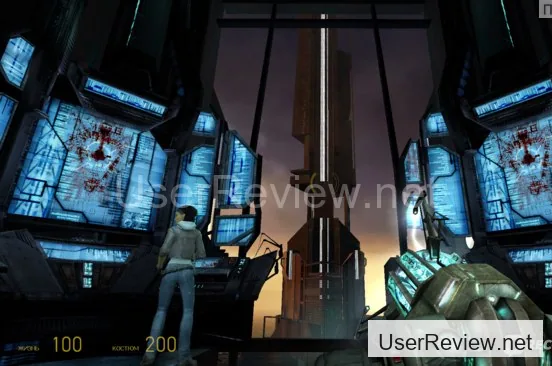
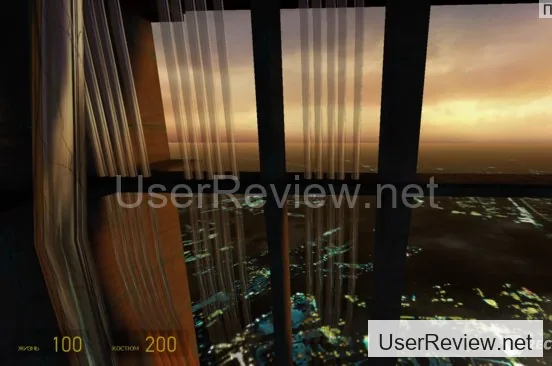
The Citadel's equipment looks like it's straight out of a cyberpunk movie - I mean, Brin's teleporter is just a few seconds away from getting destroyed, and I'm on the edge of my seat!
WHAT'S NOT SO HOT?
One of the main selling points of Half-Life was supposed to be improved facial animation. I mean, the program takes into account the position of 34 points that control the character's expression - that's some serious tech. But, unfortunately, Alyx Vance's facial expressions look super weird. It's like a rubber mask that's been stretched too far - I'm not a fan. The best facial animations are on Brin, Barney, Kleiner, and Eli, but Alyx looks like a puppet. Even the regular NPCs express more emotions than she does. But, hey, her body animation is top-notch. Remember how she climbs up the downspout like a cat, takes down a few enemies, and runs to open doors? That's some next-level realism. Gordon Freeman, on the other hand, got the short end of the stick. When he's driving the buggy, you can't see his legs - just empty pedals. Nobody's holding onto the hovercraft or buggy for dear life. If Half-Life 1 had a third-person view option, you'd need to create custom mods to get Gordon to look human in HL2.
Alyx's face looks better in stills than in motion - it's a shame, really.
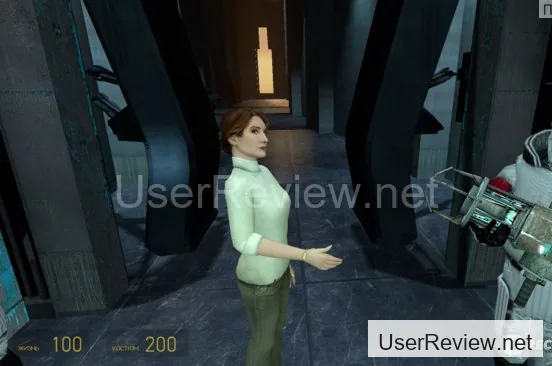
Now check out Brin, Judith, and Eli - you don't need words to understand their emotions, they're that good!
There are some rough edges on the map, though. Check out that turn on the road - the lighting and shadows are actually pretty well done, if you ask me.
I've had my fair share of frustrating moments with the Strider, like when it just decides to walk back and forth, refusing to blast through the wall I need to get past. I've had to reload from the last save in the tunnel and climb back up to the roof. But honestly, these little hiccups don't take away from the sheer scope of the game.
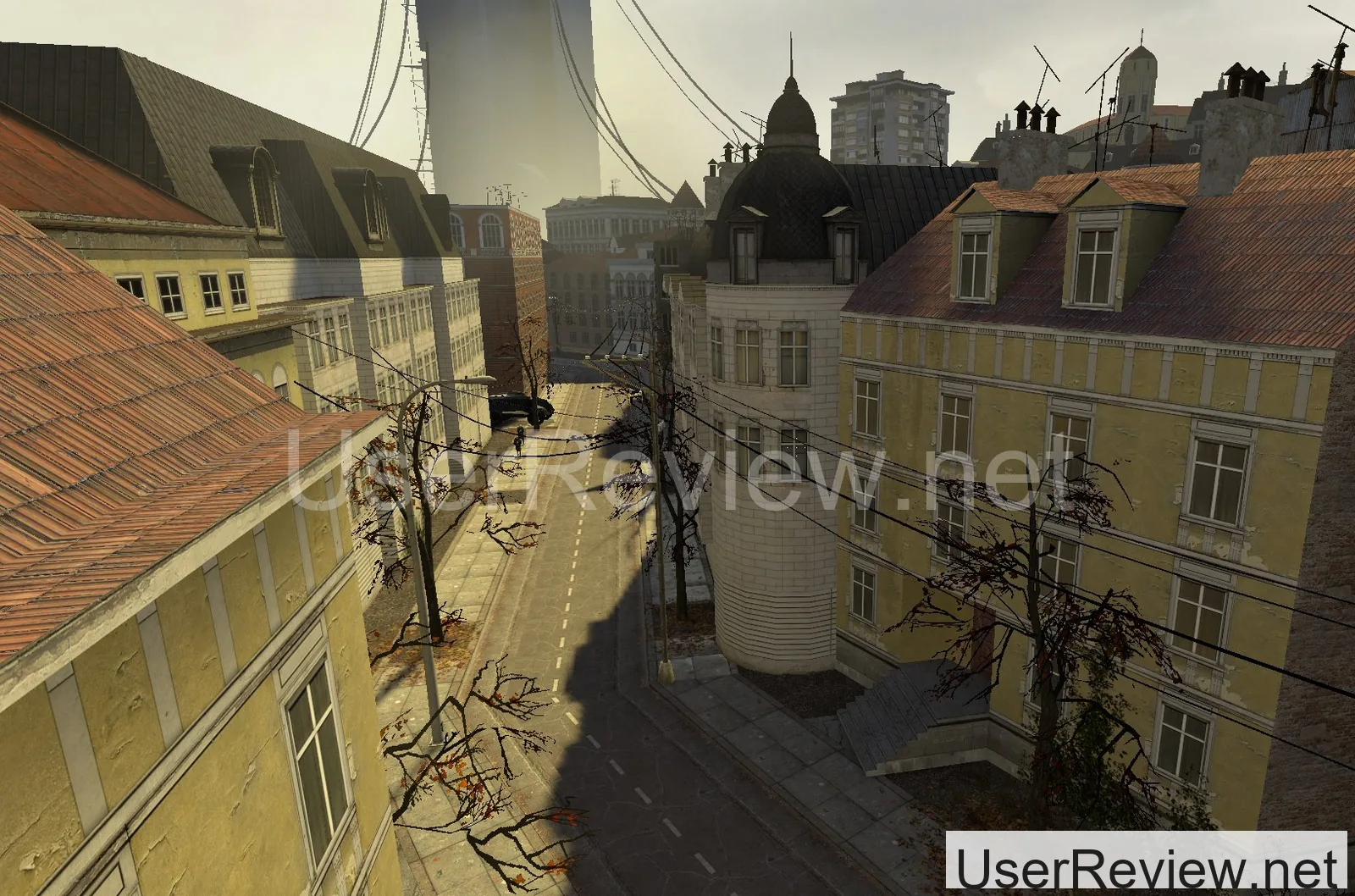
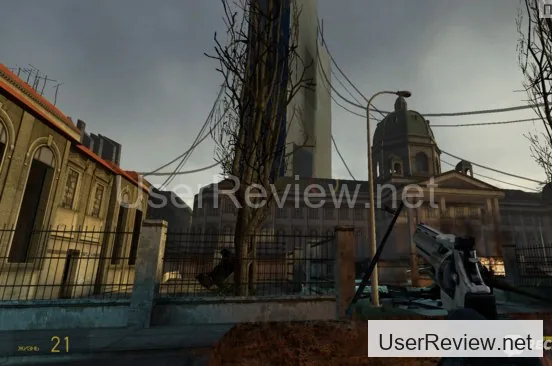
City 17 from a distance
FRIDAY, FREEMAN, MUST LIVE! That's what you get with a game like Half-Life 2 – it's a whole era, not just a game. And this year, it's celebrating its 20th anniversary.
The game's still getting updates and new content. Even after the release of the second part, Gordon Freeman's popularity only grew. The developers have done a great job of tying together old and new characters with a cohesive story, making it still fun to play through the original, Blue Shift, HL2, and the Episodes. I've played all the games in the series, and I still recommend them. Half-Life 2 gets a perfect score from me!
My review of the first Half-Life